

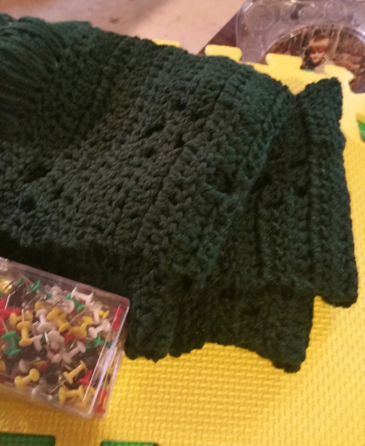
Meandering Paw Prints Scarf
This was a guest post, some years back and some of you who toured around guest blogs with me might
This was a guest post, some years back and some of you who toured around guest blogs with me might

Let’s talk about something that makes indie authors break into a cold sweat: cutting subscribers from your email list.
You built this list from the ground up. Every name on it represents hard-won sign-ups, countless freebies, maybe even ad spend. And now, after all that effort, you’re supposed to… delete them?
Yeah. You are.
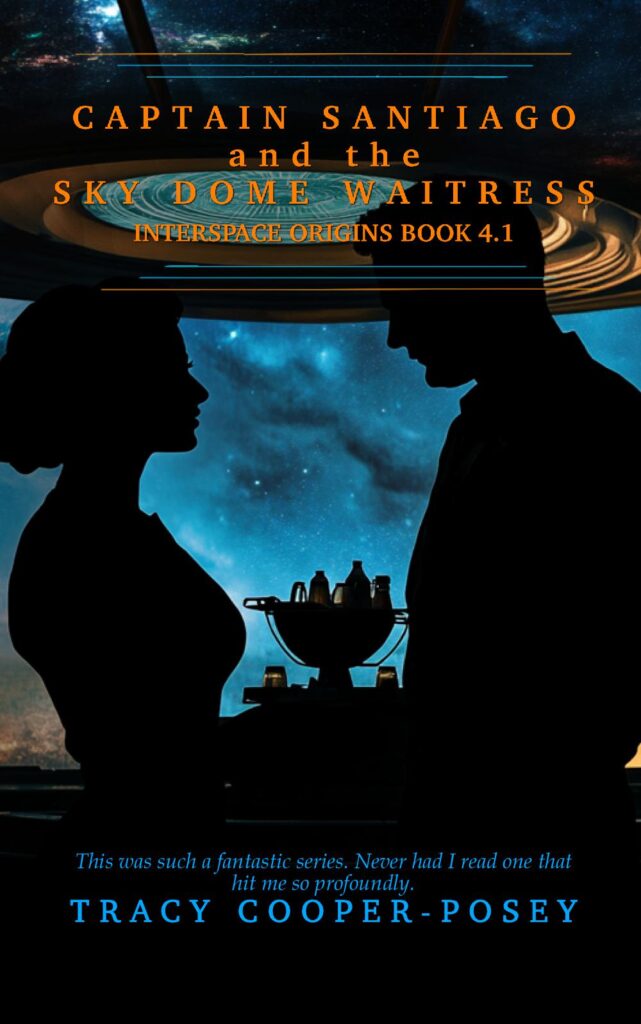
SRP author Tracy Cooper-Posey today released a fourth book in her award-winning Interspace Origins science fiction romance series. He thought

from SRP author Tracy Cooper-Posey: Have you ever watched a romance movie based on a book you loved only to leave the

From The Productive Indie Fiction Writer: Let’s talk about a topic that’s been making the rounds lately: the idea that

Ah, the dreaded 3 a.m. wake-up. You know the drill. You’re drifting in and out of sleep, and suddenly, your brain decides now’s the perfect time to replay that awkward email you sent at work. Or it spins a delightful doomsday scenario about how your project will implode, your reputation will be ruined, and your cat will somehow suffer terrible consequences.

In light of recent allegations against Neil Gaiman, I find myself grappling with the complex relationship between an author’s personal conduct and their creative work.

Not all dashes are created equal, and if you’re preparing a manuscript for publication, it’s important to know your en-dashes from your em-dashes, and why the dash you use in your manuscript may not be the one that shows up in your final book.

20 inspiring writing quotes.

From SRP author Tracy Cooper-Posey: This is Part Eleven and the final post of a series: Part 1: Kobo Part