

The Scandalous Sirens Omnibus Is Here
The complete Scandalous Sirens trilogy is here in one gorgeous collection—available as an ebook, in print, and as a spectacular premium hardcover edition.
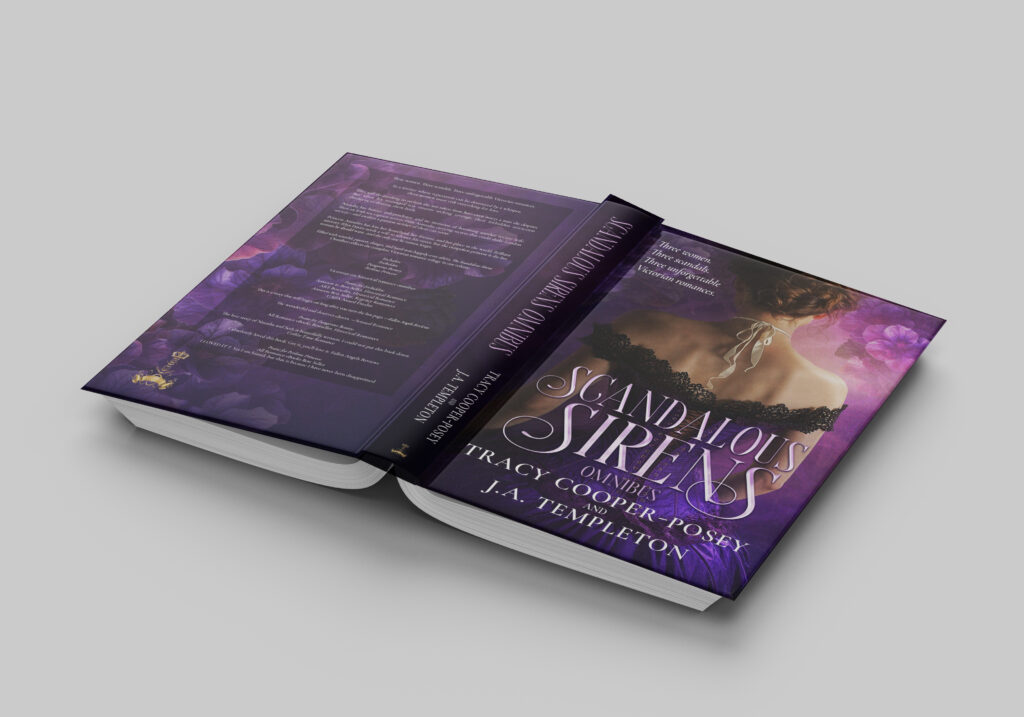
The complete Scandalous Sirens trilogy is here in one gorgeous collection—available as an ebook, in print, and as a spectacular premium hardcover edition.
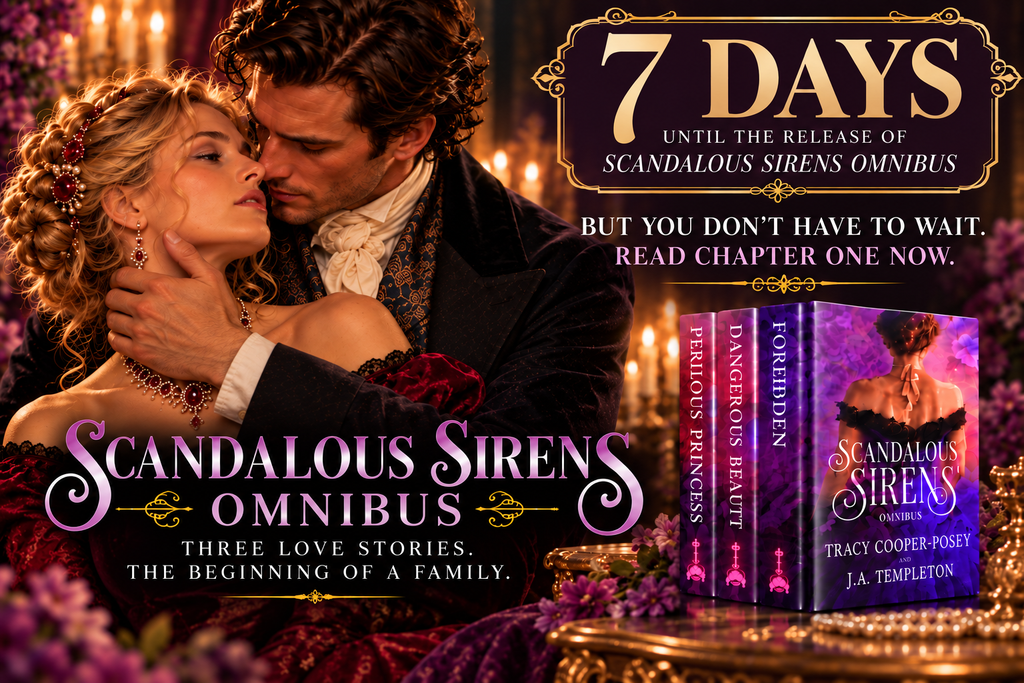
The Scandalous Sirens Omnibus is one week away—but you don’t have to wait to start reading. Meet Elisa in Chapter One of Forbidden, the novel that began three Victorian romances and a much larger family saga.
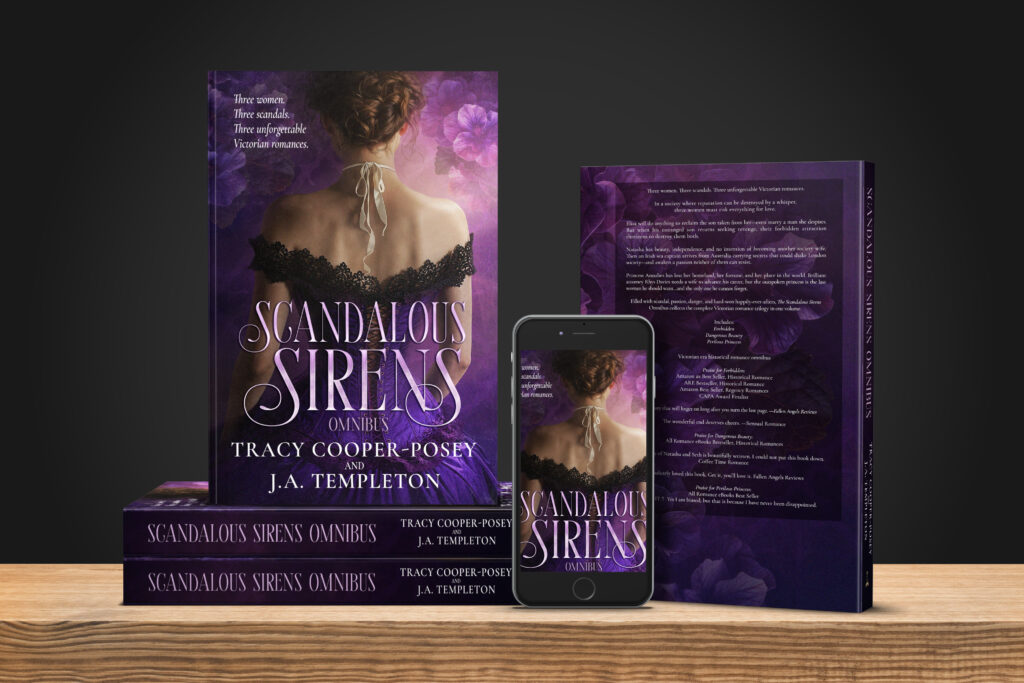
Three Victorian women. Three very different love stories. But somewhere along the way, Elisa, Natasha and Annalies became something more: sisters. And the family they created would go on to become the foundation of the Scandalous Scions series.
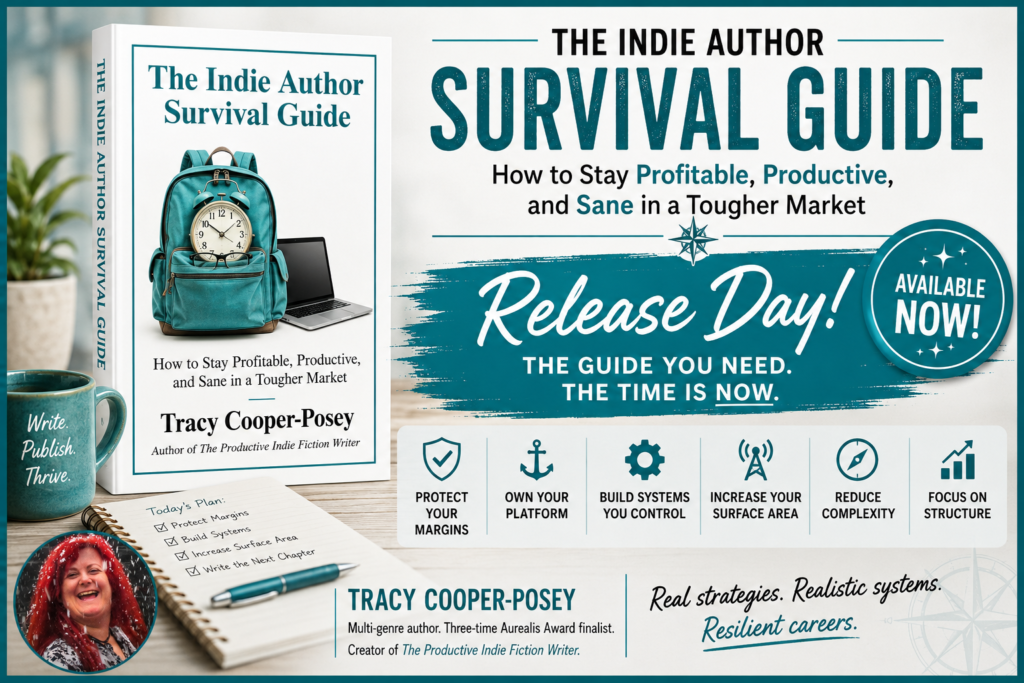
The Indie Author Survival Guide by Tracy Cooper-Posey is out now—a practical guide to building a profitable, productive, resilient writing career in a tougher publishing market.

History has a habit of changing its mind. Japan’s women warriors were long known in English as onna-bugeisha, but historians increasingly use the more accurate term onna-musha—women who actually fought. Discover the remarkable story of Nakano Takeko, the fearless warrior who led a band of women into one of the final battles of the samurai era, and learn how a simple change in terminology reflects a deeper understanding of Japan’s past.
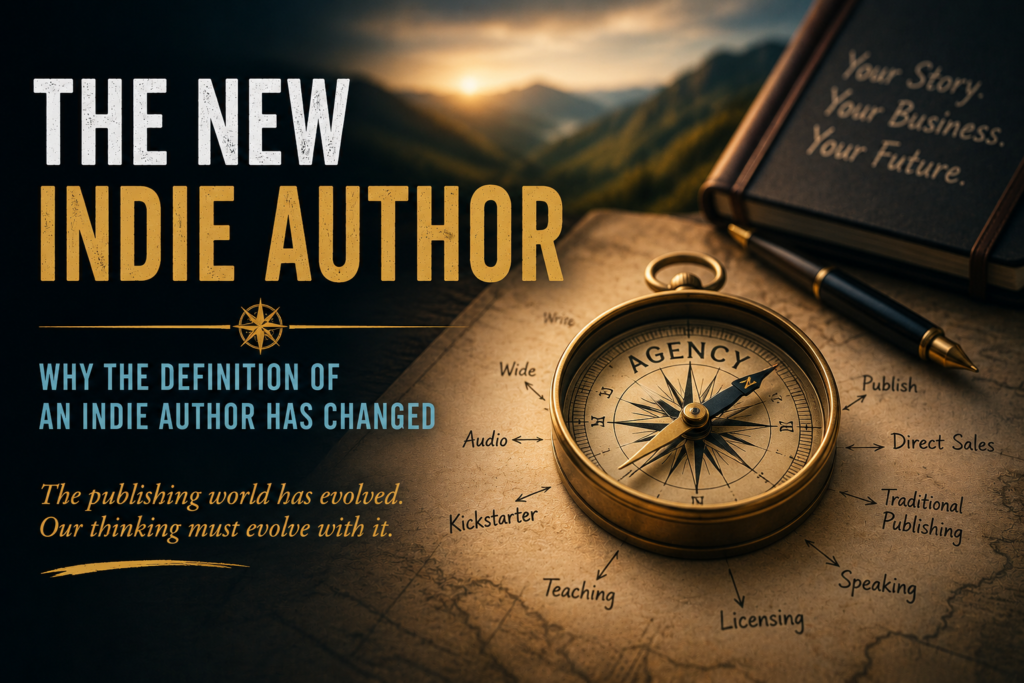
What if the definition of an indie author hasn’t kept pace with the publishing industry? The principles that built the indie revolution still matter—but the world around them has changed dramatically. It’s time to rethink what independence really means in today’s publishing landscape.
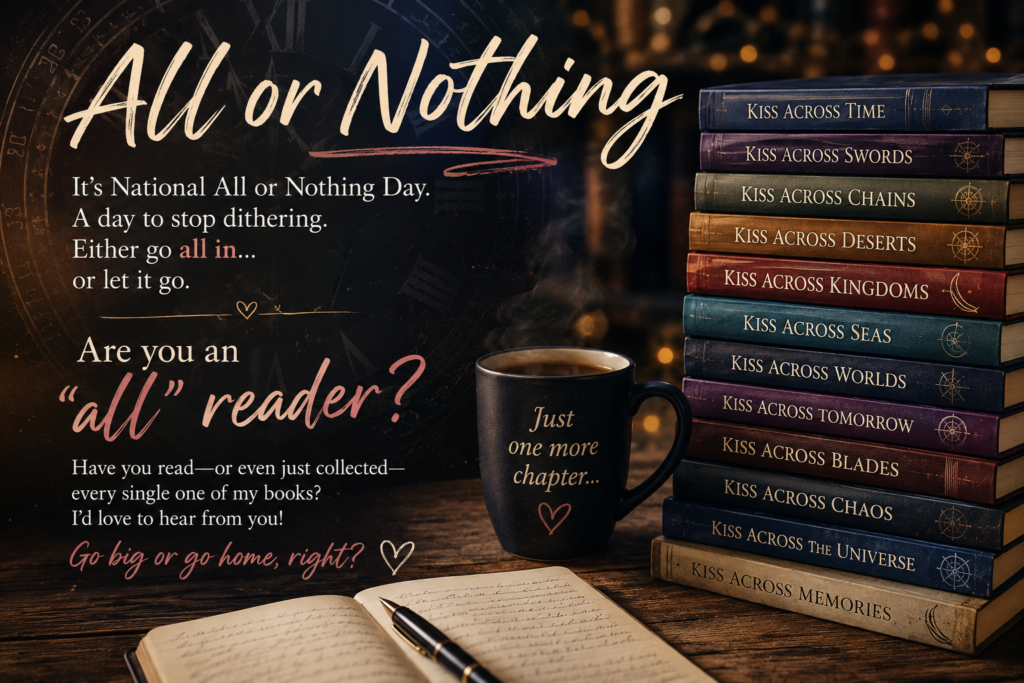
What does “All or Nothing” mean to you? For me, it sparked an unexpected question: has anyone actually read every single one of my books? With more than 200 titles across multiple pen names, I’m curious to know if there are any complete collectors out there. If that’s you—or you’re getting close—I’d love to hear from you.

Solar Sail Theory isn’t about finding stronger sources of momentum. It’s about becoming better at capturing thousands of weak sources of momentum that already exist.
One newsletter subscriber won’t change your life. One podcast appearance won’t transform your business. One new reader or conference conversation or bookstore event won’t either.
Individually, they’re almost insignificant.
That’s why the sail is enormous.
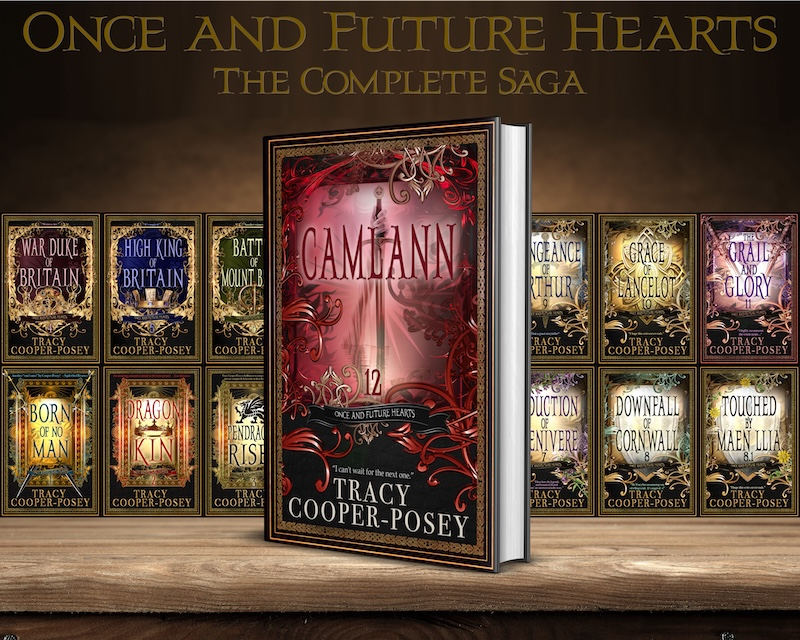
After twelve novels and a novella, the journey comes to its conclusion. Camlann, the final novel in Tracy Cooper-Posey’s acclaimed Once and Future Hearts series, is now available from Stories Rule Press and all major retailers.

Hollywood saw a beautiful woman. Hedy Lamarr was also an inventor whose wartime work helped point the way toward modern wireless communications. Her history is far more fascinating than the movie-star image suggests.