

The Hero, the Parawolf, and Nowhere to Sleep
Danny Hammer has survived wars, death and political upheaval. But now she’s broke, homeless, and her hungry parawolf has priorities of her own.

Danny Hammer has survived wars, death and political upheaval. But now she’s broke, homeless, and her hungry parawolf has priorities of her own.
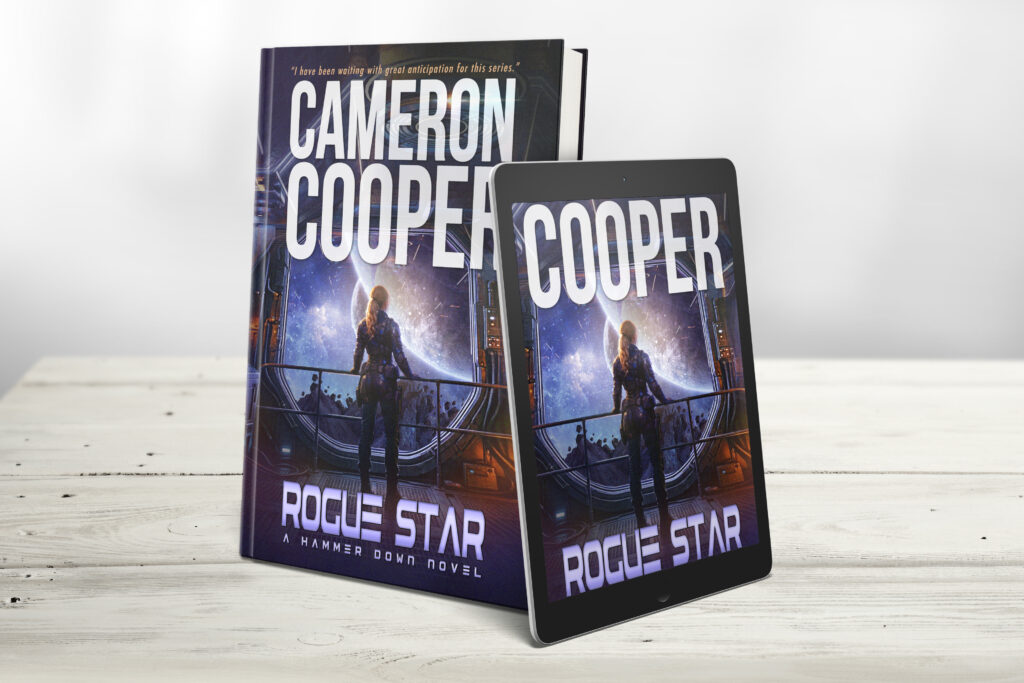
Danny Andela has spent decades being the person who spots trouble before everyone else. But what happens when no one believes her—and she can no longer entirely trust herself? ROGUE STAR, Book 2.0 of Hammer Down, is now available for preorder.
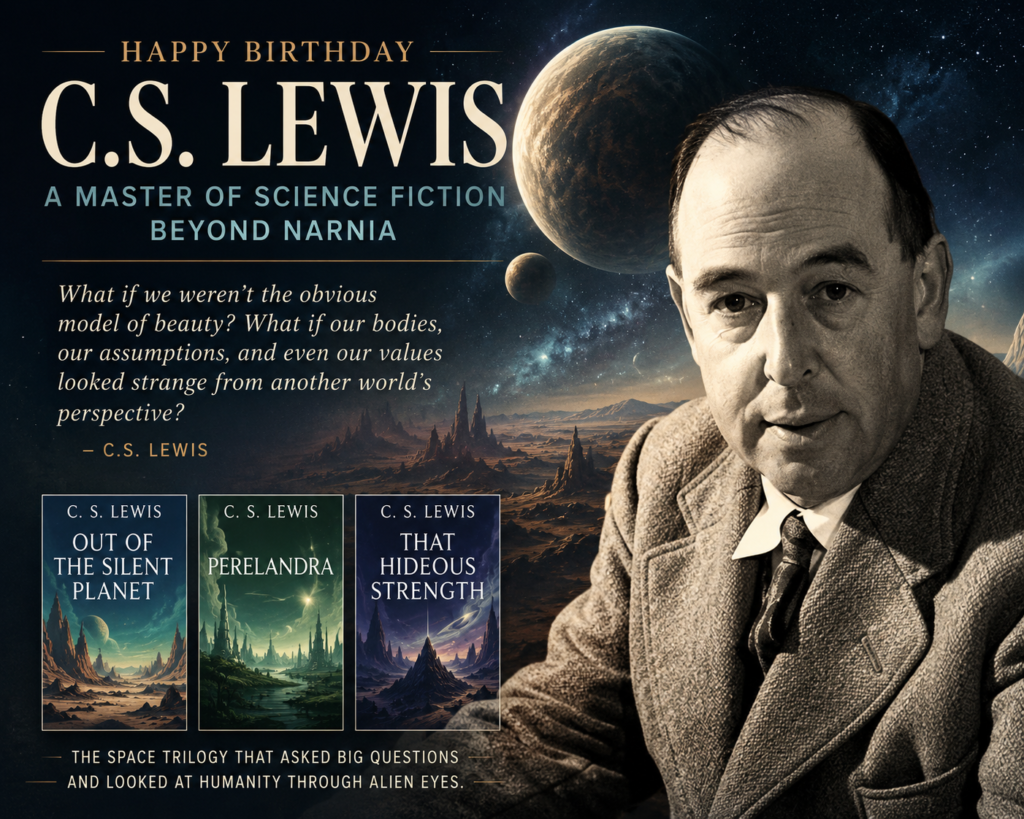
Most readers remember C.S. Lewis for The Chronicles of Narnia. I remember him for his science fiction. On his birthday, I’m looking back at the Space Trilogy and the remarkable way Lewis used speculative fiction not to predict the future, but to challenge how we see ourselves—and humanity’s place in the universe.
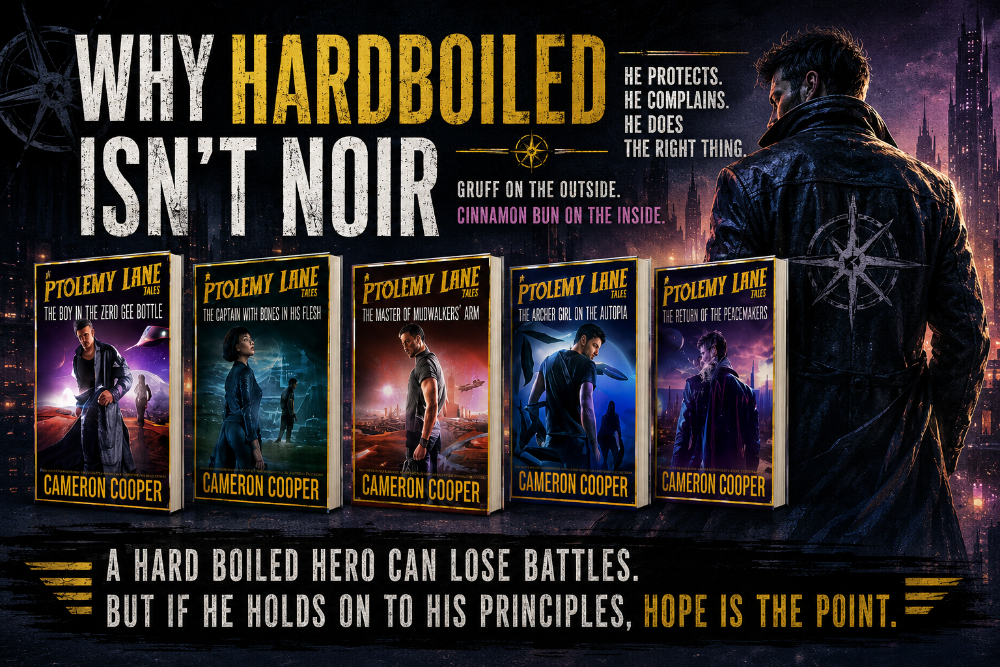
I finished S.J. Morden’s One Way and immediately bought the sequel—not because I liked the protagonist, but because I had to know what happened next. It also reminded me that hardboiled and noir aren’t the same thing, and why that distinction explains Ptolemy Lane far better than I ever realized while writing him.

Kevin Kelly’s latest essay introduced me to a concept I hadn’t quite considered before: the “exoself.” Not a humanoid robot, but an AI that becomes an extension of our own minds through memory, context, and continuity. The more I thought about it, the more I realized we may already be taking the first steps toward that future—one useful conversation at a time.
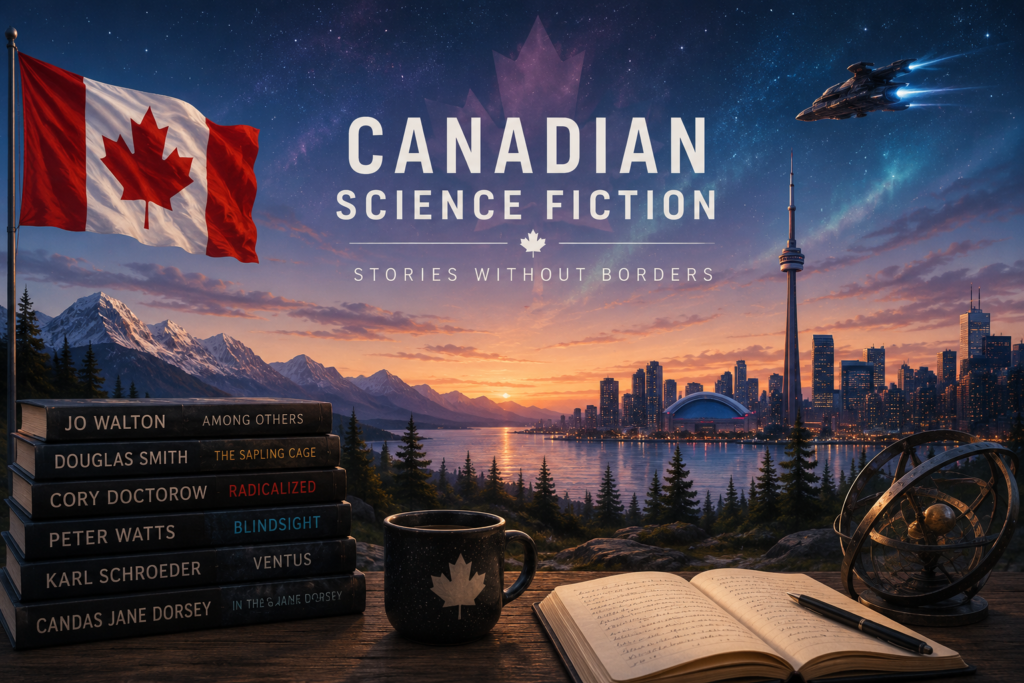
Canada Day always reminds me how many of my favourite science fiction writers turn out to be Canadian. From celebrated authors to passionate fandom and the Aurora Awards, Canada has quietly made an outsized contribution to speculative fiction—and it’s a legacy I’m proud to be part of.
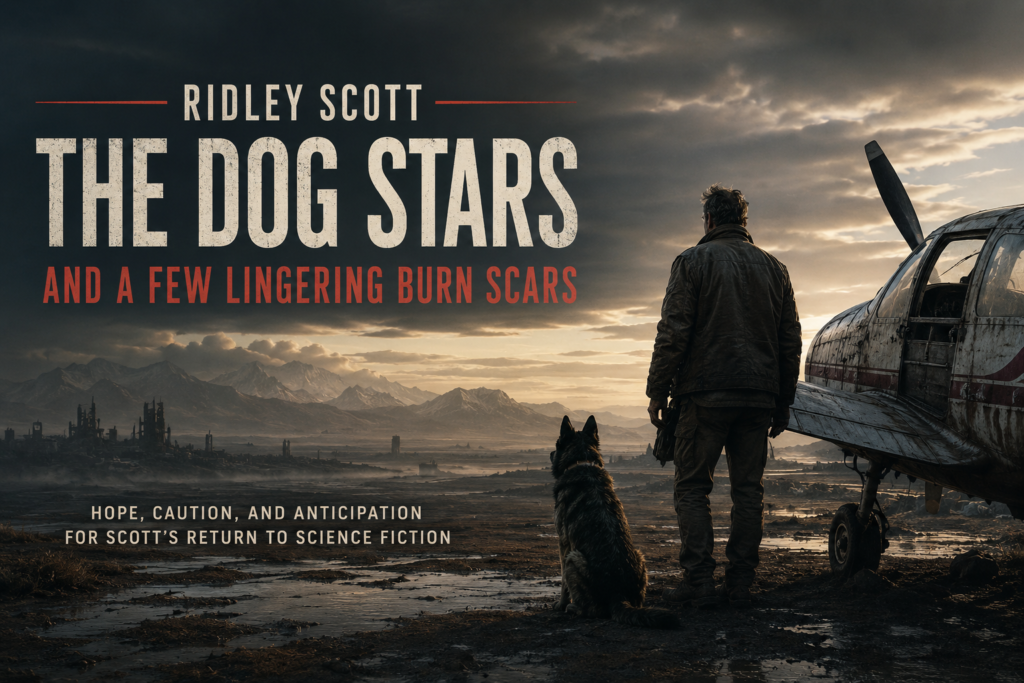
Ridley Scott is one of those directors whose films automatically move to the top of my watch list. But after the disappointment of Gladiator II, I’m approaching his return to science fiction with a little more caution than usual. Based on the trailer for The Dog Stars, though, there are plenty of reasons for optimism—from its apparent focus on human relationships to Scott’s long history of creating unforgettable science fiction worlds.
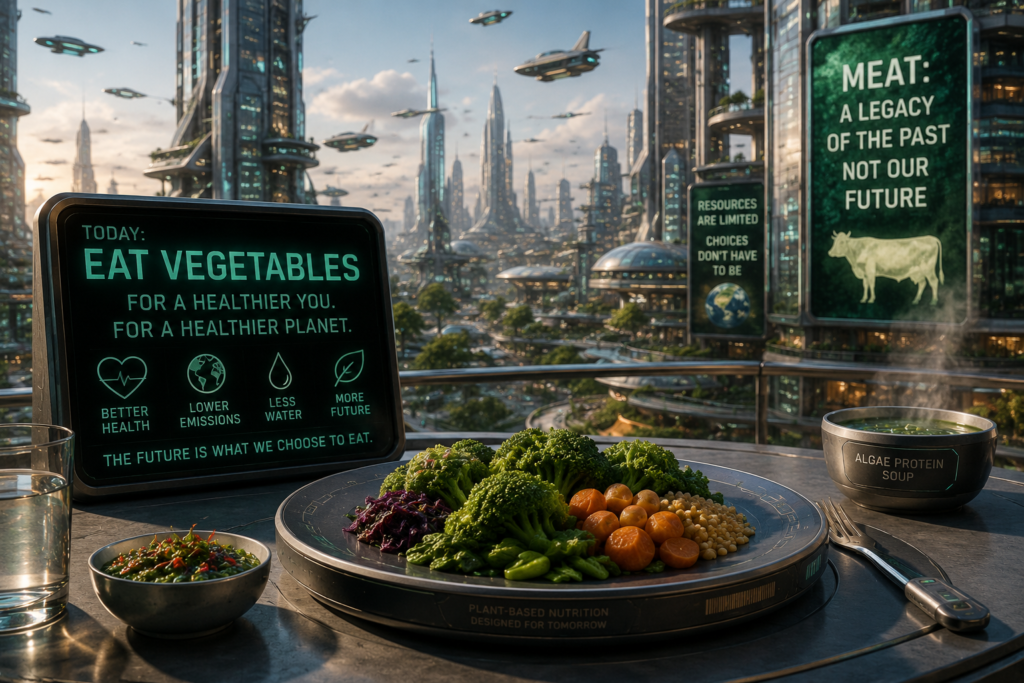
National Eat Vegetables Day may seem like an unlikely inspiration for a science fiction discussion, but current debates about meat consumption raise fascinating questions about the future. As health concerns, environmental pressures, and changing social attitudes converge, SF readers are uniquely positioned to ask where these trends might lead. Will meat remain a permanent feature of human civilization, or will future generations view it as an outdated and unsustainable practice?
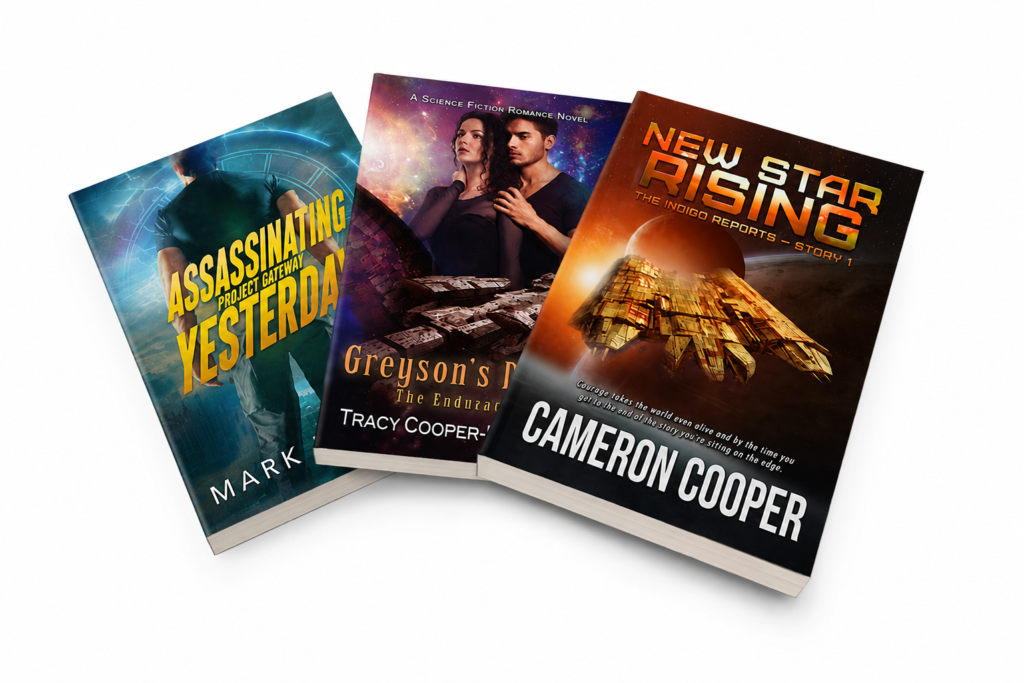
Every reader matters, no matter where they buy our books. But direct sales give independent publishers something special: the ability to invest more in new stories, create exclusive editions, and build stronger relationships with readers. Here’s why buying direct makes such a difference.
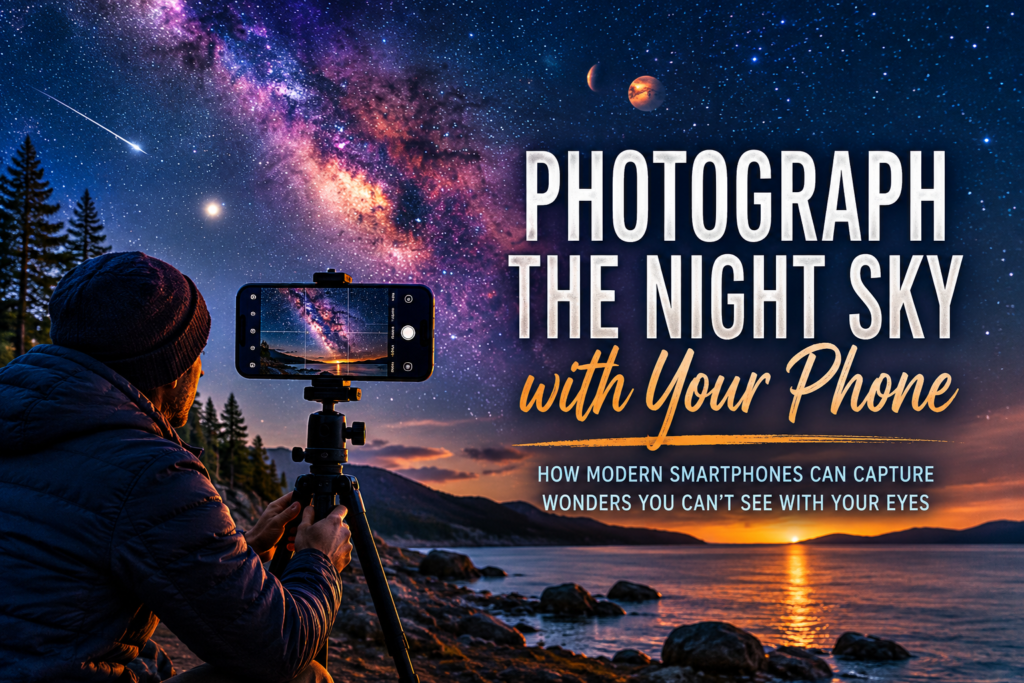
Modern smartphones have become surprisingly capable astronomy cameras, making it easier than ever to capture stars, planets, and even the Milky Way. But the real appeal isn’t the technology—it’s the experience of looking up at the night sky and connecting with the vast universe beyond our everyday concerns. For science fiction readers, photographing the cosmos can be a powerful reminder of why we look to the stars in the first place.