book editing

Your Editor Isn’t Waiting—And That’s a Good Thing

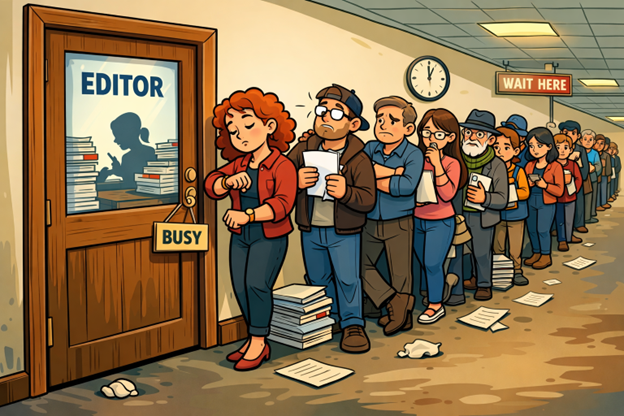
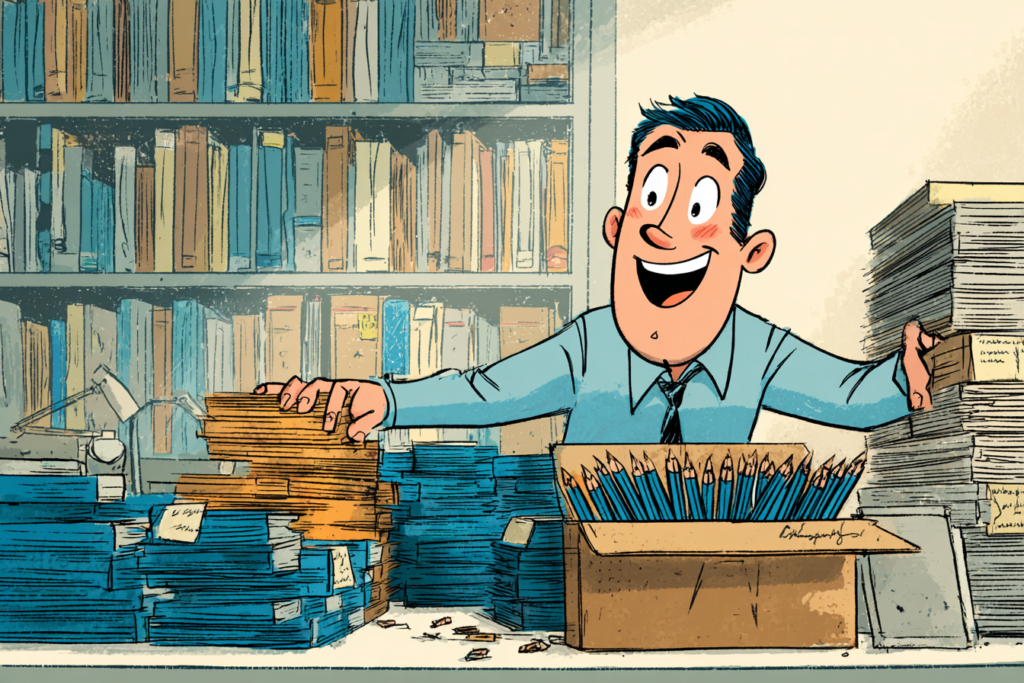
If you’re waiting until your manuscript is finished before thinking about editing, you’re already behind. Editors don’t work on demand—they book weeks or months in advance to give every project the attention it deserves. The writers who stay on track? They treat editing as part of their production pipeline, not the final step.

Why Most Manuscripts Fail in Chapter One

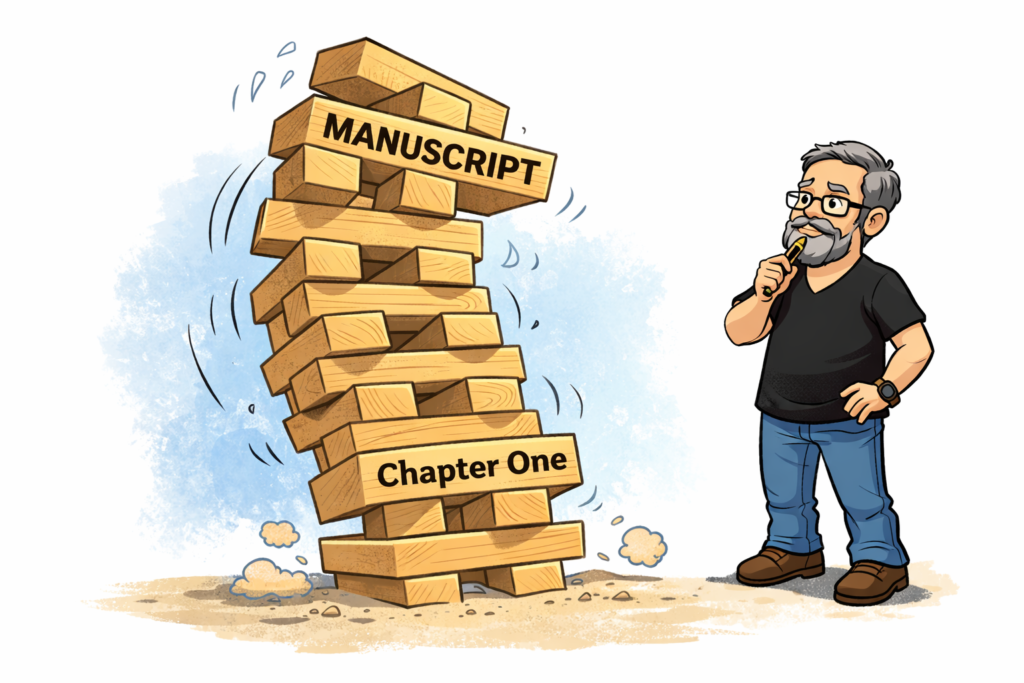
Most manuscripts don’t fail because the author lacks talent—they fail because Chapter One doesn’t do its job. Chapter One isn’t a warm-up, a weather report, or a backstory dump. It’s a promise to the reader about what kind of story they’re about to experience. If nothing is off-balance, nothing is at risk, and nothing is changing, the reader is left asking the most dangerous question in fiction: Why am I here?

Why Good Editing Feels Invisible

Good editing doesn’t draw attention to itself. When it works, readers never notice it at all — they simply fall into the story. Editing isn’t about rewriting an author’s voice or showing off clever fixes. It’s about removing the friction that causes readers to hesitate, lose momentum, or quietly stop turning pages.

Your Editor Can’t Fix This (And You’re Paying Them To Try)

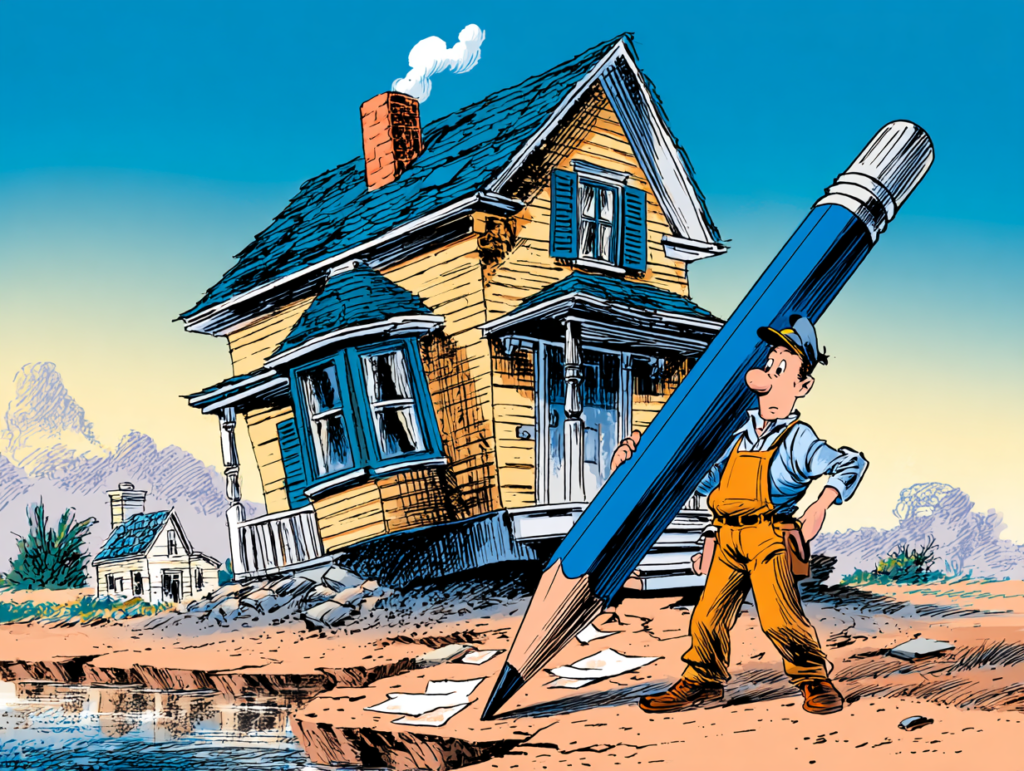
Writers sometimes send manuscripts to an editor hoping the edit will “make it work.” But when the foundation of the story is cracked — weak character arcs, passive scenes, or conflict happening offstage — no amount of line editing can fix it. Editing refines what already works; it doesn’t rebuild the structure. Knowing the difference can save writers money, frustration, and a lot of misplaced hope.

The Editing Queue Just Filled Up

As of this week, my editing calendar is booked into March.

If you’ve been thinking, “I should probably get a quote…” — this is your nudge. Editing queues don’t fill in tidy rows; they arrive in waves, overlap, and shift. And once the calendar is full, the only honest answer for new clients is: your start date will be later than you hoped.

Getting on the schedule early doesn’t obligate you. It simply protects your timeline — before a finished manuscript runs out of time to become a better one.

Editing King Arthur (Again): Notes From the Once and Future Hearts Trenches

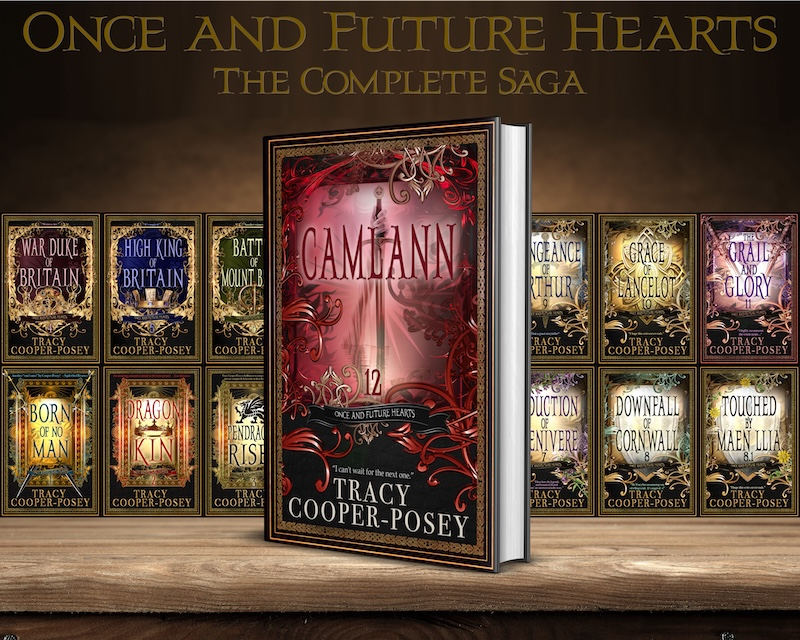
Editing a thirteen-book Arthurian saga isn’t for the faint of heart. Mark pulls back the curtain on his years in the trenches with Once and Future Hearts—from navigating character continuity and protecting authorial voice to the diplomatic art of asking, “Are you sure, Tracy?” as the finale, Camlann, heads into its early-release Kickstarter celebration.

Shopping Basket
Scroll to Top