
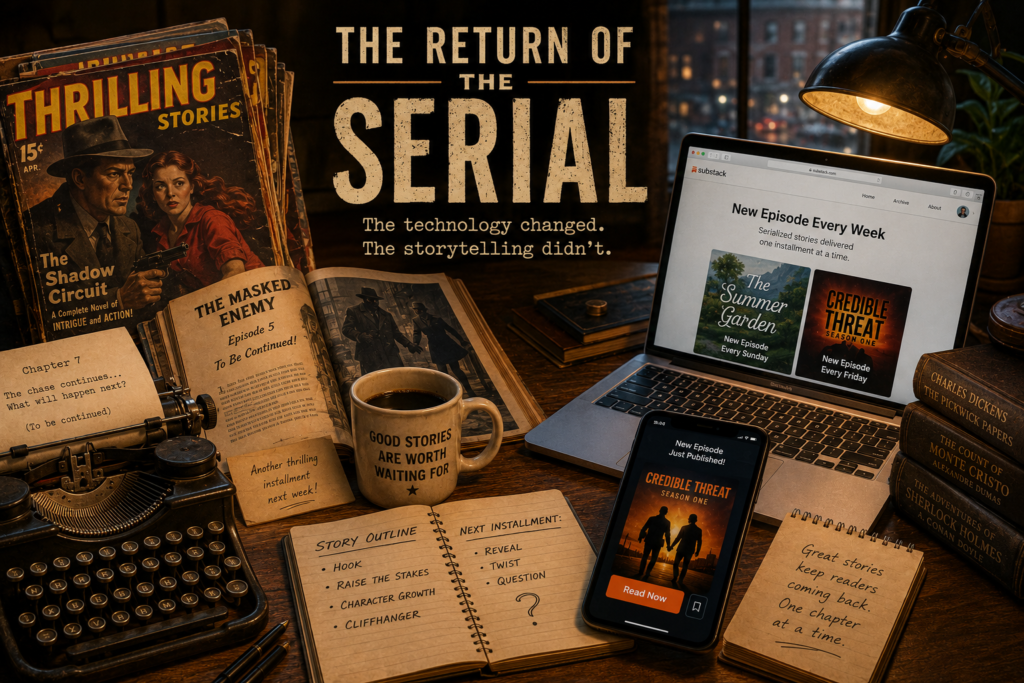
cliffhangers

What Serial Fiction Can Teach Writers

Most writers think of serial fiction as a publishing format. Mark Posey argues it is something even more valuable: a practical lesson in storytelling craft. Because every installment must earn a reader’s return, serial fiction exposes weaknesses in pacing, structure, and chapter endings that can hide inside a completed novel. The skills it teaches—curiosity, momentum, and reader engagement—strengthen every form of storytelling.
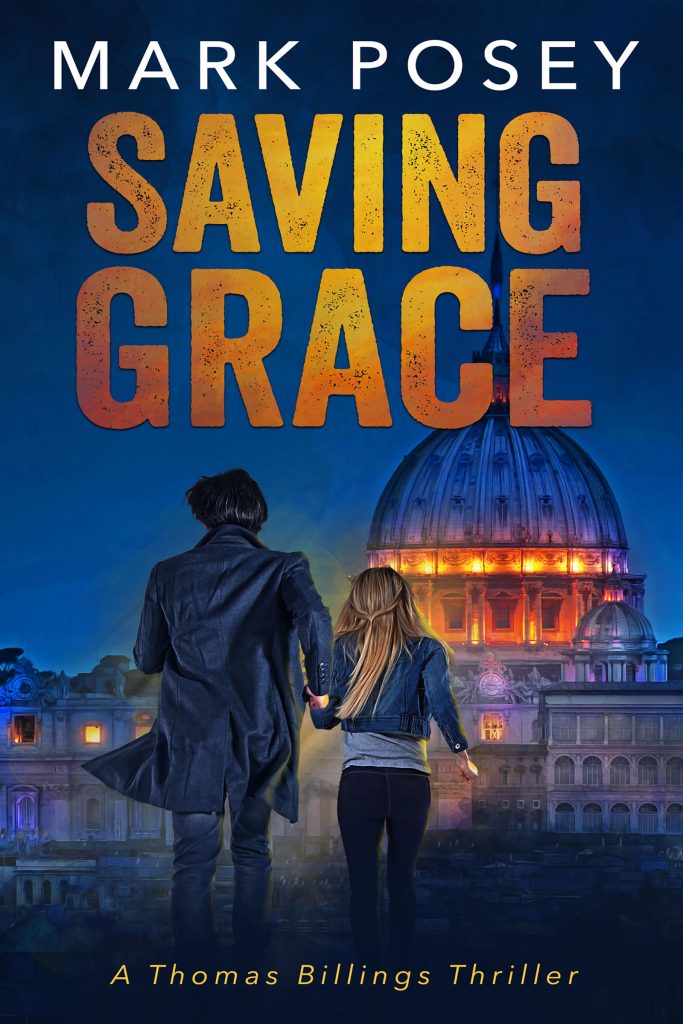

Sorry About the Lost Sleep

Ever sit down with a book thinking you’ll read just one chapter before bed… and suddenly it’s 2:03 a.m.? Mark Posey confesses why those “just one more chapter” moments are sometimes a little bit deliberate—and why writers secretly love hearing about them.

Cliffhangers

Readers don’t actually hate cliffhangers.
They hate being cheated.

What they’re reacting to isn’t tension or anticipation—it’s a broken promise. An ending that withholds resolution, slices a single story into artificial chunks, or stops mid-thought without delivering what the book itself set up isn’t a cliffhanger at all. It’s a contract breach.

A real cliffhanger resolves the story you promised to tell—and then opens the door to the next problem. It creates momentum, not confusion. When done right, the reader doesn’t feel tricked. They feel hooked.

Shopping Basket
Scroll to Top