Books Are Usually Better. Usually.
Books are usually better—at least, that’s the pattern Mark keeps coming back to after years of reading first and watching later. But every now and then, a film breaks the rule…
This weekend, Mark is trading the keyboard for lumber, screws, and soil as he builds twenty raised beds in the backyard. There’s a quiet satisfaction in work you can see at the end of the day—and a surprising connection between gardening and writing. Both are acts of optimism: you do the work now, trust the process, and hope something good will grow.
Lately, Tracy and I have been watching The Americans, and it has completely hooked us. Not because of the spy story—although that’s excellent—but because everything about it feels real. The relationships are messy, the choices are complicated, and the 1980s setting feels lived in instead of staged. It’s the kind of show that doesn’t just entertain you for an hour. It lingers afterward and leaves you wondering what you would have done in the same situation.
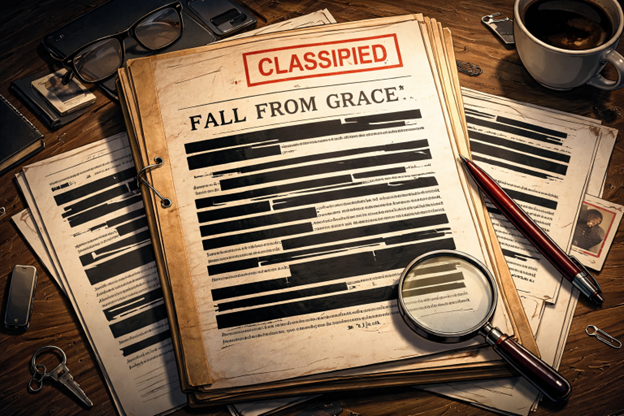
This report has been heavily redacted for your protection. What remains suggests rising tension, narrowing margins, and at least one person who isn’t telling the truth.
Ever sit down with a book thinking you’ll read just one chapter before bed… and suddenly it’s 2:03 a.m.? Mark Posey confesses why those “just one more chapter” moments are sometimes a little bit deliberate—and why writers secretly love hearing about them.
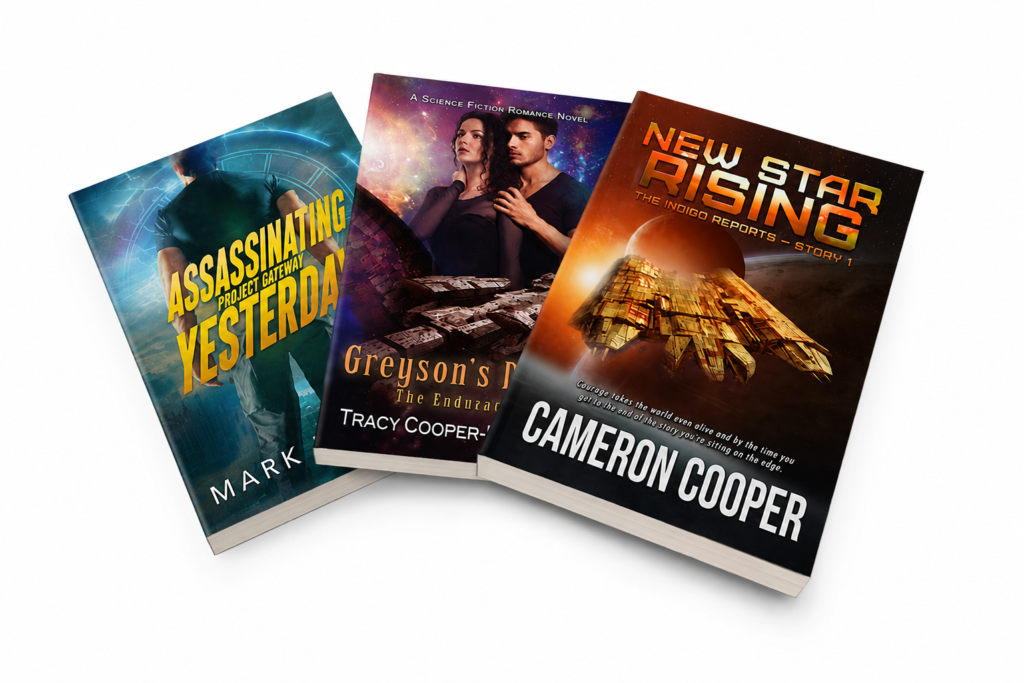
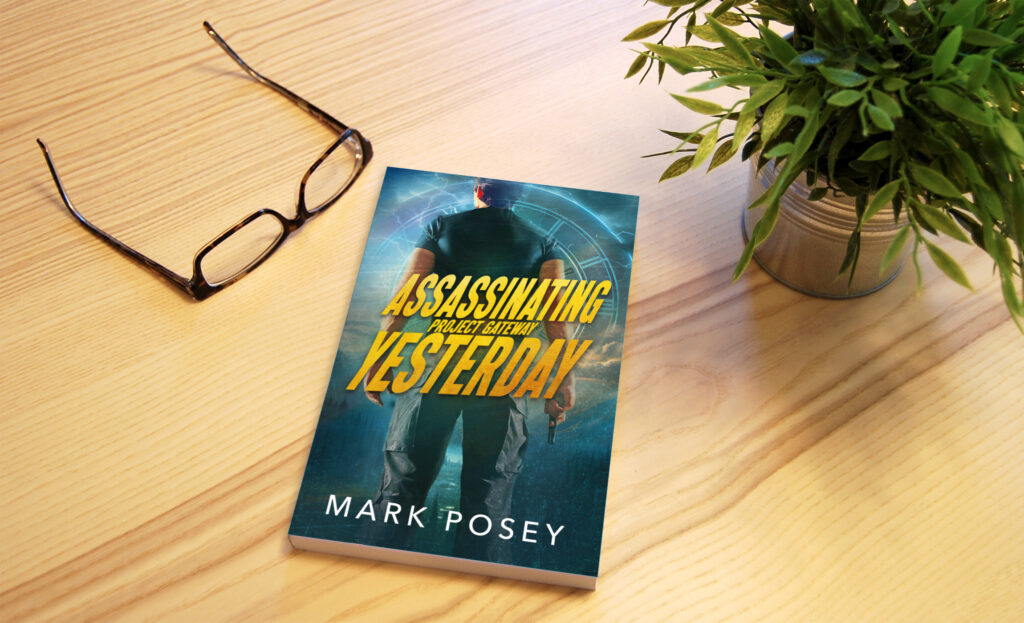
I forgot to bring my own time-travel thriller to the market. Not sold out—forgot to order it. Which is impressive, considering I wrote it. If you like high-stakes time travel, moral consequences, and science that actually matters, this is your reminder.
Readers don’t actually hate cliffhangers.
They hate being cheated.
What they’re reacting to isn’t tension or anticipation—it’s a broken promise. An ending that withholds resolution, slices a single story into artificial chunks, or stops mid-thought without delivering what the book itself set up isn’t a cliffhanger at all. It’s a contract breach.
A real cliffhanger resolves the story you promised to tell—and then opens the door to the next problem. It creates momentum, not confusion. When done right, the reader doesn’t feel tricked. They feel hooked.
There are two kinds of readers in the world.
The kind who says, “Just one more chapter,” and resurfaces hours later dehydrated and emotionally compromised.
And the kind who prefers the slow burn—one episode a week, time to speculate, time to argue, time to savor.
The internet insists one of these is correct.
They’re wrong.
This isn’t a format war. It’s a control issue—and Credible Threat is about to give both camps exactly what they want.
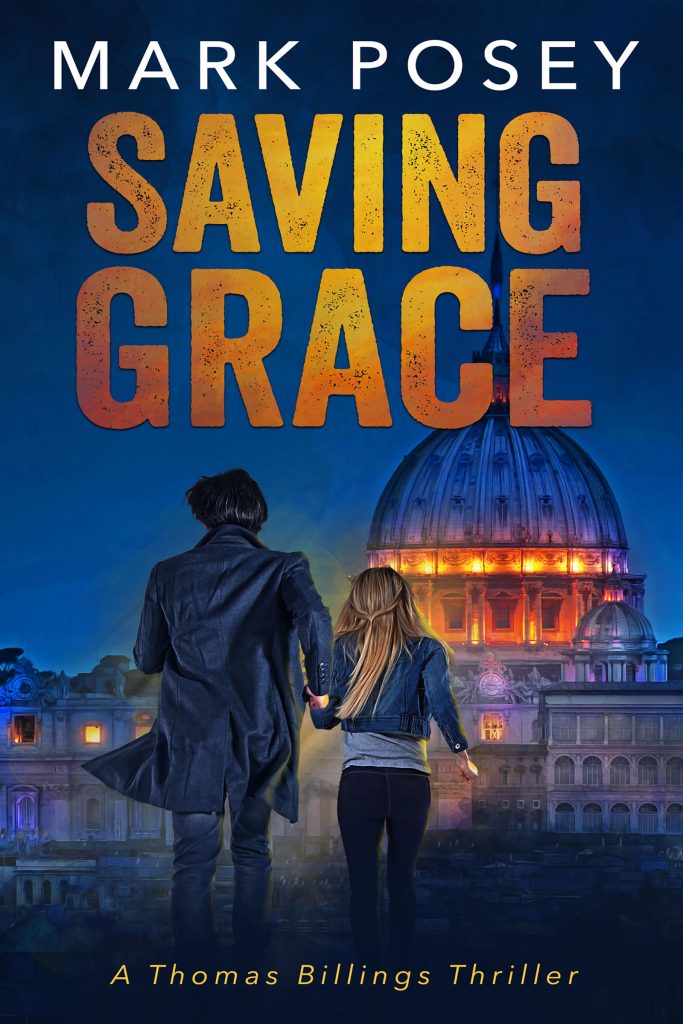
Thomas Billings is back.
Well… almost.
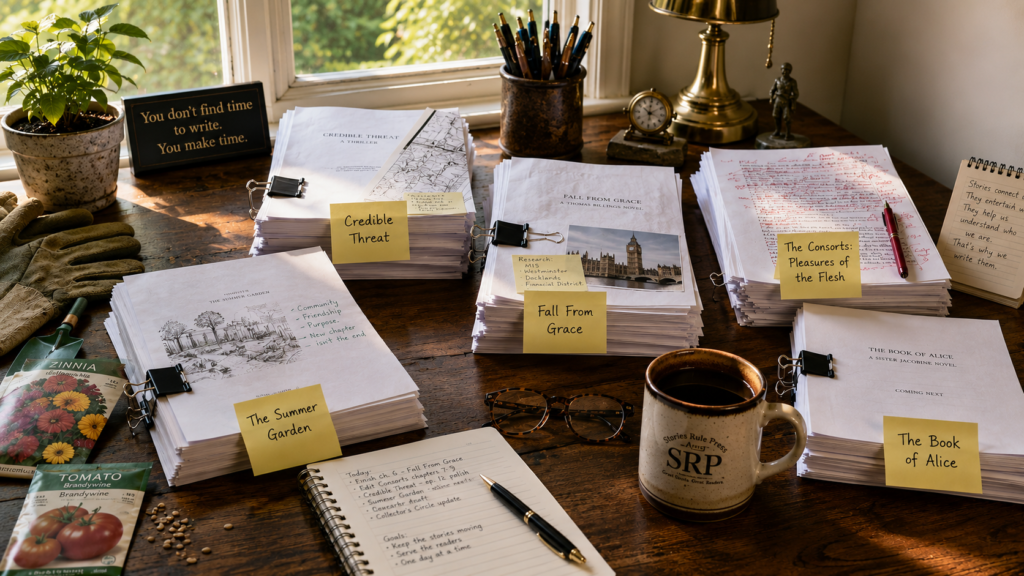
Mark filed a no-spoiler update on Fall From Grace, the second Thomas Billings thriller, and it contains precisely zero useful intel — which is exactly the point. What we do know: the book exists, words are happening, and coffee is disappearing at an alarming rate. Thomas is stubborn, Grace is complicated, and someone (possibly several someones) is making catastrophically poor choices.
In other words: the thriller is doing what thrillers do best.
And Mark will start spilling details only when the finish line is in sight.
Until then… someone, somewhere, is about to regret something deeply.
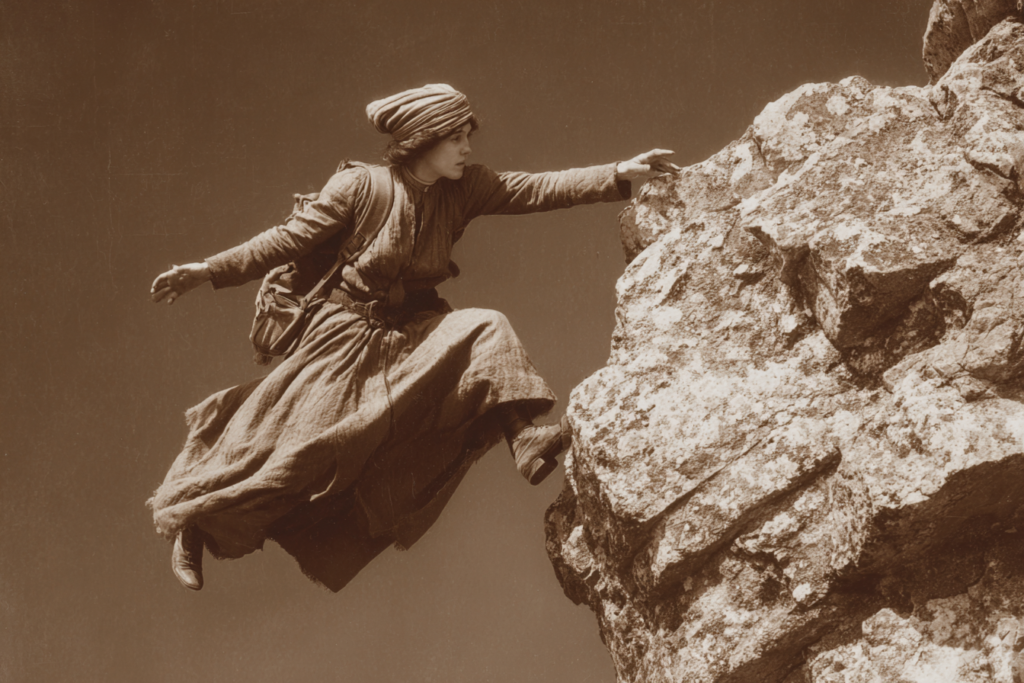
Mark Posey joins the long-running Uncollected Anthology with Bones of the Priory, a dark, atmospheric Sister Jacobine story in the new Monster Hunters issue. Jacobine returns to the ruins of her childhood nunnery expecting quiet reflection—but what she finds is her immortal sister Margaret, and a confrontation centuries in the making.