fantasy writing

Do Fantasy Readers Actually Want Simpler Worlds Again?

Fantasy readers often say they want “simpler” worlds, but is that really what they’re asking for? Maybe the problem isn’t complexity at all—it’s the steep learning curve many modern fantasy novels demand before the story can truly begin. A look at why great fantasy invites readers into its world instead of handing them an owner’s manual on page one.
When a Story Arrives All at Once

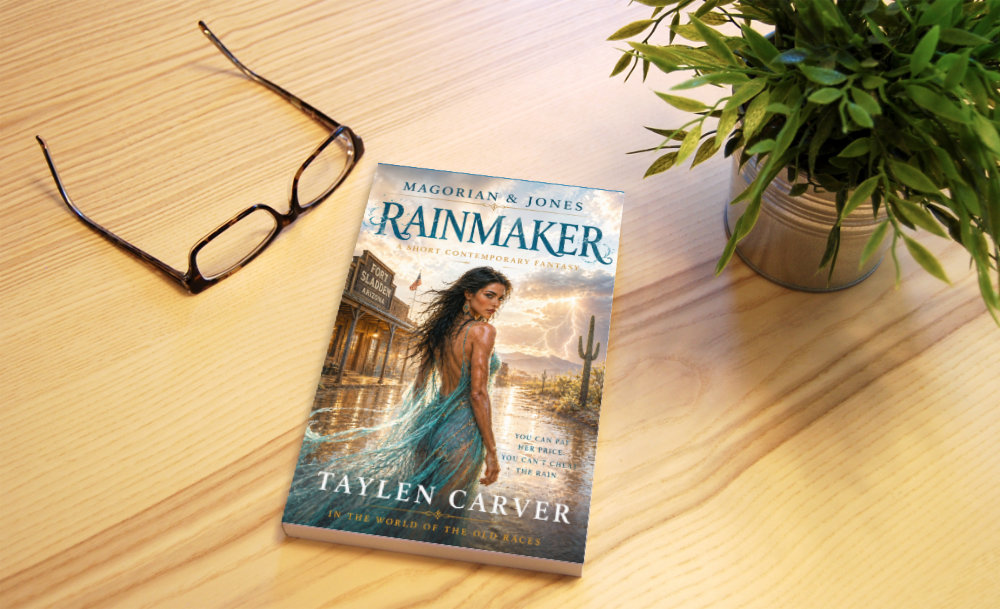
Most stories don’t arrive fully formed. They begin as a name, a setting, or the faintest glimmer of an idea, then grow one decision at a time. But every so often, a story appears almost complete. Rainmaker was one of those rare exceptions. Here’s how it came to life—and why, years later, I finally gave it the cover I’d always imagined.

When Reality Outdoes Fantasy

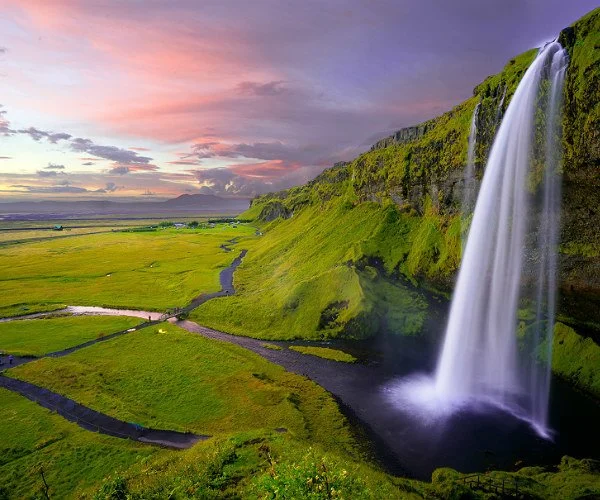
Some of the most fantastical settings aren’t found in fantasy novels—they’re right here on Earth. A single photograph of Seljalandsfoss in Iceland is a reminder that nature often creates landscapes so extraordinary we’d hesitate to put them in fiction for fear readers wouldn’t believe them. It’s a lesson that Peter Jackson understood when bringing Middle-earth to life on film.

How Do They Know When the Solstice Is?

How do astronomers know the exact moment of the summer solstice? The answer is both less mystical and more magical than you might think. From ancient stone circles to modern orbital calculations, the solstice marks a precise celestial moment that has inspired myths, festivals, and fantasy stories for thousands of years.

Thirty Years Later: What Game of Thrones Did To Fantasy

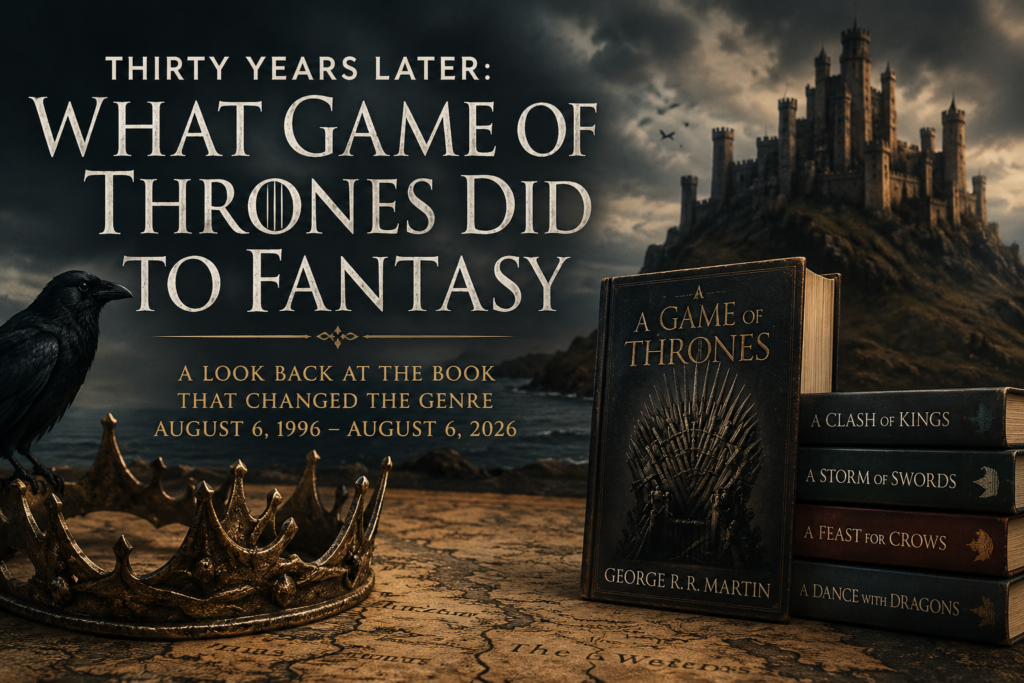
Thirty years after A Game of Thrones changed fantasy forever, it’s worth asking what the genre gained — and what it may have lost along the way. From the rise of grimdark and political fantasy to sprawling epic series and morally compromised heroes, George R. R. Martin’s influence is impossible to ignore. But as fantasy readers increasingly rediscover wonder, heroism, and adventure, has the pendulum finally begun swinging back?

Why Fantasy Worlds Feel Smaller Than Middle-earth

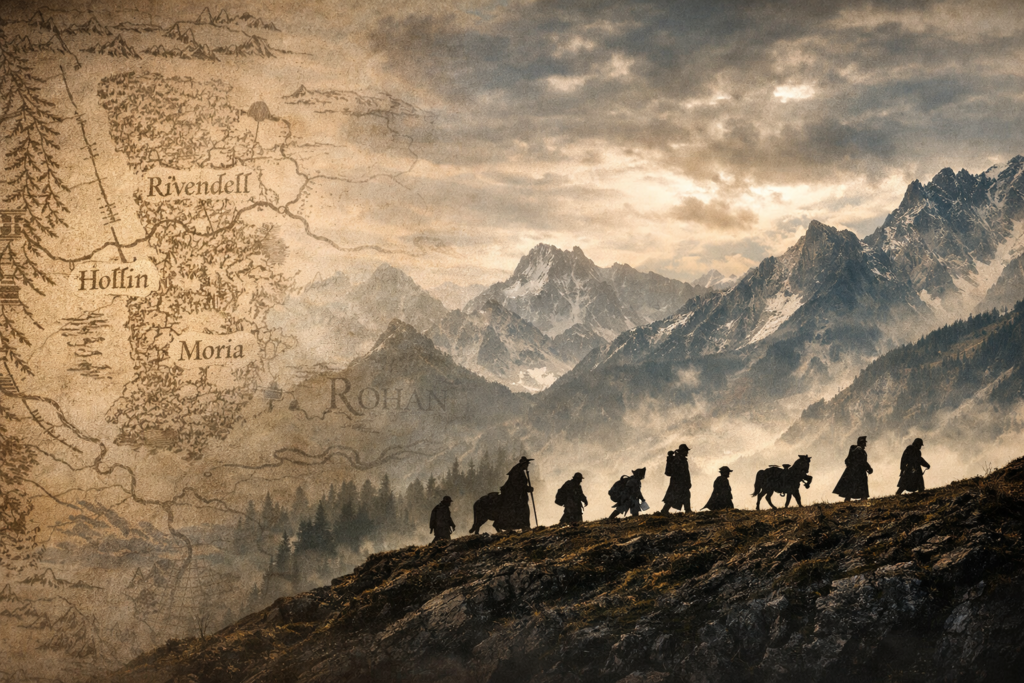
Fantasy maps have the same problem as those diagrams of the Earth and the Moon: they make impossible distances look deceptively small. A quarter-inch on the map between Rivendell and Hollin hardly seems worth mentioning—until you realise the Fellowship spent weeks walking it. Why does Middle-earth feel so much larger than other fantasy worlds, even worlds that are technically bigger? The answer may lie not in the map itself, but in the long, cold, weary miles between the names.

Why Bridges Are Always Trouble in Fantasy

Bridges look simple, but they quietly reshape the world around them. From Tolkien’s Last Bridge to the rainbow span of Bifröst, bridges in fantasy turn geography into decisions, create natural chokepoints, and mark the crossing from one world into another. As history shows—from Roman Corbridge to the Rhine in 1945—who controls the bridge often controls the story. Which may be why so many unforgettable fantasy moments happen right in the middle of one.

What’s on Tracy’s Desk? (2025 Edition)

Fourteen years ago, I shared a snapshot of my writing desk—and a surprising number of you still remember it! That desk is still with me, but the world around it has changed: the landline is gone, the monitors have multiplied, and only Strider remains of the original furry trio. This year, I revisited that 2011 post with a photo tour of my current workspace, the oddball trinkets that inspire me, and a glimpse into how I really write now—recliner and all. Spoiler: dusty fantasy author chaos is alive and well.

Shopping Basket
Scroll to Top