

New Release: The Indie Author Survival Guide by Tracy Cooper-Posey
The Indie Author Survival Guide by Tracy Cooper-Posey is out now—a practical guide to building a profitable, productive, resilient writing career in a tougher publishing market.
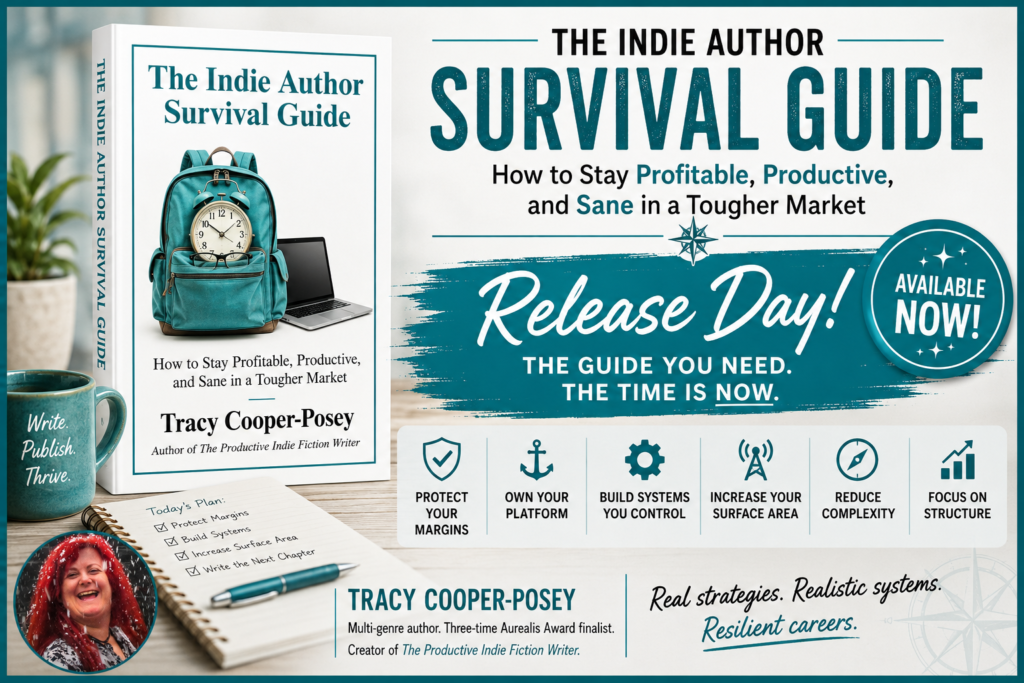
The Indie Author Survival Guide by Tracy Cooper-Posey is out now—a practical guide to building a profitable, productive, resilient writing career in a tougher publishing market.
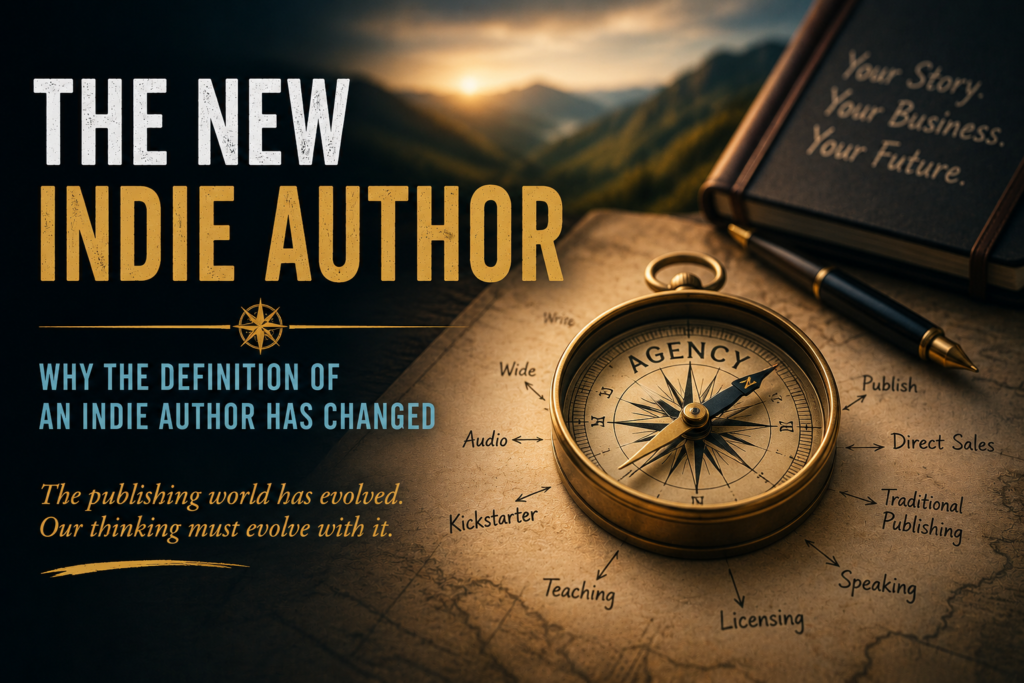
What if the definition of an indie author hasn’t kept pace with the publishing industry? The principles that built the indie revolution still matter—but the world around them has changed dramatically. It’s time to rethink what independence really means in today’s publishing landscape.
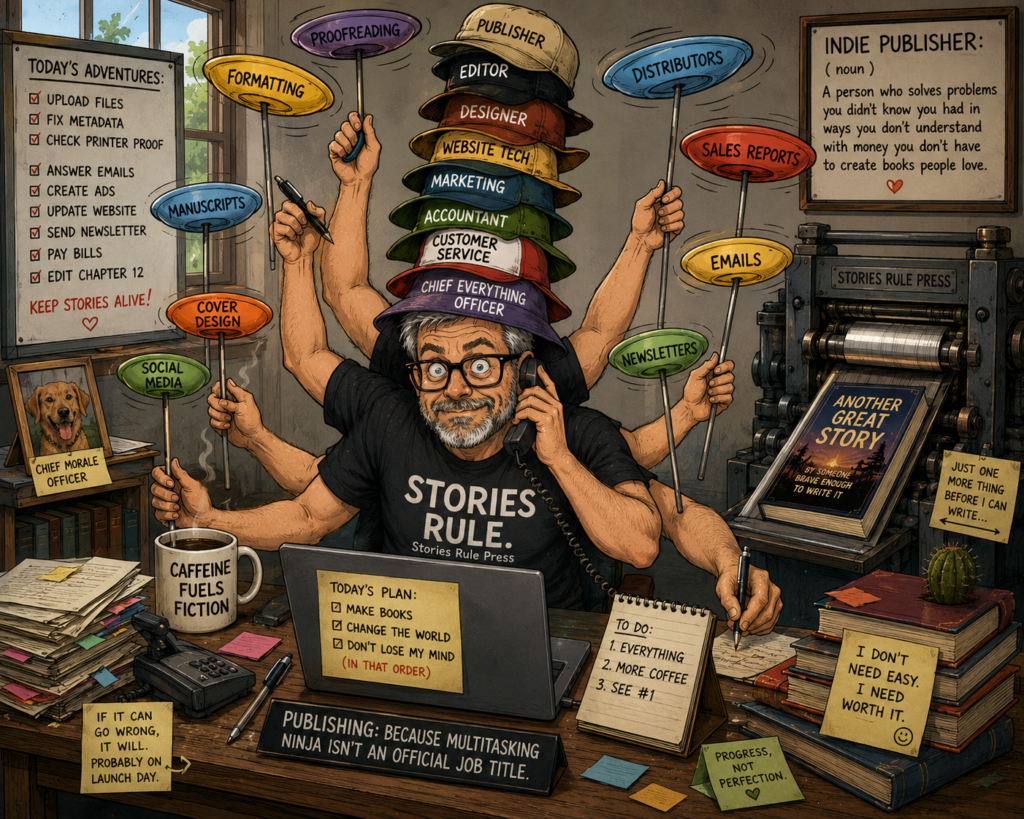
People often imagine independent publishing as a world of elegant offices, literary conversations, and endless coffee. The reality is rather more chaotic. One moment you’re the publisher, the next you’re fixing EPUBs, answering customer emails, wrestling with accounting reports, or hunting down invisible formatting errors. It’s a juggling act—but somehow, it’s still one of the most rewarding jobs there is.
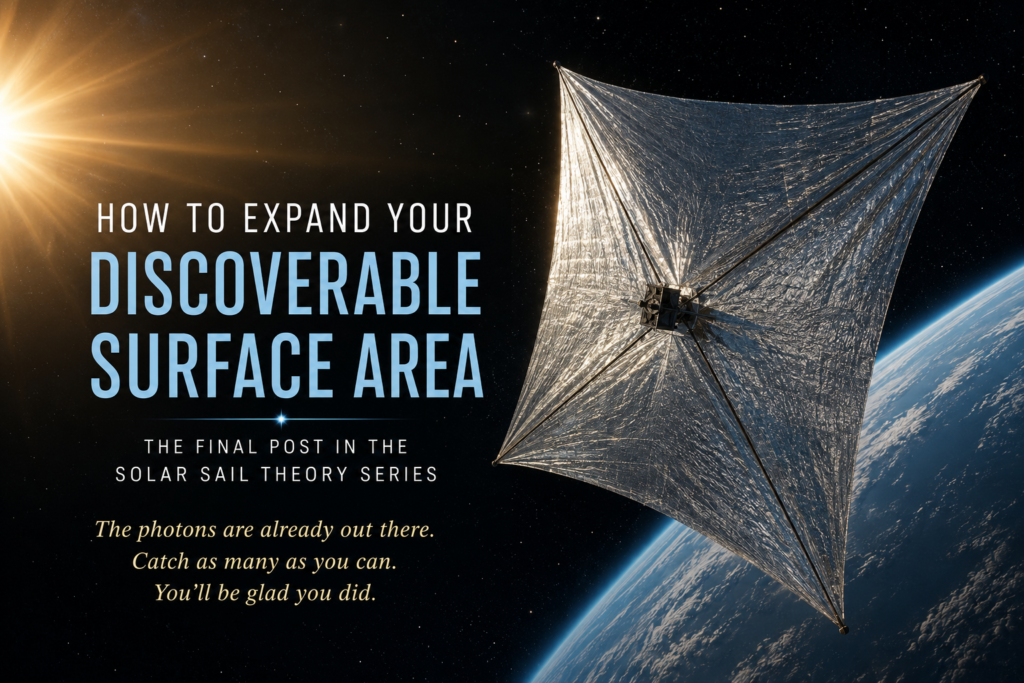
Solar Sail Theory isn’t about finding stronger sources of momentum. It’s about becoming better at capturing thousands of weak sources of momentum that already exist.
One newsletter subscriber won’t change your life. One podcast appearance won’t transform your business. One new reader or conference conversation or bookstore event won’t either.
Individually, they’re almost insignificant.
That’s why the sail is enormous.
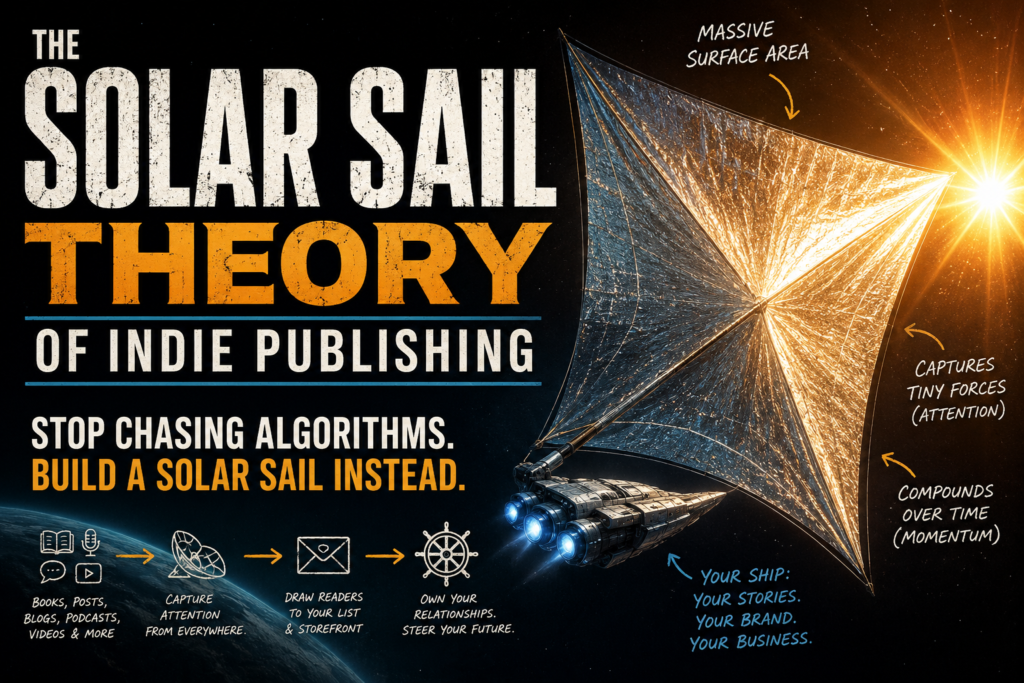
Daily sales are sinking. Organic reach has collapsed. AI-generated sludge is flooding storefronts while retailers tighten their grip on discoverability. Indie authors are being told to do more of everything — more books, more ads, more social media, more platforms — while the systems underneath us become increasingly unstable and hostile.
The Solar Sail Theory of Indie Publishing offers a different approach.
Instead of chasing endless “rocket launch” marketing spikes, authors can build long-term momentum by expanding their discoverable surface area across the internet and in real life, then channeling that attention into owned reader relationships through websites, email lists, and direct sales.
A solar sail doesn’t move through explosive force. It moves by capturing thousands of tiny forces over time.
So can an indie author career.
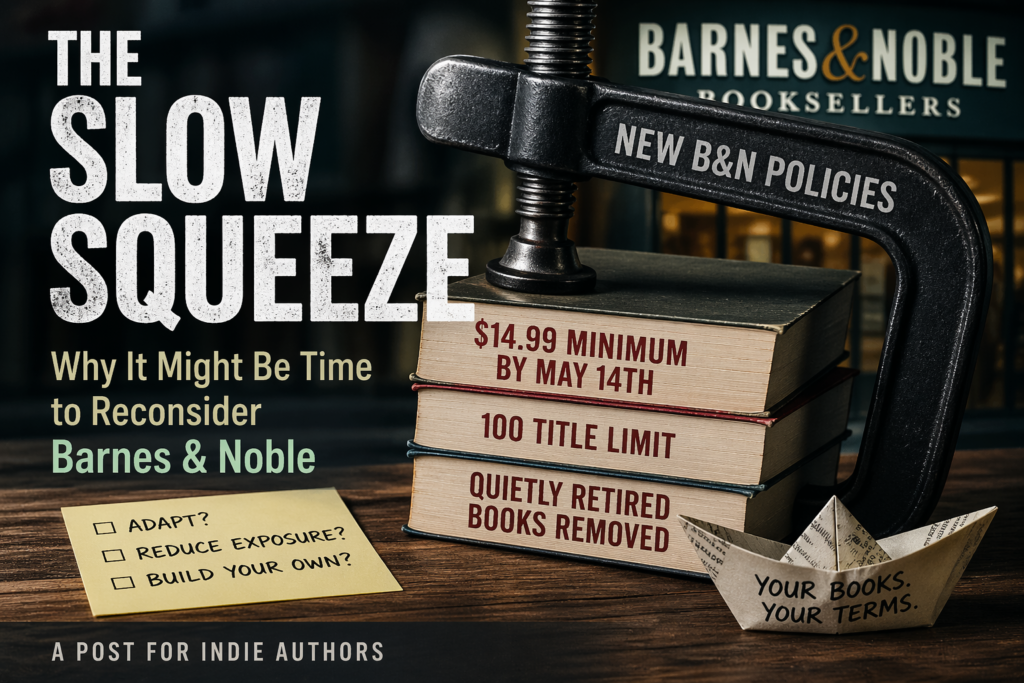
Barnes & Noble didn’t send a warning shot—they sent a deadline. Raise your paperback prices to $14.99 by May 14th, or your books are gone. For indie authors working in short fiction or maintaining deep backlists, that’s not a tweak. It’s a hard stop. And it’s only the latest move in a pattern that’s quietly reshaping who—and what—belongs on the platform. The question isn’t whether these changes are fair. It’s whether your publishing strategy can survive them.
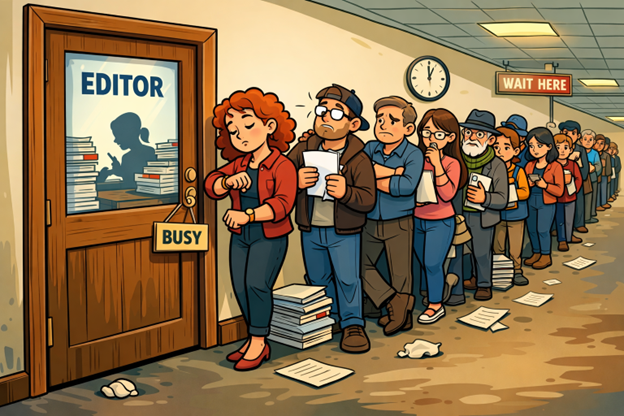
If you’re waiting until your manuscript is finished before thinking about editing, you’re already behind. Editors don’t work on demand—they book weeks or months in advance to give every project the attention it deserves. The writers who stay on track? They treat editing as part of their production pipeline, not the final step.
Good editing doesn’t draw attention to itself. When it works, readers never notice it at all — they simply fall into the story. Editing isn’t about rewriting an author’s voice or showing off clever fixes. It’s about removing the friction that causes readers to hesitate, lose momentum, or quietly stop turning pages.

Most authors aren’t confused about how traditional and indie publishing work. They’re confused because they’re emotionally attached to what they want those systems to be. In 2026, choosing between trad, indie, or anything resembling “hybrid” isn’t about legitimacy or dreams of a writing career. It’s about understanding which system you’re willing to depend on — corporations behaving well, or yourself. This is the part nobody says out loud.

If Part I was the brutal, unsentimental comparison of trad vs indie — advantages, disadvantages, and the cold math of each — then Part II shifts gears completely. Part II dives into what modern indie publishing actually looks like in 2026, because most writers still imagine the 2013 version: KU gold rushes, cheap ads, write-to-market hamster wheels, and algorithmic rituals. That world is gone. Today’s indie career is a full business model built on direct sales, diversified income, long-tail backlist revenue, platform resilience, and storytelling that can’t be replicated by AI. If you don’t understand this version of indie, you can’t choose your publishing path intelligently — and Part II lays it out without sentimentality, delusion, or nostalgia.