serial fiction

What Serial Fiction Can Teach Writers

Most writers think of serial fiction as a publishing format. Mark Posey argues it is something even more valuable: a practical lesson in storytelling craft. Because every installment must earn a reader’s return, serial fiction exposes weaknesses in pacing, structure, and chapter endings that can hide inside a completed novel. The skills it teaches—curiosity, momentum, and reader engagement—strengthen every form of storytelling.

The Joy of Not Turning to the Last Page

What if waiting for the next chapter isn’t a flaw in storytelling, but one of its greatest pleasures?

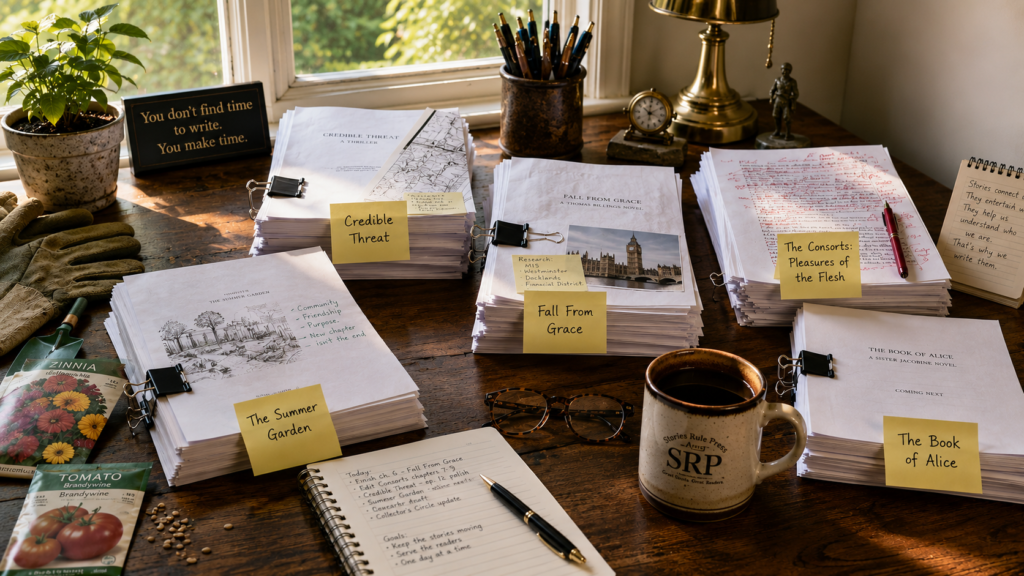
In a world built around instant gratification, serial fiction offers something different: anticipation. Readers spend time with characters, speculate about what comes next, and let stories become part of the rhythm of their week. As The Summer Garden continues and Credible Threat: Season One joins it, Mark Posey reflects on why the joy of not turning to the last page may be more valuable than ever.

Something New is Growing

A retired widower. A community garden. A cast of unforgettable neighbours. While Fall From Grace continues to take shape, Mark Posey has also been nurturing a very different story. The Summer Garden is a warm, character-driven serial about grief, friendship, second chances, and the surprising ways people keep growing long after they think life’s most important seasons have passed.

Binge or Drip? The Serial Reading Argument No One Actually Wins

There are two kinds of readers in the world.
The kind who says, “Just one more chapter,” and resurfaces hours later dehydrated and emotionally compromised.
And the kind who prefers the slow burn—one episode a week, time to speculate, time to argue, time to savor.

The internet insists one of these is correct.

They’re wrong.

This isn’t a format war. It’s a control issue—and Credible Threat is about to give both camps exactly what they want.

Shopping Basket
Scroll to Top