storytelling craft

Five Things Editors Wish Writers Knew

After you’ve been editing fiction for a while, patterns emerge — not in the stories, but in the expectations writers bring to the process. Editing isn’t about fixing broken books or policing commas. It’s about helping a manuscript work the way the author intended: with clarity, emotional logic, and structural strength. Here are five things editors quietly wish every writer understood before the red pen ever comes out.

Cliffhangers

Readers don’t actually hate cliffhangers.
They hate being cheated.

What they’re reacting to isn’t tension or anticipation—it’s a broken promise. An ending that withholds resolution, slices a single story into artificial chunks, or stops mid-thought without delivering what the book itself set up isn’t a cliffhanger at all. It’s a contract breach.

A real cliffhanger resolves the story you promised to tell—and then opens the door to the next problem. It creates momentum, not confusion. When done right, the reader doesn’t feel tricked. They feel hooked.

Why Your Scene’s Setting Matters More Than You Think

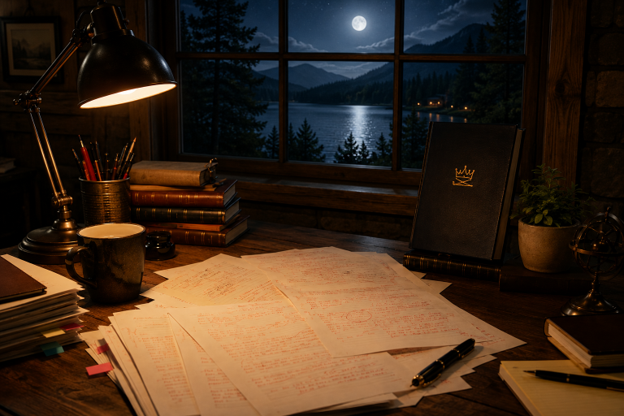
Setting isn’t wallpaper. It’s the emotional engine under every scene you write. A confession uttered beneath stained-glass saints is a completely different moment than one whispered in the soft half-light of a bedroom — same words, wildly different meaning. If a scene feels limp, nine times out of ten the setting is the culprit. Make the room work just as hard as the characters, and suddenly the whole story sharpens.

Shopping Basket
Scroll to Top