

There’s a form of storytelling that can be incredibly powerful when done well and painfully dull when done badly.
Introspective narration.
You know the kind I mean. A character looking back. A wiser voice reflecting on events. The story carrying not just what happened, but what it meant. Memory layered over action. Experience filtered through time. When it works, it can be unforgettable.
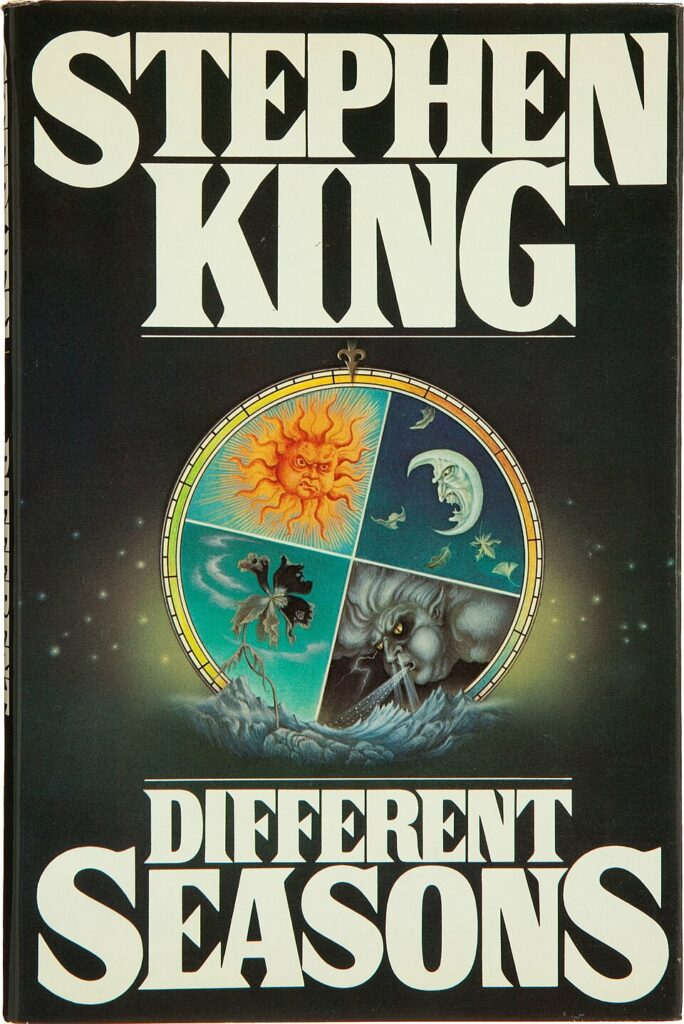
Think of The Shawshank Redemption. Think of Stand by Me. In both cases, the narration doesn’t merely explain the plot. It deepens it. It gives emotional weight to moments that might otherwise pass too quickly. It turns events into something larger: longing, friendship, loss, hope, the strange way time reshapes memory. That’s the upside.
A strong introspective voice can create intimacy between reader and character. It can add theme without becoming preachy. It can transform a simple event into a meaningful one. It can give your story a texture that pure scene-by-scene action sometimes lacks. Most importantly, it can make the story feel as though it matters beyond the mechanics of plot.
But now the bad news. Many writers mistake introspection for momentum. They stop the story cold so the character can explain themselves for three pages. They repeat emotions the scene already showed perfectly well. They tell us what something means instead of letting us feel it. They wander into generic philosophy because they think depth is the same thing as seriousness. It isn’t.
Introspective narration is not automatically profound just because someone is thinking in complete sentences.
And pacing matters. If your thriller is in the middle of a chase scene, that may not be the ideal moment for a reflective paragraph on the nature of regret. If your romance reaches a turning point, don’t smother it under a page of analysis explaining what the reader already understands.
The key question is simple: Does the introspection add something the scene alone cannot?
If yes, keep it. If it merely repeats, delays, explains too much, or congratulates itself on being deep, cut it without mercy.
Used well, introspective narration can elevate a story. Used badly, it becomes literary speed bumps scattered across the road. So use it like seasoning, not gravy. Enough to enrich the meal. Not so much that everything drowns.
— Mark