

ICYMI Friday, October 16, 2026
Happy Friday, all! I hope everyone’s having a good summer. It’s been a pretty busy week here at SRP! In case you missed it (ICYMI) here’s what we’ve been up to:

Happy Friday, all! I hope everyone’s having a good summer. It’s been a pretty busy week here at SRP! In case you missed it (ICYMI) here’s what we’ve been up to:
Happy Friday, all! I hope everyone’s having a good summer. It’s been a pretty busy week here at SRP! In case you missed it (ICYMI) here’s what we’ve been up to:
Happy Friday, all! I hope everyone’s having a good summer. It’s been a pretty busy week here at SRP! In case you missed it (ICYMI) here’s what we’ve been up to:
Happy Friday, all! I hope everyone’s having a good summer. It’s been a pretty busy week here at SRP! In case you missed it (ICYMI) here’s what we’ve been up to:
Happy Friday, all! I hope everyone’s having a good summer. It’s been a pretty busy week here at SRP! In case you missed it (ICYMI) here’s what we’ve been up to:
Happy Friday, all! I hope everyone’s having a good summer. It’s been a pretty busy week here at SRP! In case you missed it (ICYMI) here’s what we’ve been up to:
Happy Friday, all! I hope everyone’s having a good summer. It’s been a pretty busy week here at SRP! In case you missed it (ICYMI) here’s what we’ve been up to:

Stop introducing your characters. Readers don’t want a list of traits—they want the pleasure of discovering who someone is through action, dialogue, and the little details that make a story feel real. Trust your readers to connect the dots, and your fiction will become stronger, faster, and far more engaging.

Sometimes the stories we’re most excited about are the ones we forget to talk about. For months, I’ve been quietly publishing The Summer Garden every Sunday on Substack—a gentle serial about grief, friendship, second chances, and the unexpected community found in a neighborhood garden. If you haven’t discovered Scotty and the residents of Mill Creek Community Garden yet, now’s the perfect time to step through the gate.
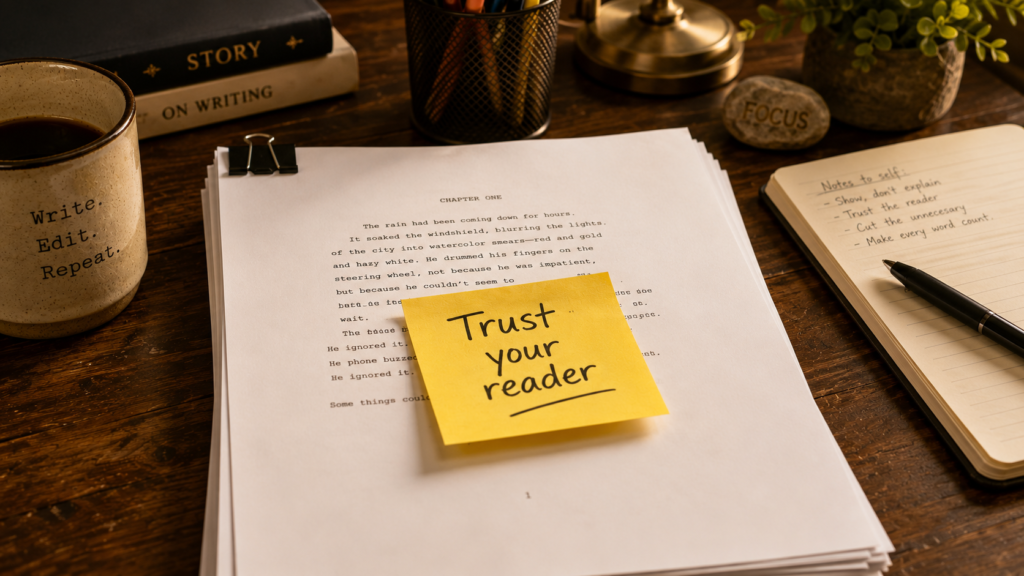
Readers are smarter than many writers give them credit for. When we explain every emotion, clue, or joke, we take away one of reading’s greatest pleasures: discovering the story for themselves. Sometimes the best editing advice is also the simplest—trust your reader.