

Part Two
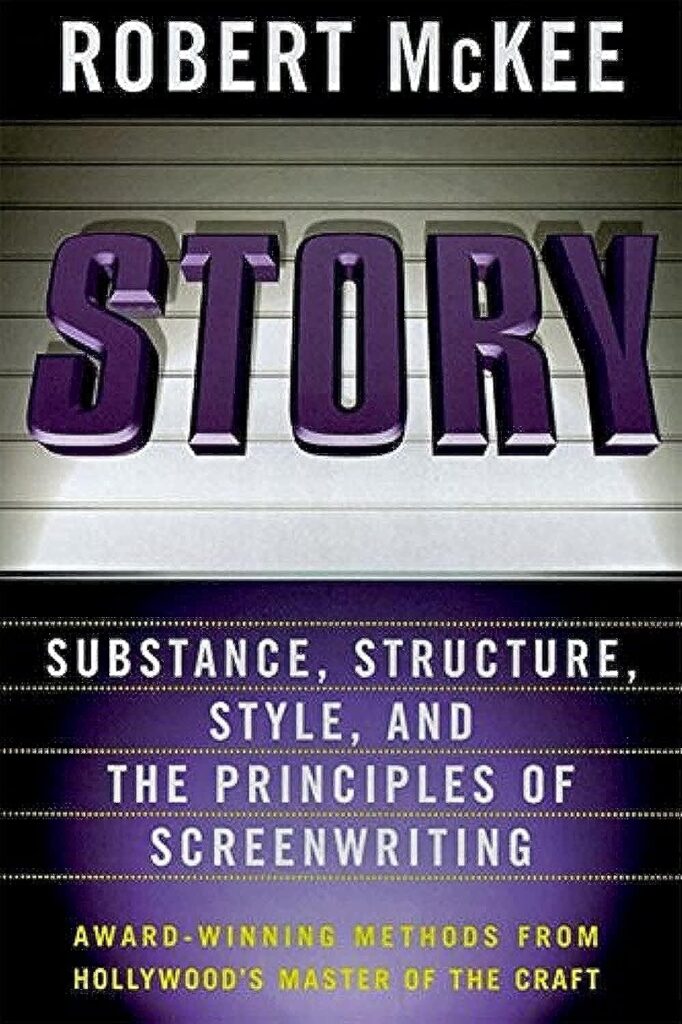
Why Robert McKee’s Story Still Matters
Some writing books offer tips. Some offer encouragement.
Robert McKee’s Story walks into the room, straightens the furniture, and reminds everyone that storytelling existed before your laptop.
I’ve returned to this book for years, and not just because I took McKee’s seminar. I return to it because it deals with story at the level beneath trend, genre, and publishing fashion. It’s concerned with the machinery of narrative itself—what makes audiences care, what creates momentum, why some scenes crackle while others lie on the page like sedated livestock.
McKee is interested in cause and effect, turning points, escalating complications, meaningful choice, and the gap between expectation and result. In other words: the things that make story feel alive.
One of the most valuable lessons in Story is that plot is not merely “what happens next.” Plot is how pressure reveals character. Trouble arrives, choices must be made, consequences follow, and in those moments we discover who people really are.
That matters because many manuscripts mistake activity for drama. Things happen. Cars move. People argue. Explosions occur. Someone pours coffee with great emotional significance. But if events are not forcing meaningful decisions, the story often feels busy rather than compelling.
McKee is also excellent on progressive complications—the idea that problems should not simply repeat at the same level wearing different hats. They should deepen, worsen, become more costly, more personal, more difficult to escape. That’s how stories gain force.
Now, a note of honesty: Story is not a light, breezy “write your novel in a weekend” sort of book. McKee has strong opinions, formidable confidence, and the energy of a man prepared to challenge your life choices before lunch. I mean that as praise.
The book asks writers to take storytelling seriously. Not solemnly, but seriously. To understand that readers feel structure even when they cannot name it. They know when momentum is real. They know when stakes matter. They know when a climax has been earned. And they absolutely know when you’re faking it.
If The Story Grid helps diagnose a manuscript, Story helps you understand the deeper principles that make stories work in the first place. Which is why it still earns its place on my shelf.
— Mark

Mark Posey
SRP Author and thriller writer.
Mark writes thrillers for readers who don’t mind a little dirt under the nails — stories with emotional weight, lean prose, and characters who rarely do the right thing for the right reason. His work lives somewhere between noir, revenge fantasy, and literary grit, though he avoids calling it any of those because that sounds like marketing.
When he’s not writing fiction, Mark also works as a professional editor and story consultant. His editing blog offers straight talk for indie and traditionally published authors alike — especially the ones who are tired of being told to “find their voice” by people who can’t define what voice is.
He believes in clarity over cleverness, clean narrative over trend-chasing, and that semicolons are fine, but you probably don’t need as many as you think.
He lives in Canada, which explains the politeness, but not the sarcasm.
You can find him online at MarkPoseyAuthor.com, where he blogs about writing, editing, story structure, and whatever else is on fire this week. His books are published through Stories Rule Press, an independent publisher of genre fiction with strong characters and sharp writing.