creative process

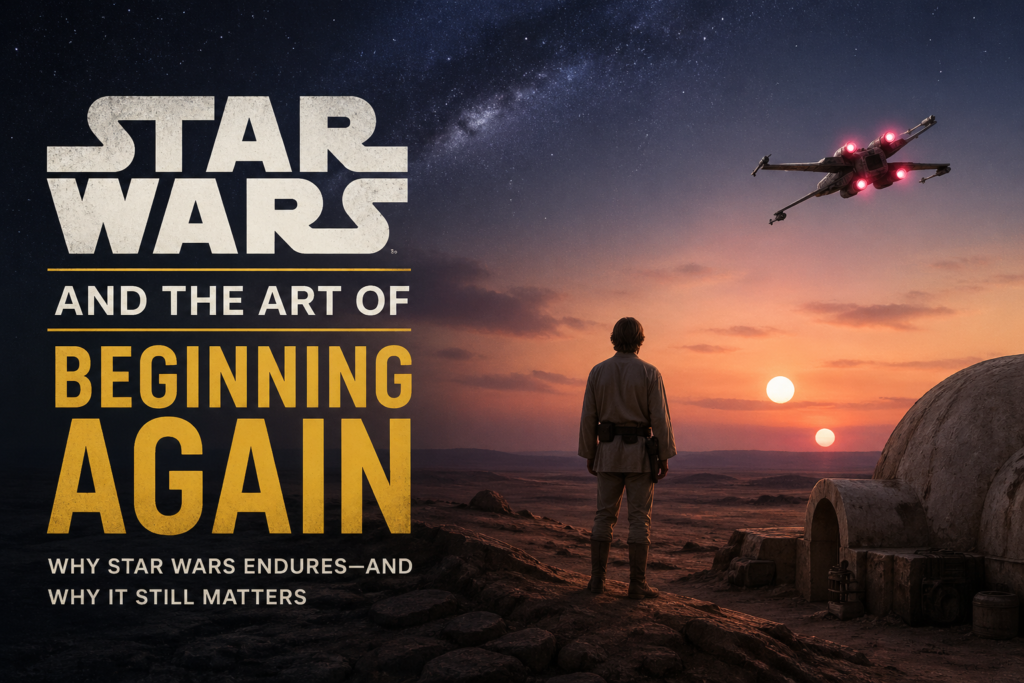
Why Star Wars Endures

Star Wars has been part of my life for as long as I can remember—and, in a very real way, it helped shape my career as a writer. But decades on, the question isn’t why it began. It’s why it never seems to end. As new generations discover it and older ones drift away, Star Wars continues to renew itself in ways that are both familiar and puzzling.

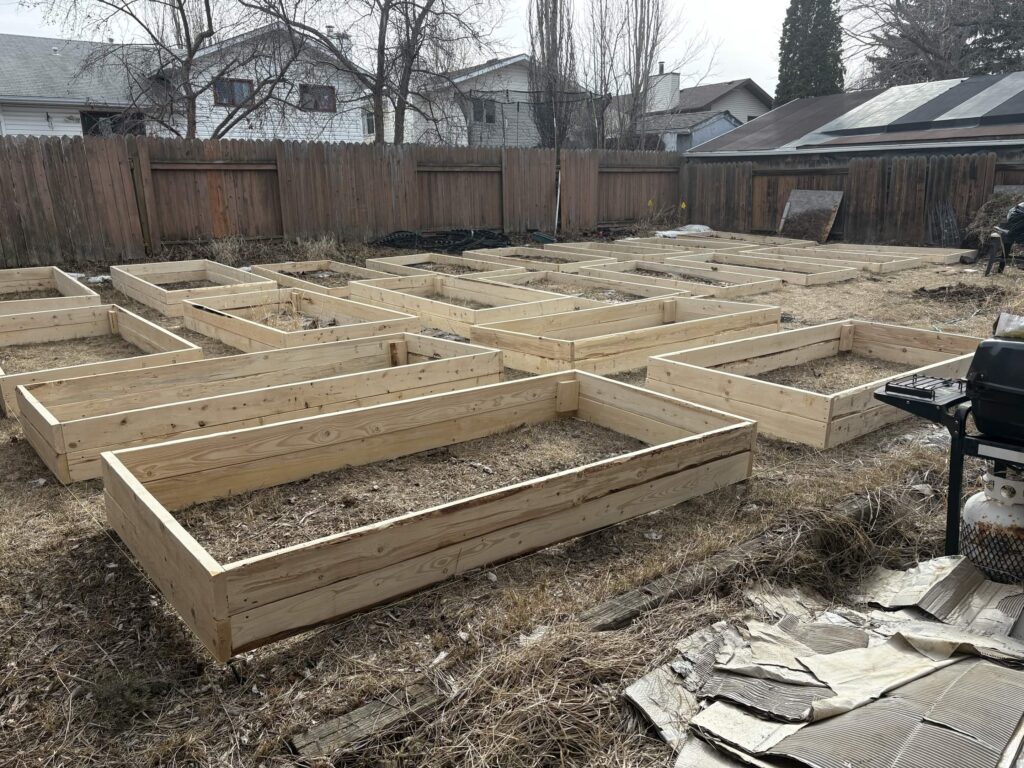
Twenty Raised Beds and the Quiet Joy of Starting Something

This weekend, Mark is trading the keyboard for lumber, screws, and soil as he builds twenty raised beds in the backyard. There’s a quiet satisfaction in work you can see at the end of the day—and a surprising connection between gardening and writing. Both are acts of optimism: you do the work now, trust the process, and hope something good will grow.

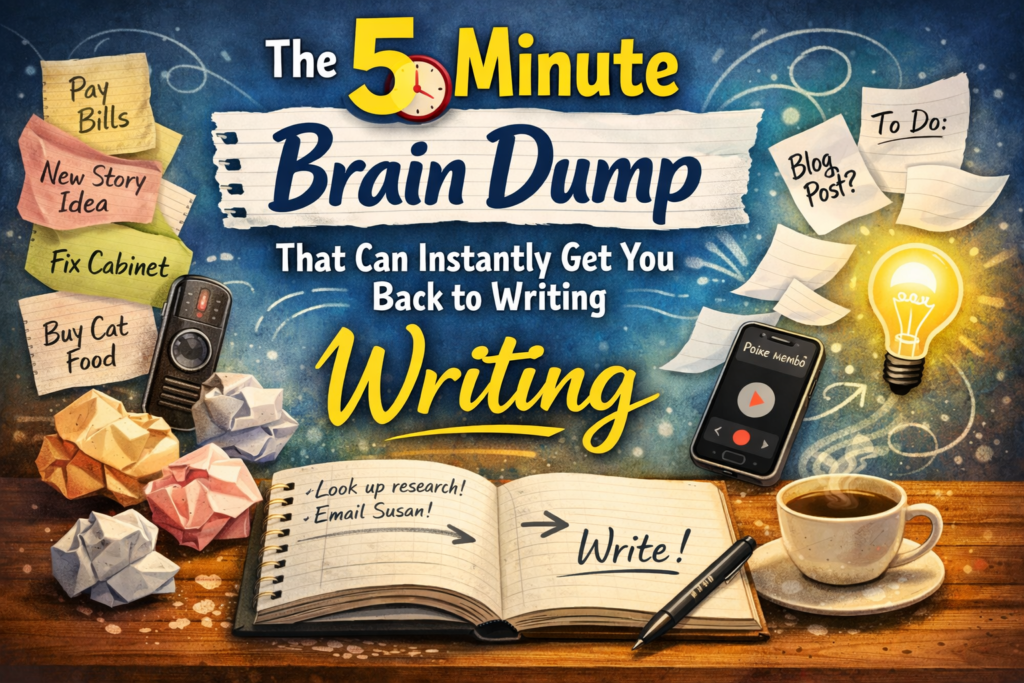
The 5-Minute Brain Dump That Can Instantly Get You Back to Writing

Excerpt: Writers don’t usually suffer from a lack of ideas—we suffer from too many. Between errands, reminders, story ideas, and random questions, our brains can become so cluttered that writing feels impossible. Here’s how a simple five-minute “brain dump” can clear the mental noise, help you focus, and get you back into the flow of writing.

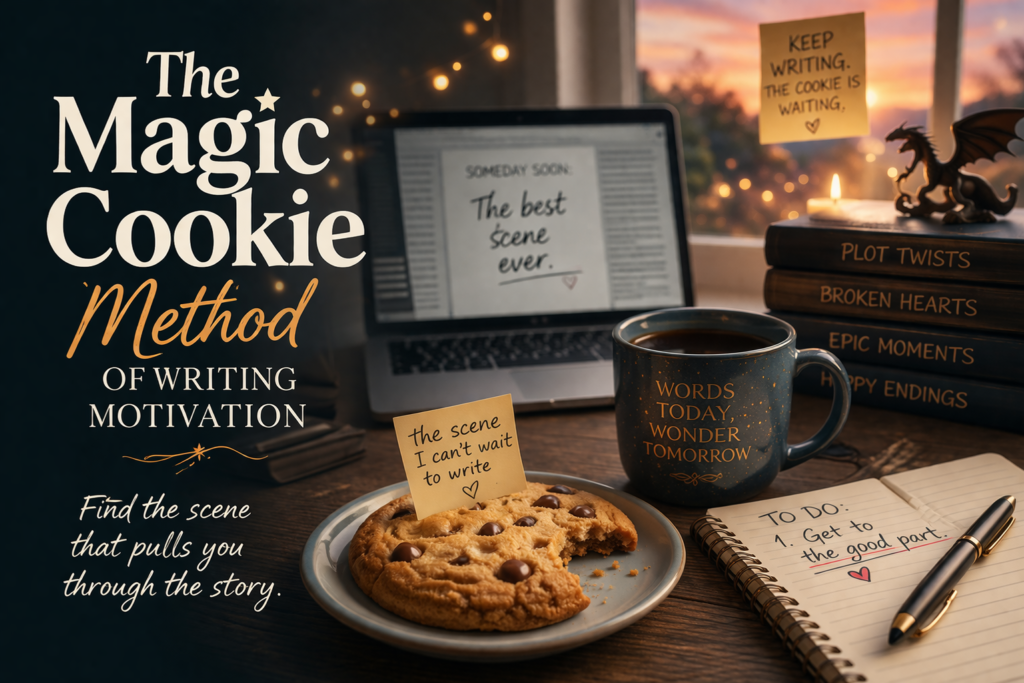
The Magic Cookie Method of Writing Motivation

When writing starts to drag, the problem often isn’t laziness or lack of discipline — it’s that you’ve lost sight of what you’re writing toward. In this post, I explore the “magic cookie” method: finding the one scene, moment, or beat in your story that excites you enough to pull you through the difficult middle. Because sometimes the best cure for procrastination is knowing there’s something wonderful waiting a few chapters ahead.

Can’t Reach Flow State? This Might Be Why

Struggling to reach flow when you write? It might not be a discipline problem. Flow isn’t just about focus—it’s about whether your brain trusts that everything else is handled. If your mind is still tracking loose ends, unfinished tasks, or “don’t forget this” thoughts, it won’t let go. And without that mental quiet, true immersion in your story stays just out of reach.

Where Ideas Actually Come From

Ideas don’t arrive fully formed. They start as small, sideways questions — the kind that won’t leave you alone once they land. That’s where stories actually come from.

Anyone Quoting Black-and-White “Rules” About Writing Is Full of Crap

If someone is handing you absolute, black-and-white “rules” about writing, they’re full of crap.
Most of those commandments started life as reasonable cautions… before nuance died somewhere between a conference panel and a poorly edited podcast rant.

Real editors don’t enforce rules.
Real editors ask one question: Is this working for this story, this audience, this moment?

Follow every so-called rule perfectly and you won’t write a great book — you’ll just write a technically correct, emotionally flat one.
Rules can stop you from making mistakes.
They cannot help you make choices.
And writing is nothing but choices.

The Annual Ritual of the Writing Resolution

Writing resolutions fail for remarkably predictable reasons.
Not because writers are lazy or unserious—but because they aim too high, too vaguely, and too emotionally.

The writers who finish books aren’t the ones who promise themselves a perfect year.
They’re the ones who build systems that survive imperfect weeks.

Beautiful Lies: The Problem With Fantasy Maps (And Why I Still Love Them)

I’ve been obsessed with maps since before I knew what fantasy was. The kind you unfold like treasure, with winding rivers, tiny illegible place names, and the promise of ancient secrets hidden in the margins. In my own stories, the map comes first—and sometimes refuses to budge. Which is probably why I have strong feelings about Tolkien’s very tidy mountain problem. Let’s talk about the beauty, the lies, and the suspicious tectonics of fantasy cartography.

Shopping Basket
Scroll to Top