Editing

The Editing Queue Just Filled Up

As of this week, my editing calendar is booked into March.

If you’ve been thinking, “I should probably get a quote…” — this is your nudge. Editing queues don’t fill in tidy rows; they arrive in waves, overlap, and shift. And once the calendar is full, the only honest answer for new clients is: your start date will be later than you hoped.

Getting on the schedule early doesn’t obligate you. It simply protects your timeline — before a finished manuscript runs out of time to become a better one.

Five Things Editors Wish Writers Knew

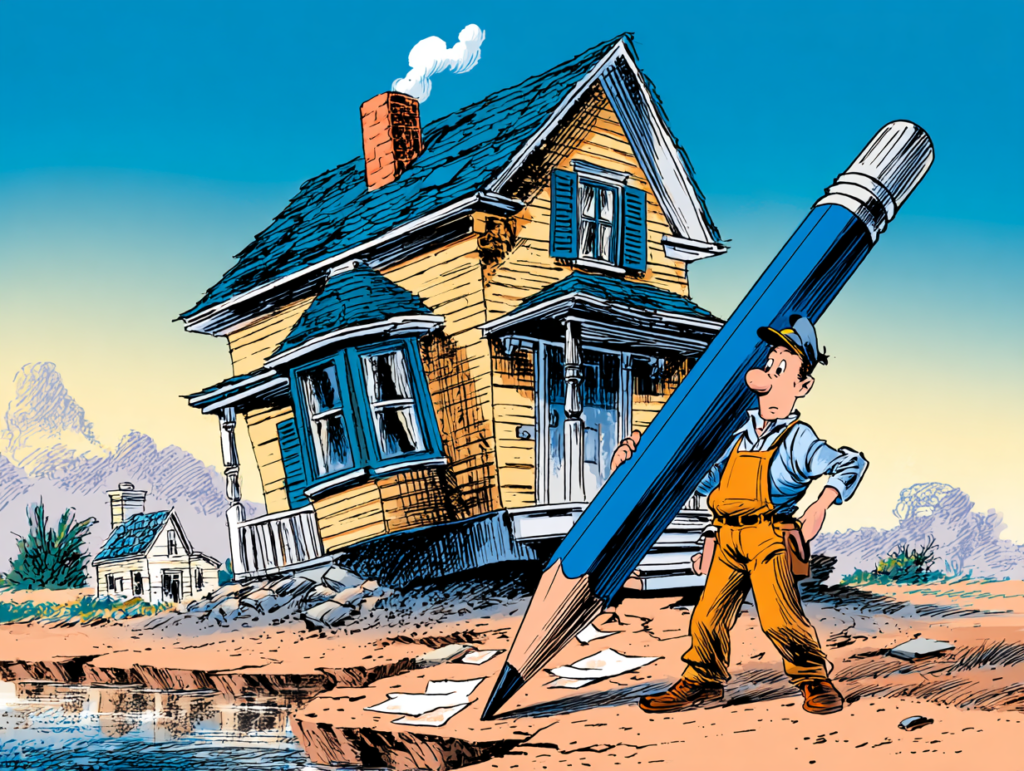
After you’ve been editing fiction for a while, patterns emerge — not in the stories, but in the expectations writers bring to the process. Editing isn’t about fixing broken books or policing commas. It’s about helping a manuscript work the way the author intended: with clarity, emotional logic, and structural strength. Here are five things editors quietly wish every writer understood before the red pen ever comes out.

Editing King Arthur (Again): Notes From the Once and Future Hearts Trenches

Editing a thirteen-book Arthurian saga isn’t for the faint of heart. Mark pulls back the curtain on his years in the trenches with Once and Future Hearts—from navigating character continuity and protecting authorial voice to the diplomatic art of asking, “Are you sure, Tracy?” as the finale, Camlann, heads into its early-release Kickstarter celebration.

The Power of Knowing Your Character’s Arc (Before You Start Writing)

Writing a story without understanding your main character’s arc is like driving cross-country blindfolded — you might arrive somewhere, but odds are it won’t be where you meant to go. Every protagonist travels an emotional and psychological path, changing (or refusing to change) because of the story’s events. When you understand that inner journey — and how it collides with the outer, plot-driven one — every scene gains purpose, every choice deepens meaning, and your rewrite count drops dramatically. Know your hero’s lie, the truth they need to learn, and what the story will throw at them to force that transformation. Everything else flows from there.

One Simple Trick to Make Your Dialogue Instantly Stronger

Struggling with clunky conversations or over-the-top dialogue tags? Clean, compelling dialogue doesn’t just sound real — it works hard to reveal character, build tension, and move your story forward. Here’s how to write dialogue that earns its place on the page.

Turn Off Editing and Spelling While You Type. And Why.

So, shiny new laptop in hand, I reinstalled all my software. And, of course, Microsoft Word came back with all its default bells and whistles cheerfully intact—including the dreaded live spelling and grammar check. Outlook, OneNote, the rest of the MS Office gang… same story.

Online editing tools weren’t far behind, either. And if you’ve got a grammar extension active while you’re writing in a browser, you’ll get treated to an assault of blue double-underscores that scream “BAD GRAMMAR!” like a judgy primary school teacher.

Shopping Basket
Scroll to Top