novel writing

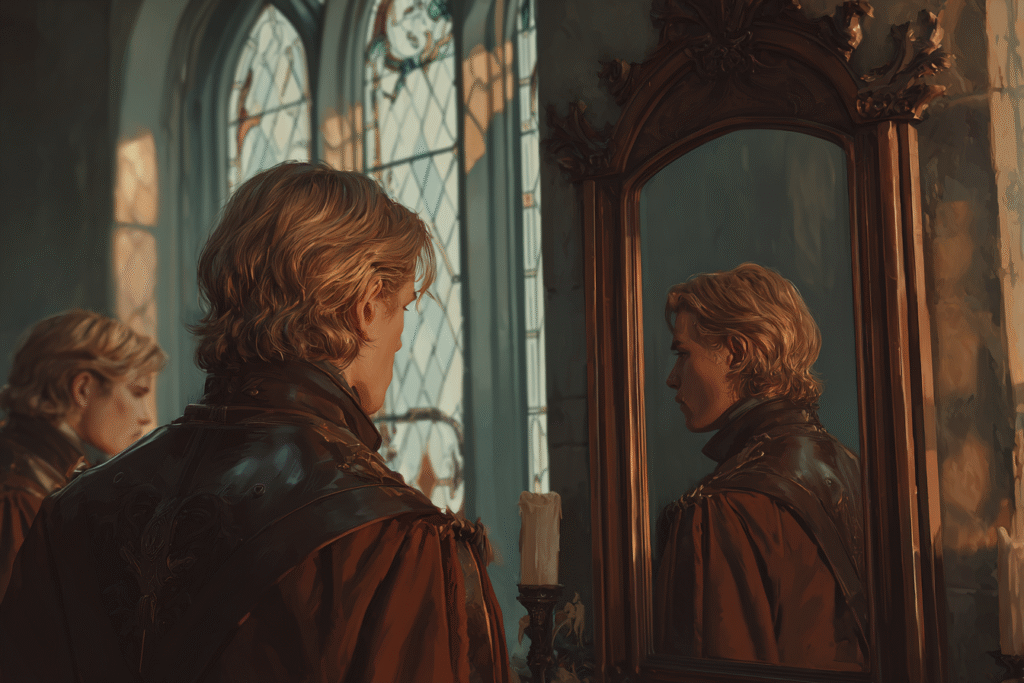
Stop Introducing Your Characters

Stop introducing your characters. Readers don’t want a list of traits—they want the pleasure of discovering who someone is through action, dialogue, and the little details that make a story feel real. Trust your readers to connect the dots, and your fiction will become stronger, faster, and far more engaging.
The Recliner Is Not My Friend

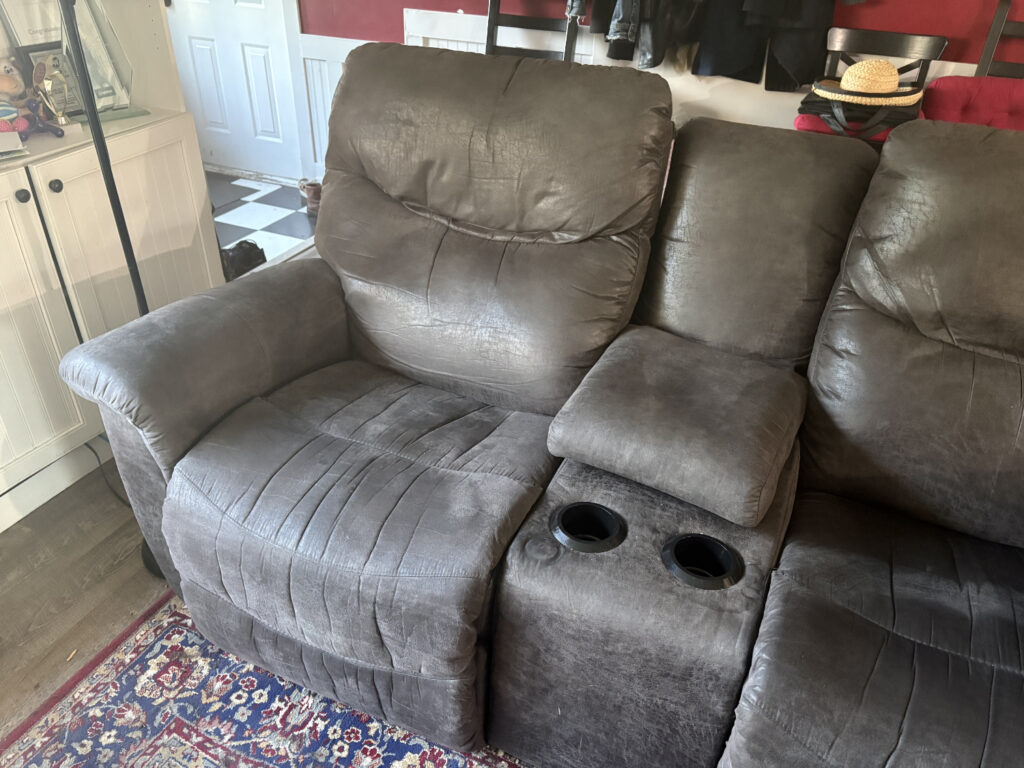
Some writing obstacles aren’t plot problems or lack of inspiration—they’re upholstered. After unexpectedly finishing an entire chapter of Fall From Grace in a single day, I discovered the biggest difference wasn’t my writing. It was where I sat. The recliner I’d always considered a harmless pre-writing stop had quietly become the world’s most comfortable procrastination machine.

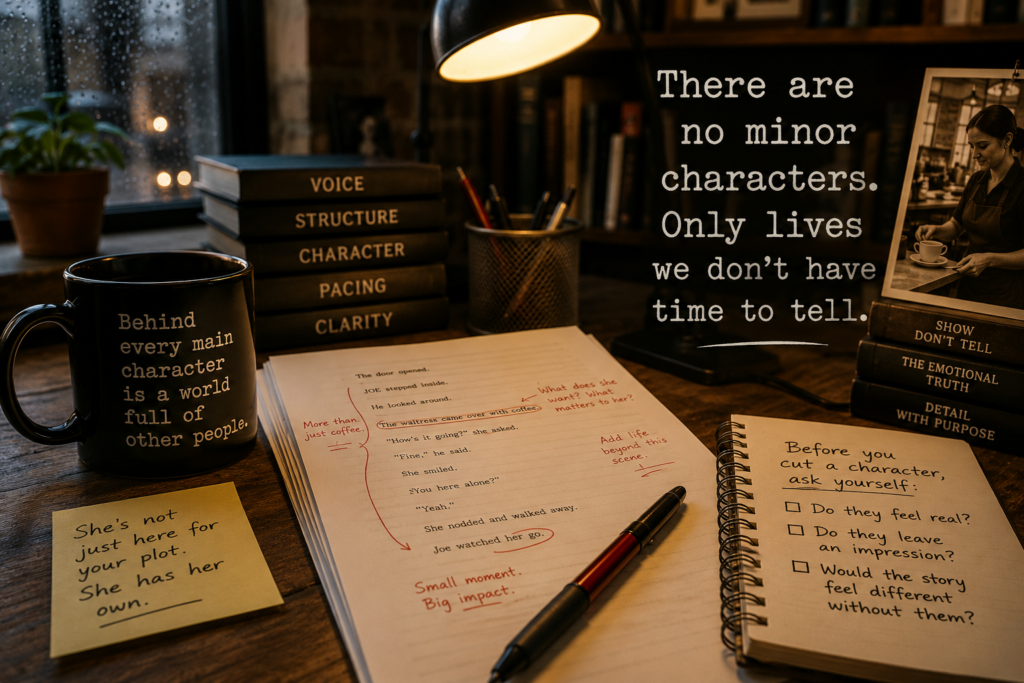
There Are No Minor Characters

Some of the most memorable people in our lives were never the main characters. The same is true in fiction. If your supporting characters exist only to deliver information or move the plot along, your story misses an opportunity to create a richer, more believable world. Every character should feel like they have a life beyond the page.

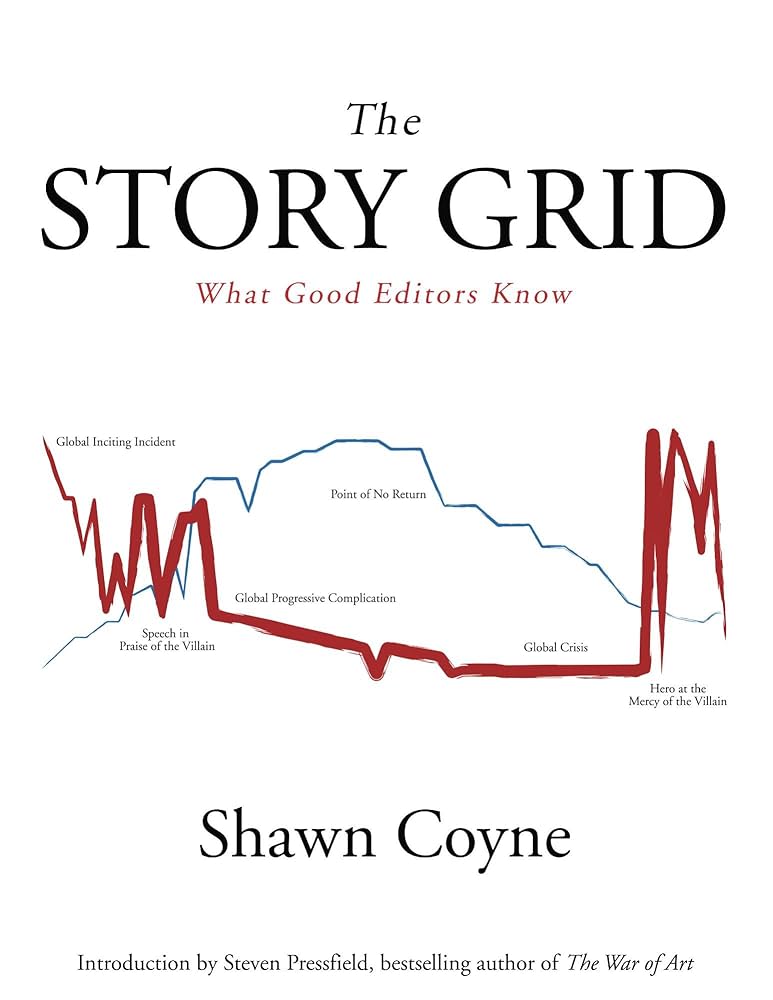
The Three Writing Books I Return To Again and Again (And Why You Should, Too)

Writers collect craft books the way other people collect unread classics and half-finished notebooks: with tremendous optimism and the vague sense that owning them counts as progress. But a few books earn their place beside the desk because they’re not just inspiring—they’re useful. In the first of this series, Mark looks at why The Story Grid has become one of the writing books he returns to again and again: because when a manuscript goes sideways, this is the book that explains why.

The Comfortable Manuscript Problem

There’s a point in many manuscripts where the story quietly pulls back. The conflict softens, the dialogue becomes safer, and characters make the reasonable choice instead of the revealing one. The result is a manuscript that is technically good—but often forgettable. The moments readers remember are rarely the comfortable ones.

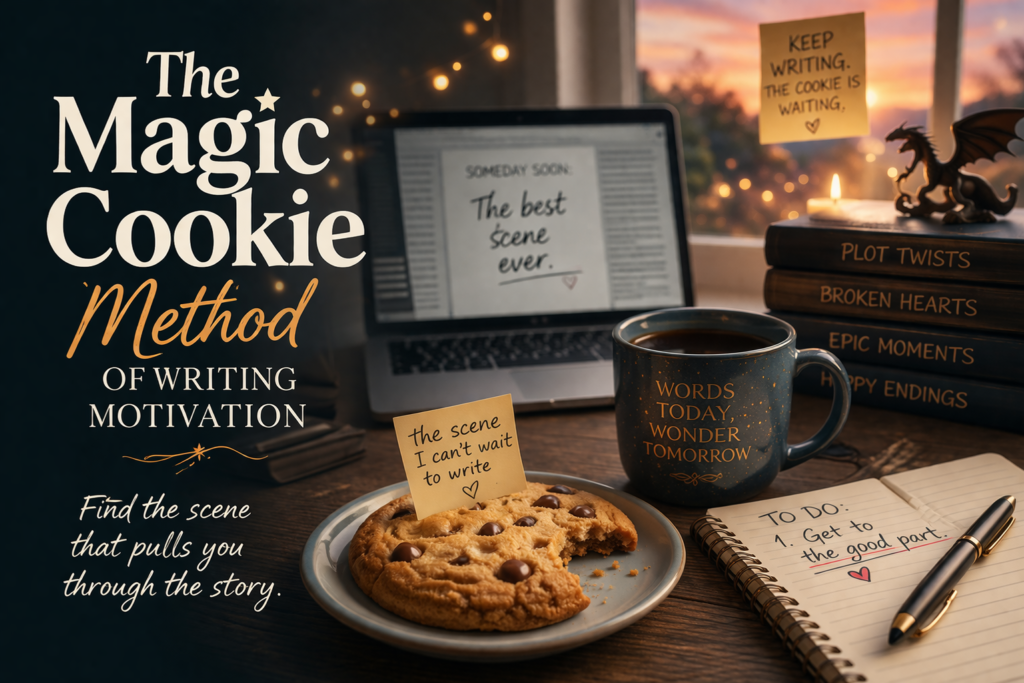
The Magic Cookie Method of Writing Motivation

When writing starts to drag, the problem often isn’t laziness or lack of discipline — it’s that you’ve lost sight of what you’re writing toward. In this post, I explore the “magic cookie” method: finding the one scene, moment, or beat in your story that excites you enough to pull you through the difficult middle. Because sometimes the best cure for procrastination is knowing there’s something wonderful waiting a few chapters ahead.

The Power of Knowing Your Character’s Arc (Before You Start Writing)

Writing a story without understanding your main character’s arc is like driving cross-country blindfolded — you might arrive somewhere, but odds are it won’t be where you meant to go. Every protagonist travels an emotional and psychological path, changing (or refusing to change) because of the story’s events. When you understand that inner journey — and how it collides with the outer, plot-driven one — every scene gains purpose, every choice deepens meaning, and your rewrite count drops dramatically. Know your hero’s lie, the truth they need to learn, and what the story will throw at them to force that transformation. Everything else flows from there.

Shopping Basket
Scroll to Top