pacing

What Serial Fiction Can Teach Writers

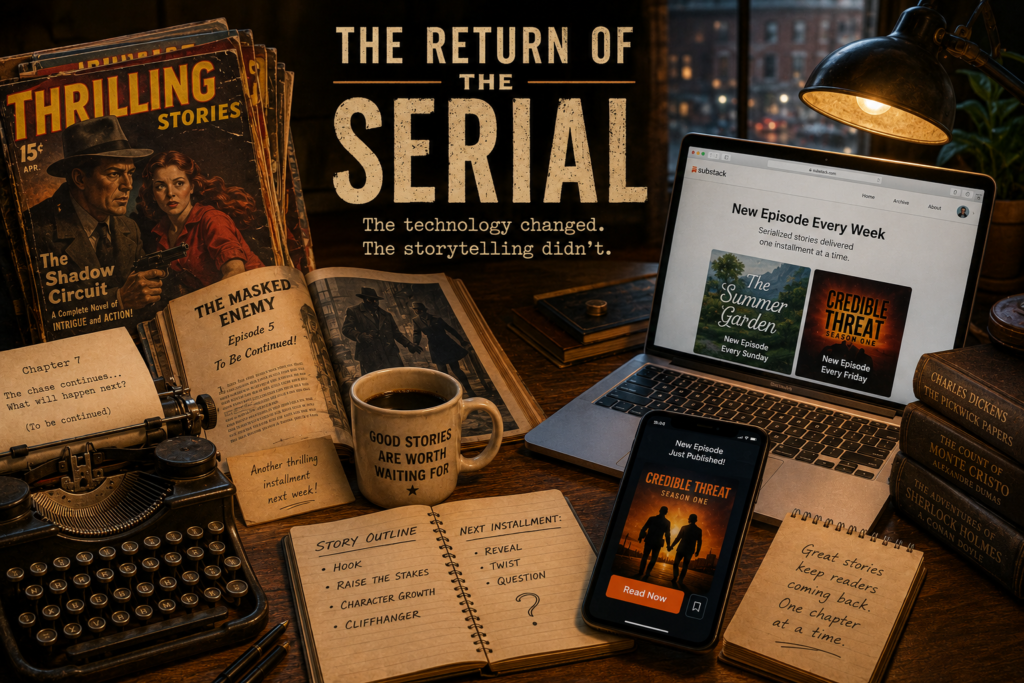
Most writers think of serial fiction as a publishing format. Mark Posey argues it is something even more valuable: a practical lesson in storytelling craft. Because every installment must earn a reader’s return, serial fiction exposes weaknesses in pacing, structure, and chapter endings that can hide inside a completed novel. The skills it teaches—curiosity, momentum, and reader engagement—strengthen every form of storytelling.
Introspective Narration: Brilliant Storytelling or Brake Pedal?

There’s a fine line between emotional depth and narrative quicksand. Introspective narration can elevate a story into something unforgettable—or bring the pacing to a grinding halt. The difference usually comes down to one question: is the reflection adding something the scene itself cannot? When done well, introspection deepens character and theme. When overused, it turns into literary speed bumps disguised as wisdom.

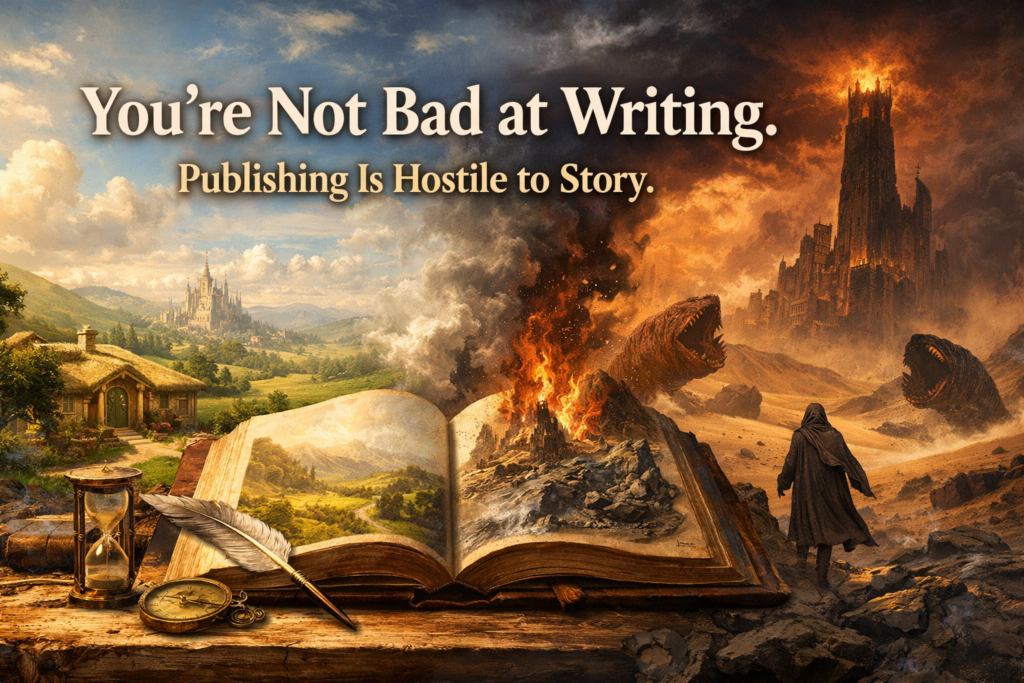
You’re Not Bad at Writing. Publishing Is Hostile to Story.

Storytelling hasn’t failed readers — publishing culture has simply become suspicious of it. If you’re being told to slow down, soften conflict, or “let the story breathe,” the problem may not be your writing at all. It may be that you’re telling stories in a moment that prefers experience over consequence.

Mastering the Scene: Why Your Novel Depends on It

A novel isn’t a pile of words—it’s a chain of well-built scenes. This post breaks down the five parts of a powerful scene (from Inciting Incident to Resolution) and why scene craft is the difference between a draft and a publishable book.

Shopping Basket
Scroll to Top