reader engagement

Why Serial Fiction Might Be Ready for a Comeback

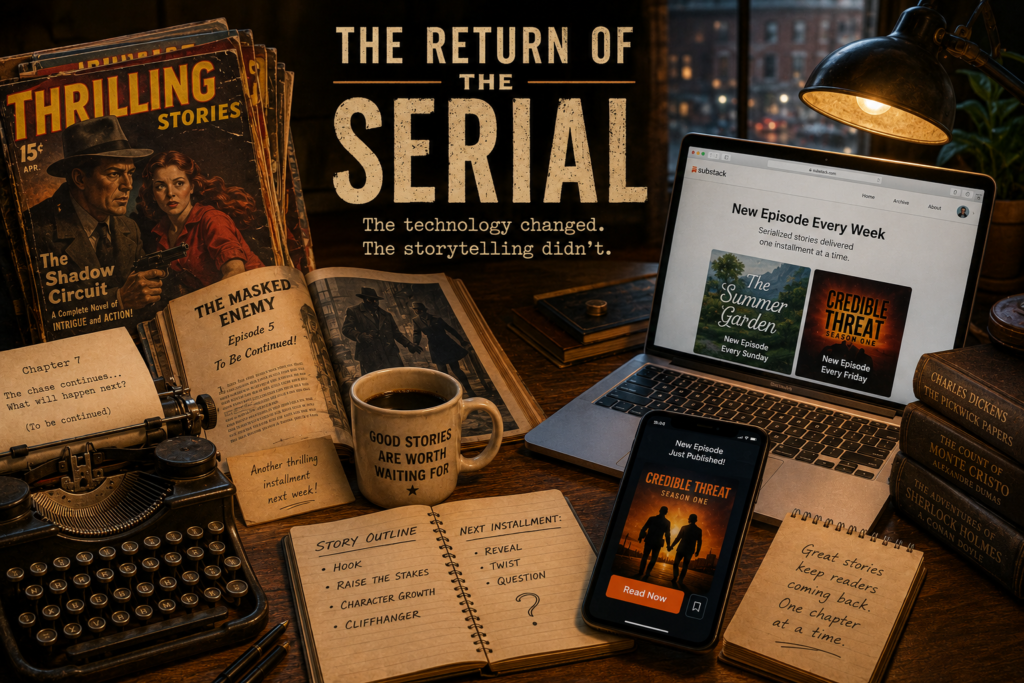
Serial fiction may look old-fashioned, but today’s audiences consume serialized stories everywhere—from television and podcasts to newsletters and streaming platforms. As publishing tools evolve, serialization offers new ways for readers to discover stories, engage with characters over time, and become part of an ongoing reading experience.

What Serial Fiction Can Teach Writers

Most writers think of serial fiction as a publishing format. Mark Posey argues it is something even more valuable: a practical lesson in storytelling craft. Because every installment must earn a reader’s return, serial fiction exposes weaknesses in pacing, structure, and chapter endings that can hide inside a completed novel. The skills it teaches—curiosity, momentum, and reader engagement—strengthen every form of storytelling.

The Most Valuable Reader You Will Ever Have

Discovery matters. Visibility matters. But the most valuable reader you’ll ever have isn’t the one who finds your book. It’s the one who chooses to stay connected after they do. Direct sales aren’t just about revenue—they’re about building relationships that can outlast platforms, algorithms, and marketplace changes.

Direct Sales and Removing Drag

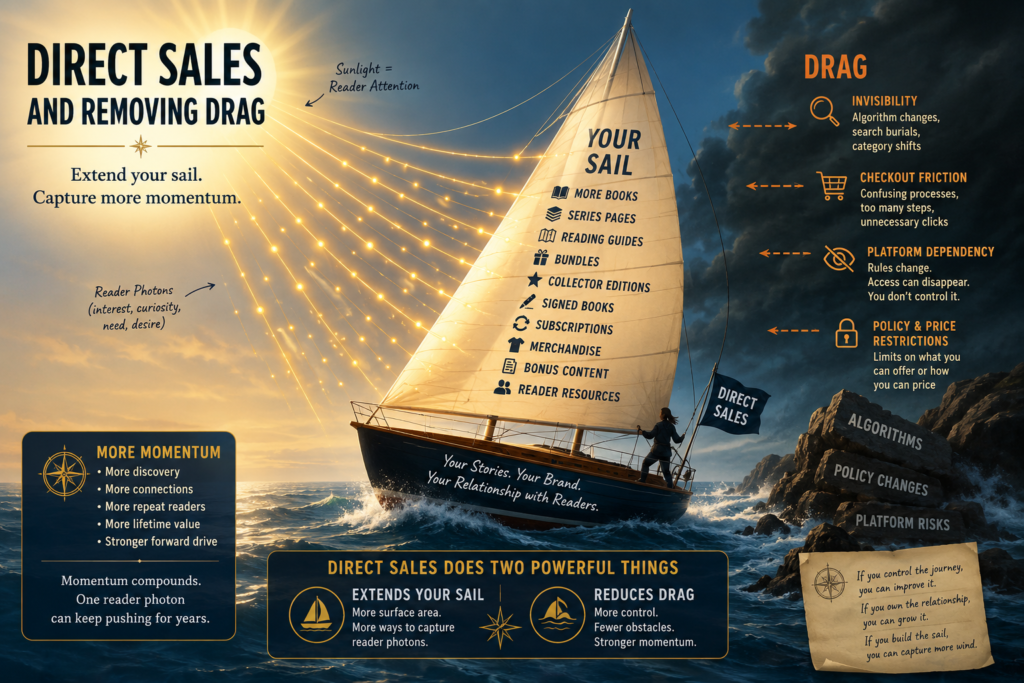
Selling direct isn’t just about keeping a larger share of the sale. From a Solar Sail Theory perspective, direct sales does something even more valuable: it extends your sail and reduces drag at the same time. Every product page, bundle, subscription, and reader resource becomes another opportunity for discovery, while direct relationships with readers create momentum that can continue for years. At the same time, selling direct reduces your dependence on retailer algorithms, visibility changes, and platform policies. Sometimes the best business decisions solve more than one problem at once—and direct sales is one of them.

Being Seen: Why Visibility Matters More Than Virality

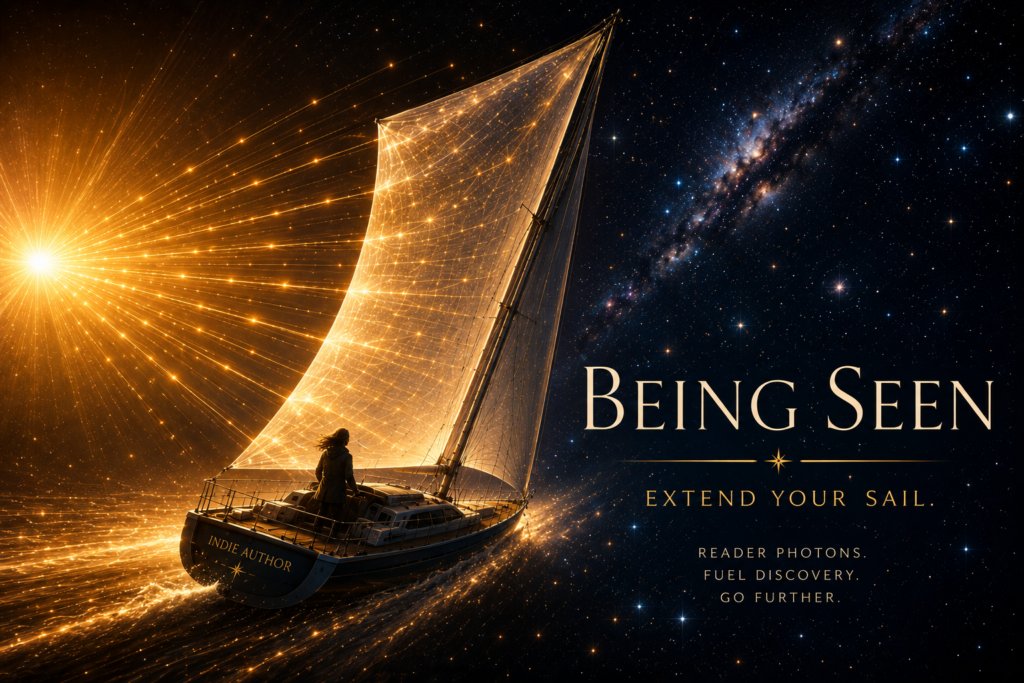
Most indie authors think “marketing” means chasing algorithms, posting endlessly on social media, and trying to become an influencer. No wonder so many writers recoil from it. But the “Being Seen” part of Solar Sail Theory is much simpler — and far more sustainable. You are not trying to become famous. You are trying to become findable. Visibility that compounds over time, through podcasts, guest posts, searchable discussions, live events, and relationships, creates a sail that keeps catching reader photons long after the original effort ends.

The Solar Sail Theory of Indie Publishing

Daily sales are sinking. Organic reach has collapsed. AI-generated sludge is flooding storefronts while retailers tighten their grip on discoverability. Indie authors are being told to do more of everything — more books, more ads, more social media, more platforms — while the systems underneath us become increasingly unstable and hostile.

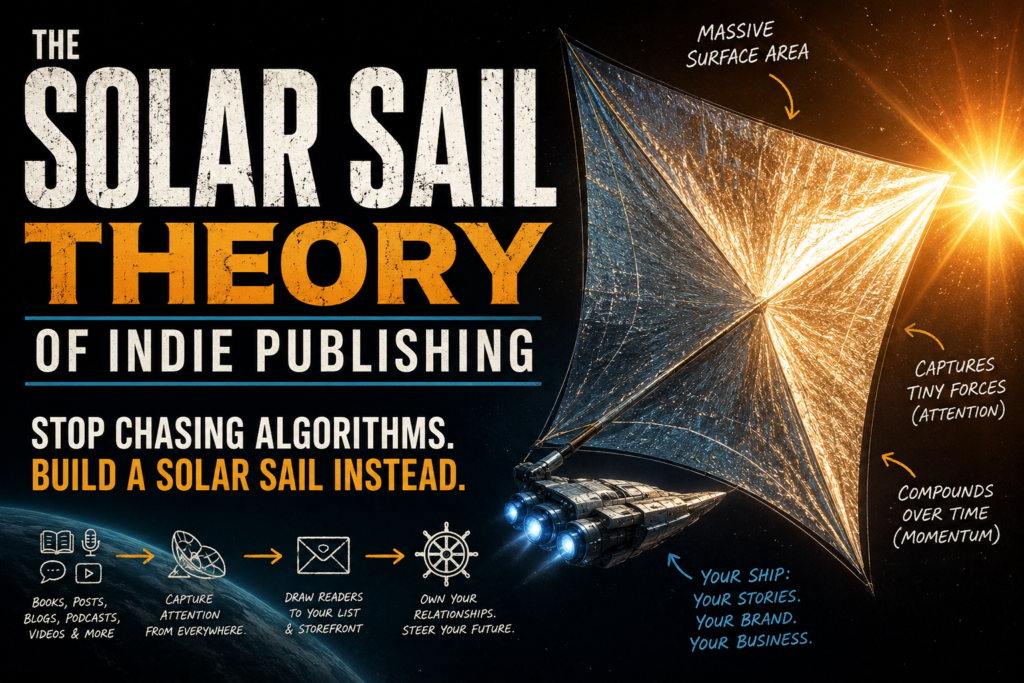
The Solar Sail Theory of Indie Publishing offers a different approach.

Instead of chasing endless “rocket launch” marketing spikes, authors can build long-term momentum by expanding their discoverable surface area across the internet and in real life, then channeling that attention into owned reader relationships through websites, email lists, and direct sales.

A solar sail doesn’t move through explosive force. It moves by capturing thousands of tiny forces over time.

So can an indie author career.

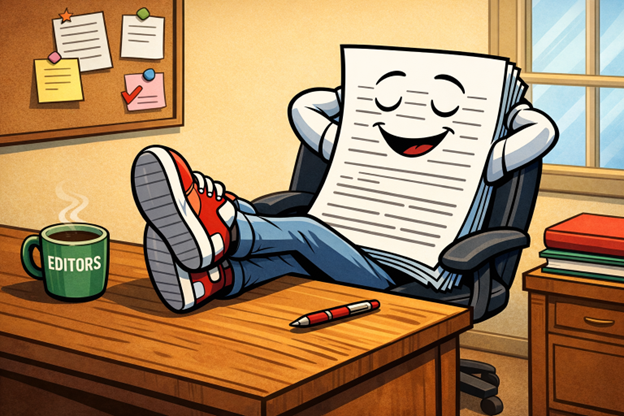
The Comfortable Manuscript Problem

There’s a point in many manuscripts where the story quietly pulls back. The conflict softens, the dialogue becomes safer, and characters make the reasonable choice instead of the revealing one. The result is a manuscript that is technically good—but often forgettable. The moments readers remember are rarely the comfortable ones.

No, It’s Not Your Imagination. Publishing Is Tough Now.

If it feels like publishing is tougher than ever — it’s not your imagination. The market is saturated, algorithms are pay-to-play, and readers are trained to expect endless content for pennies. But that doesn’t mean you’re doomed. It means the game has changed. And smart indie authors are adapting by building direct reader platforms, redefining success on their own terms, and learning to market without selling their souls. The old paths are gone — time to blaze your own.

Shopping Basket
Scroll to Top