SRP Editor

Five Things People Get Wrong About Small Presses

“Small press” gets used as shorthand for all sorts of assumptions — temporary, amateur, stepping stone. But size isn’t a synonym for casual. A real small press is a business with systems, strategy, and long-term intent. Here are five of the biggest myths people still get wrong — and what actually matters instead.


Anyone Quoting Black-and-White “Rules” About Writing Is Full of Crap

If someone is handing you absolute, black-and-white “rules” about writing, they’re full of crap.
Most of those commandments started life as reasonable cautions… before nuance died somewhere between a conference panel and a poorly edited podcast rant.

Real editors don’t enforce rules.
Real editors ask one question: Is this working for this story, this audience, this moment?

Follow every so-called rule perfectly and you won’t write a great book — you’ll just write a technically correct, emotionally flat one.
Rules can stop you from making mistakes.
They cannot help you make choices.
And writing is nothing but choices.

The Annual Ritual of the Writing Resolution

Writing resolutions fail for remarkably predictable reasons.
Not because writers are lazy or unserious—but because they aim too high, too vaguely, and too emotionally.

The writers who finish books aren’t the ones who promise themselves a perfect year.
They’re the ones who build systems that survive imperfect weeks.

Why Your Scene’s Setting Matters More Than You Think

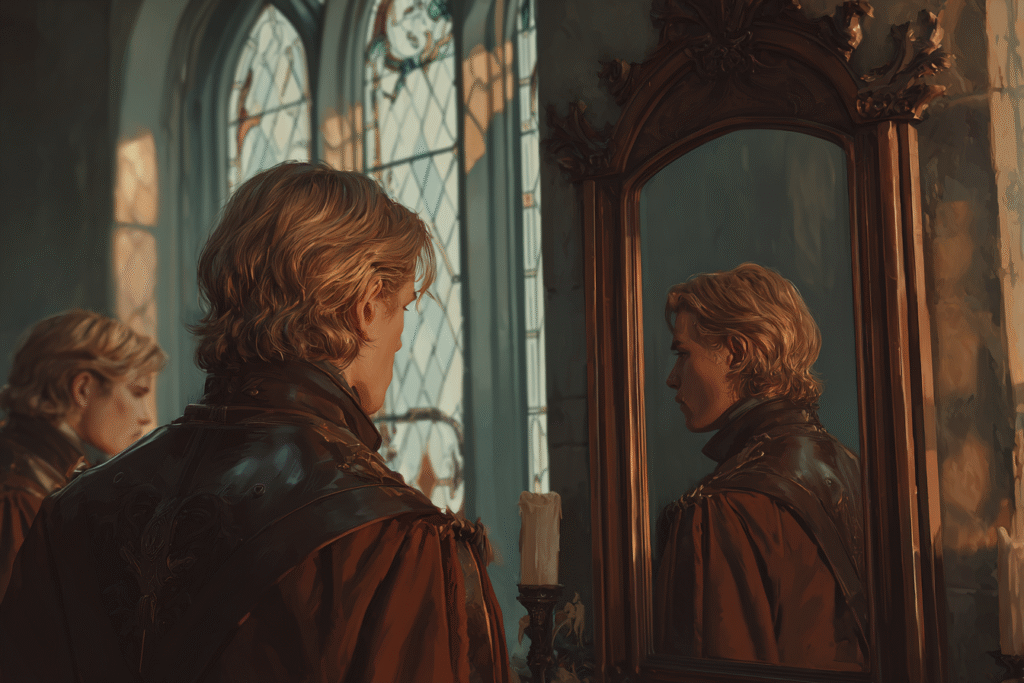
Setting isn’t wallpaper. It’s the emotional engine under every scene you write. A confession uttered beneath stained-glass saints is a completely different moment than one whispered in the soft half-light of a bedroom — same words, wildly different meaning. If a scene feels limp, nine times out of ten the setting is the culprit. Make the room work just as hard as the characters, and suddenly the whole story sharpens.

Mind Your @#$%& Mouth: Swearing in Fiction (And How Not to Mess It Up)

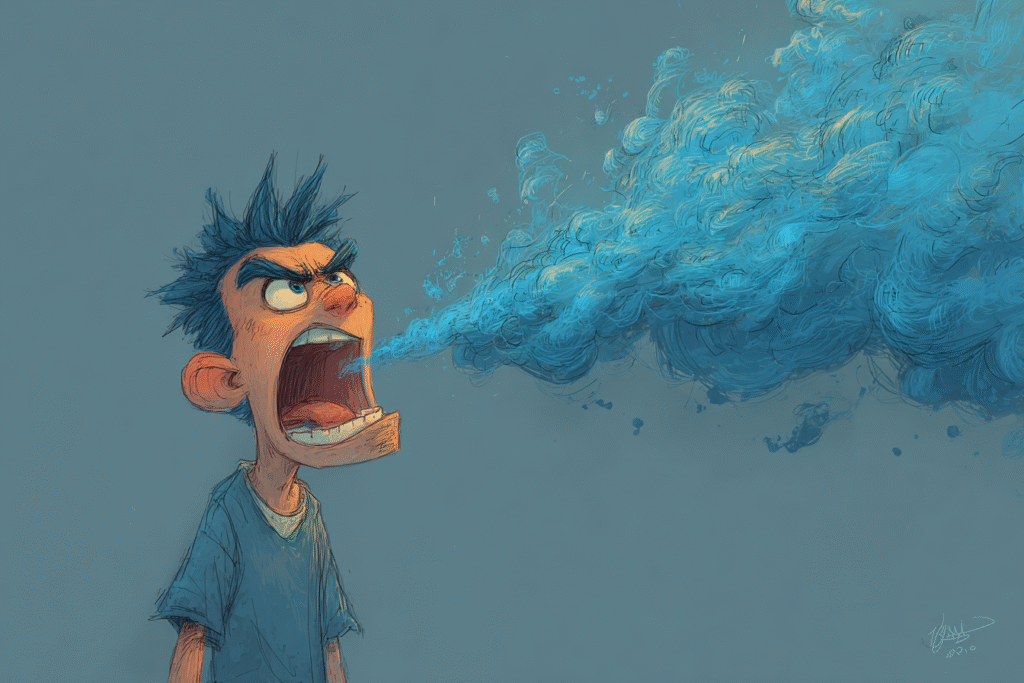
Writers love to worry about swearing — usually more than their characters do. The truth? Profanity isn’t “good” or “bad.” It’s a tool. A sharp one. Used well, it cuts cleanly through tension, reveals character, or snaps a moment into focus. Used poorly, it just bleeds all over the page.
In this post, Mark breaks down when swearing works, when it absolutely doesn’t, how genre affects your choices, and why every curse word has to be earned. If your characters are going to swear, make sure they mean it.

Trust Your Readers (They’re Smarter Than You Think—Usually)

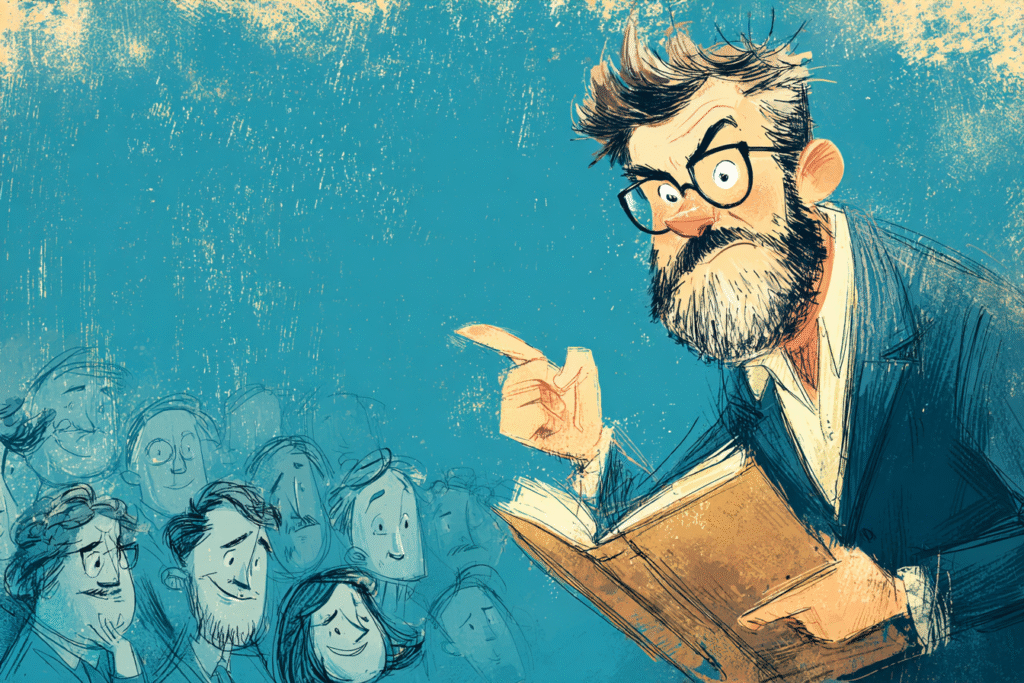
Readers aren’t toddlers in need of hand-holding—they’re highly skilled story-decoders who’ve been reading between the lines since grade school. They don’t need your theme underlined, highlighted, and surrounded by interpretive dance. In fact, the moment you over-explain, you kill the magic. Trust them to catch the subtext, feel the tension, and assemble the clues. Not only will your story be stronger for it—your readers will love you for letting them play along.

Old School vs New School Spy Thrillers

There was a glorious time — not as far back as dinosaurs, but far enough that you had to physically turn a page — when spy thrillers were built on tension. Real tension. The slow-burn, creeping dread variety that made you lean forward until you realized your spine was doing yoga poses you didn’t sign up for.

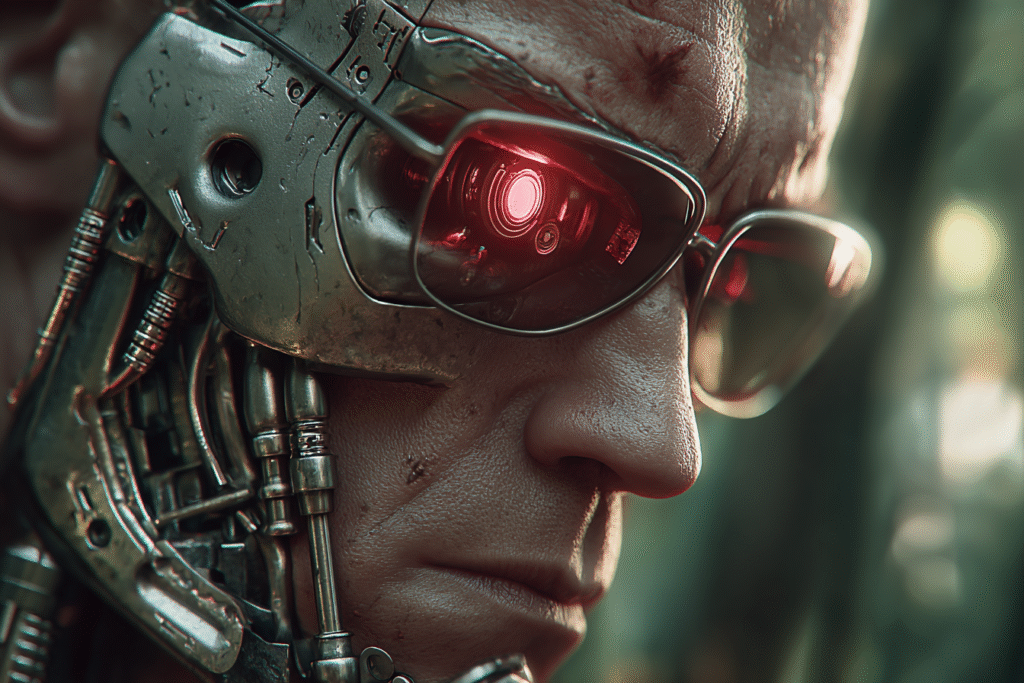
These were the days of The Bourne Identity, the early Bond novels, and le Carré’s Tinker, Tailor, Soldier, Spy — stories powered by paranoia, not pyrotechnics. Today, spy thrillers have traded that slow dread for weaponized anxiety and smartwatch hacking. But both eras have something to teach us about how to build suspense that sticks.

“What’s It About?” — The Question That Makes Everything Easier

Writers love to add more scenes, more twists, more explosions… but half the time the real problem is simpler: we don’t actually know what the story is about.
Once you can answer three deceptively basic questions — What’s it about? What will the protagonist learn? How will they change? — the whole book snaps into focus. Plot becomes purposeful. Scenes stop wandering. And suddenly you’re not writing 300 pages of Stuff That Happens™ — you’re writing a story with meaning.

The Power of Knowing Your Character’s Arc (Before You Start Writing)

Writing a story without understanding your main character’s arc is like driving cross-country blindfolded — you might arrive somewhere, but odds are it won’t be where you meant to go. Every protagonist travels an emotional and psychological path, changing (or refusing to change) because of the story’s events. When you understand that inner journey — and how it collides with the outer, plot-driven one — every scene gains purpose, every choice deepens meaning, and your rewrite count drops dramatically. Know your hero’s lie, the truth they need to learn, and what the story will throw at them to force that transformation. Everything else flows from there.

The Bigger They Are…

A “reasonable” villain might seem believable—but it’s also the fastest way to kill tension in your story. The best antagonists aren’t fair opponents; they’re towering, terrifying forces that make the hero dig deep and evolve. From Goliath to the Borg, it’s the impossible odds that make victory unforgettable.

Shopping Basket
Scroll to Top