suspense

Old School vs New School Spy Thrillers

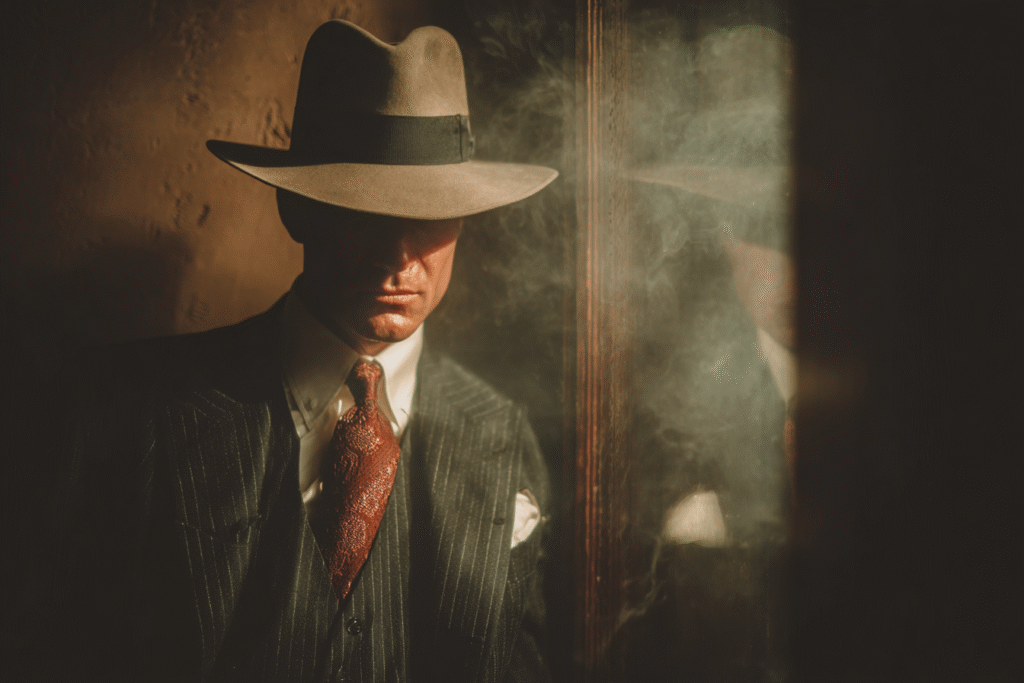
There was a glorious time — not as far back as dinosaurs, but far enough that you had to physically turn a page — when spy thrillers were built on tension. Real tension. The slow-burn, creeping dread variety that made you lean forward until you realized your spine was doing yoga poses you didn’t sign up for.

These were the days of The Bourne Identity, the early Bond novels, and le Carré’s Tinker, Tailor, Soldier, Spy — stories powered by paranoia, not pyrotechnics. Today, spy thrillers have traded that slow dread for weaponized anxiety and smartwatch hacking. But both eras have something to teach us about how to build suspense that sticks.

The Quietest Moments Are the Scariest

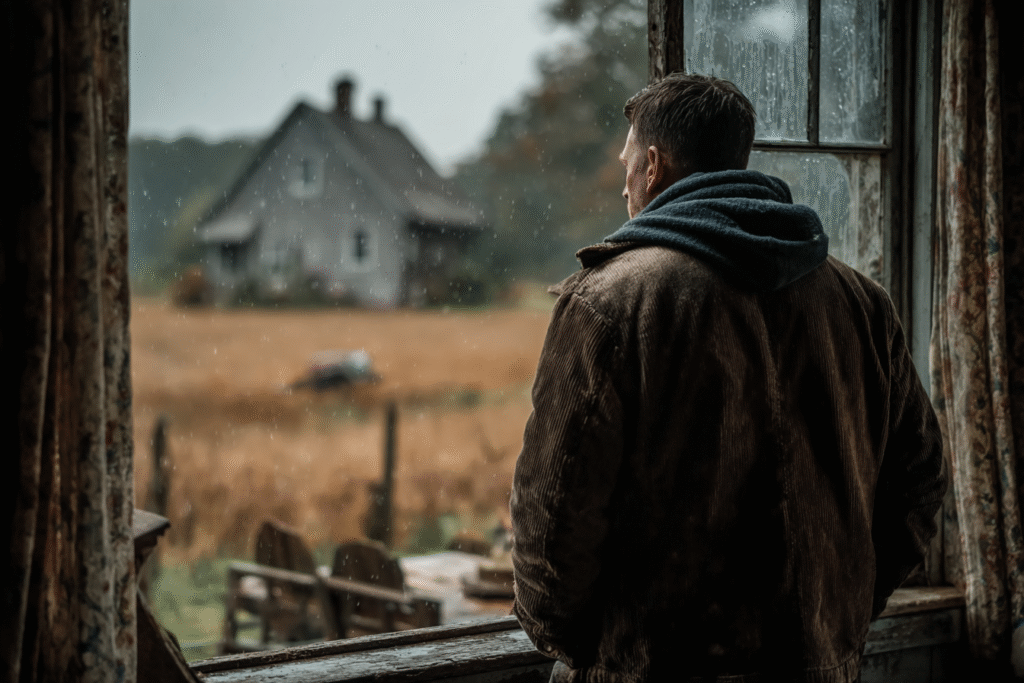
Big explosions are fun, but they’re not what makes a thriller truly terrifying. The real fear hides in the silence—the still moments when nothing’s happening, yet you know something’s about to. From No Country for Old Men to Saving Grace, Mark Posey explores why quiet scenes hit harder than gunfire—and why the pause before the door opens is the scariest sound of all.

How to Disappear in Plain Sight (Without a Q Branch Budget)

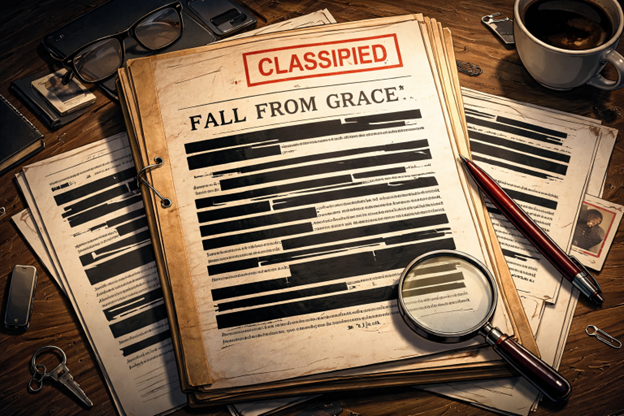
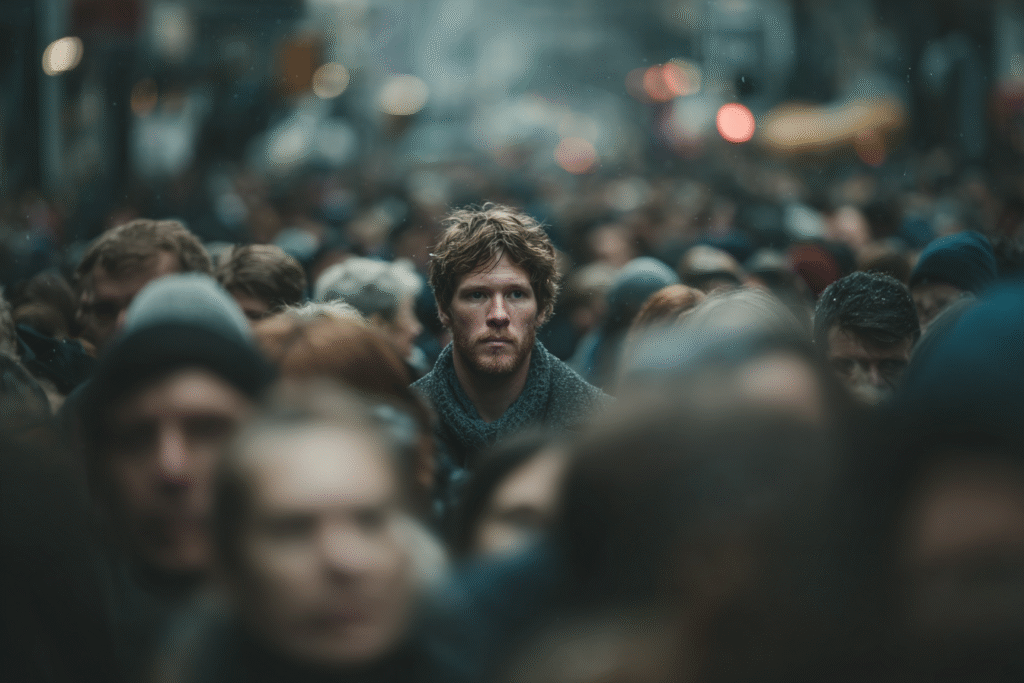
Disappearing isn’t about vanishing—it’s about confidence. From Angelina Jolie’s cool-headed makeover in Salt to Natasha Romanoff’s mall-date sleight of hand, the best spies don’t run; they blend. In fiction, that kind of composure is thrilling to watch—and in Fall From Grace, Thomas Billings is about to need every trick in the book.

Shopping Basket
Scroll to Top