women in history

Sybil Ludington: Teenage Girl vs. the British Empire (Sort Of)

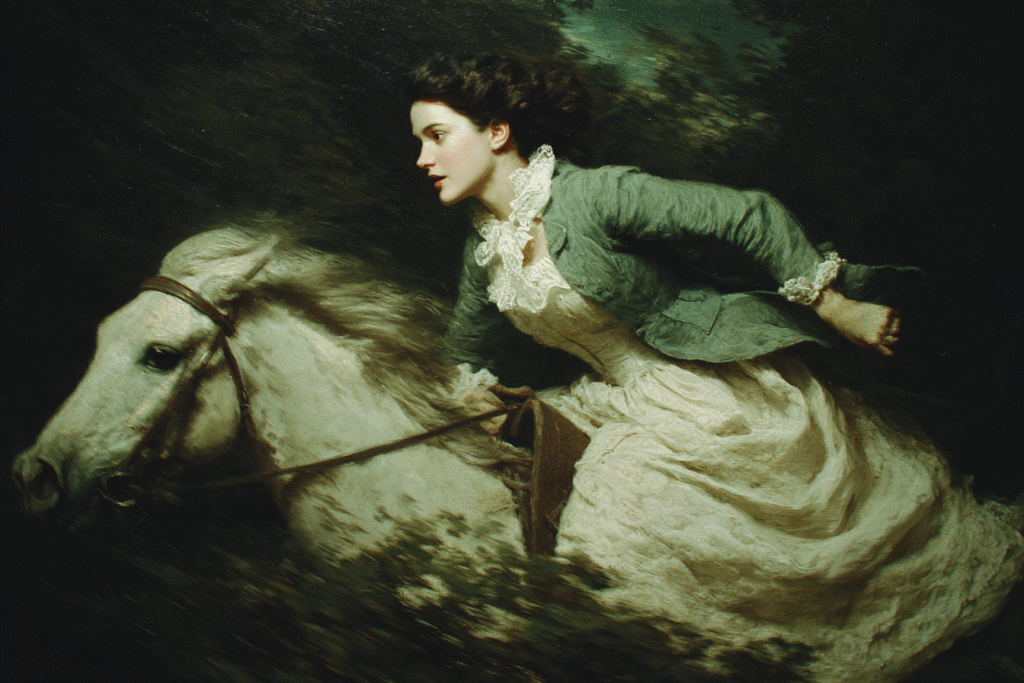
In 1777, sixteen-year-old Sybil Ludington may have ridden through a stormy night to rally a scattered militia—and possibly outshone Paul Revere while doing it. Or… maybe she didn’t. The truth is tangled in legend, but the story of a teenage girl rising to the moment (and then vanishing from history) is worth dusting off. Whether myth or memory, Sybil’s ride says a lot about the women history tends to forget.

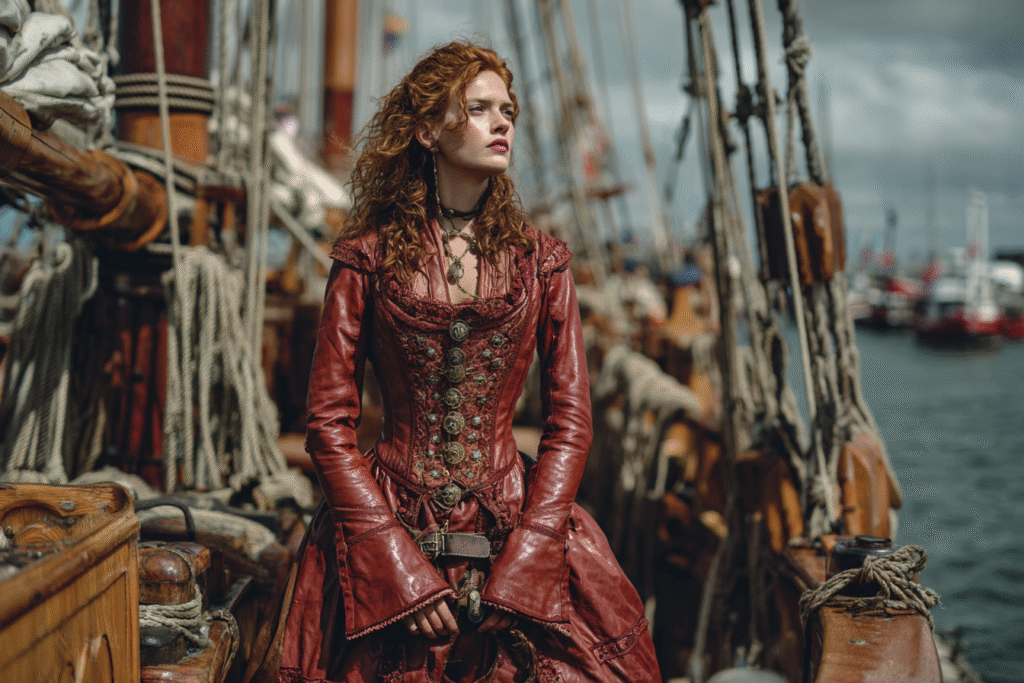
Grace O’Malley: Ireland’s Pirate Queen Who Refused to Stay in Her Lane

Grace O’Malley didn’t just defy the odds—she defied an empire. Born into a world where women were expected to fade quietly into the background, she carved out a life of rebellion, leadership, and high-seas adventure. From commanding a fleet to negotiating with Queen Elizabeth I, Grace rewrote the rules for what a woman could do—and dared anyone to stop her.

Boudicca: The Celtic Queen Who Dared Rome

Boudicca wasn’t just a queen—she was an inferno wrapped in iron. After the Romans flogged her and assaulted her daughters, she rallied her tribe and scorched a path through Roman Britain so fierce, it still smolders in the national memory. She’s not just part of history—she is history. And maybe, just maybe, she shares blood with Arthur himself. The stories blur. The legends tangle. But oh, what a tale they tell.

Ancient History vs. Medieval History: Why I’ll Take a Toga Over a Tabard Any Day

Why do I prefer ancient history over medieval? Because when it comes to science, culture—and especially women’s rights—the ancients had it going on. Celtic women owned property, led armies (hi, Boudicca), and could even shame their husbands for underperforming in bed. Compare that to medieval Europe, where married women basically vanished from the legal record. This post dives into why I’ll always pick a toga over a tabard, and why history, like fiction, is better when women get to speak.

Shopping Basket
Scroll to Top