writing fantasy

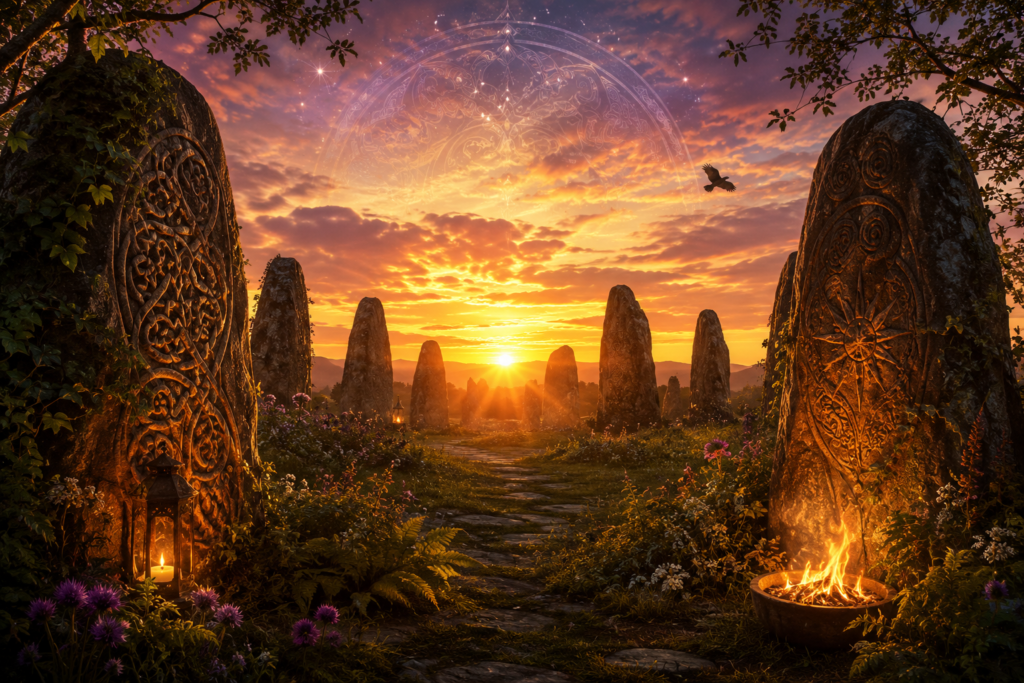
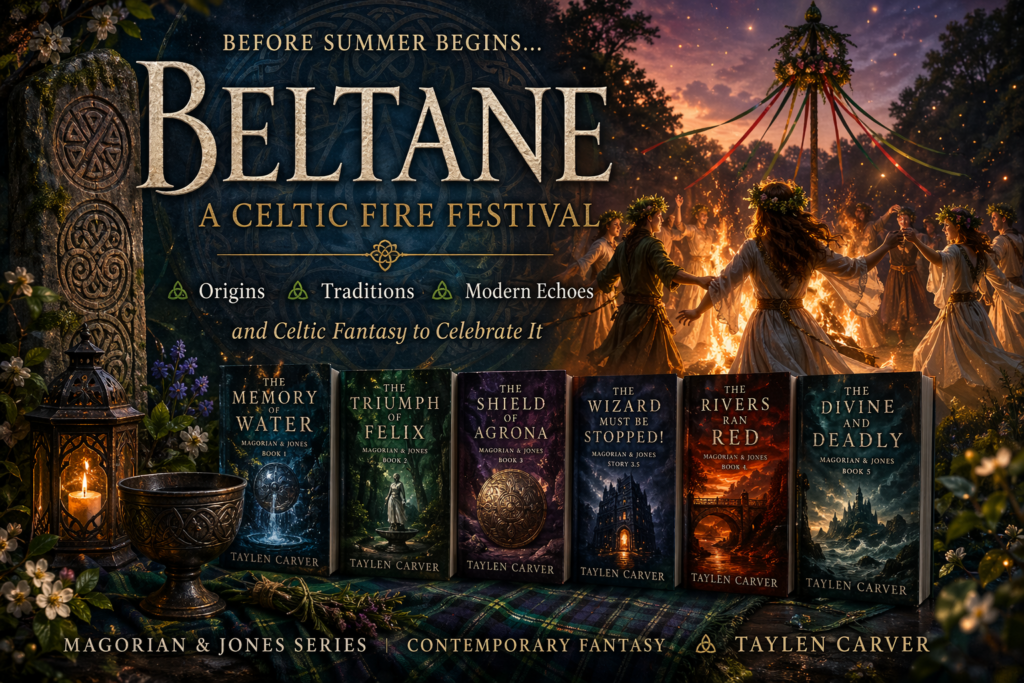
The Fire Before Summer: Beltane in History and Fantasy

Beltane, the ancient Celtic fire festival marking the beginning of summer, once stood as a powerful turning point in the year—a night of bonfires, fertility rites, and thinning veils between worlds. Though largely forgotten today outside neo-pagan circles, Beltane still echoes through Celtic-inspired fantasy, where it often serves as a moment of magic, transformation, and looming consequence. In this post, we explore the origins of Beltane, how it was celebrated, and why it continues to shape modern fantasy storytelling—including its pivotal role in The Rivers Ran Red and other Celtic-influenced works.

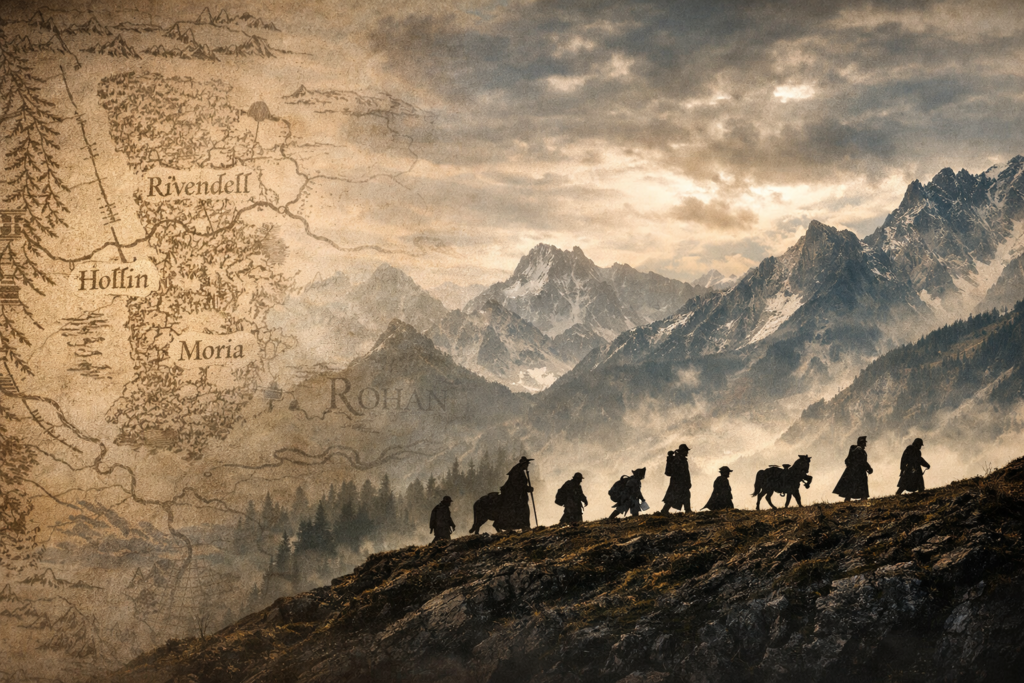
Why Fantasy Worlds Feel Smaller Than Middle-earth

Fantasy maps have the same problem as those diagrams of the Earth and the Moon: they make impossible distances look deceptively small. A quarter-inch on the map between Rivendell and Hollin hardly seems worth mentioning—until you realise the Fellowship spent weeks walking it. Why does Middle-earth feel so much larger than other fantasy worlds, even worlds that are technically bigger? The answer may lie not in the map itself, but in the long, cold, weary miles between the names.

Why Bridges Are Always Trouble in Fantasy

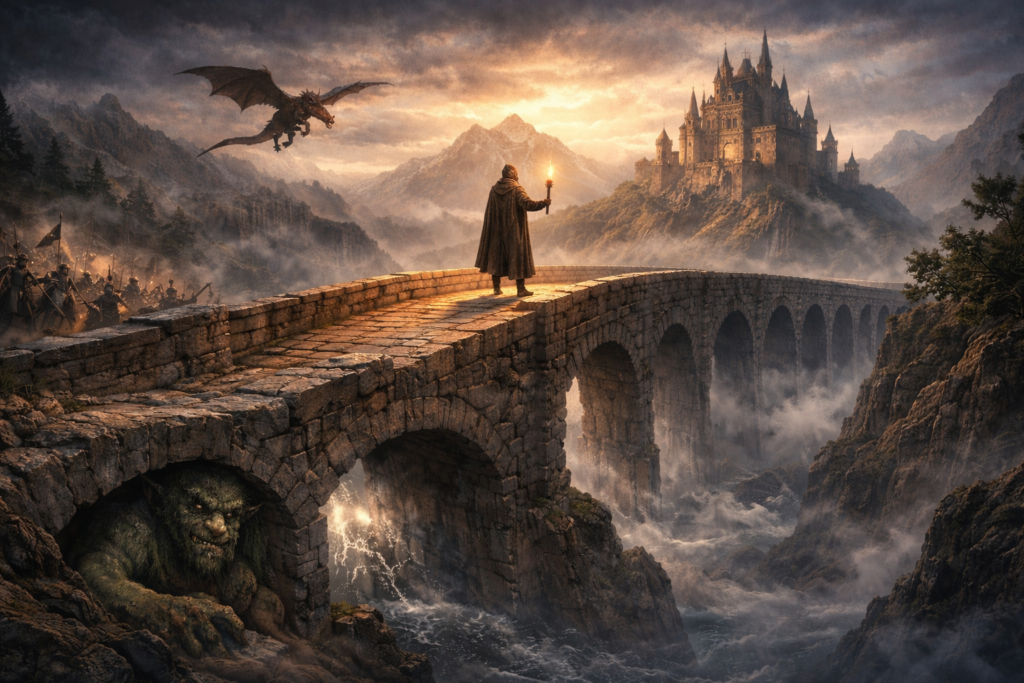
Bridges look simple, but they quietly reshape the world around them. From Tolkien’s Last Bridge to the rainbow span of Bifröst, bridges in fantasy turn geography into decisions, create natural chokepoints, and mark the crossing from one world into another. As history shows—from Roman Corbridge to the Rhine in 1945—who controls the bridge often controls the story. Which may be why so many unforgettable fantasy moments happen right in the middle of one.

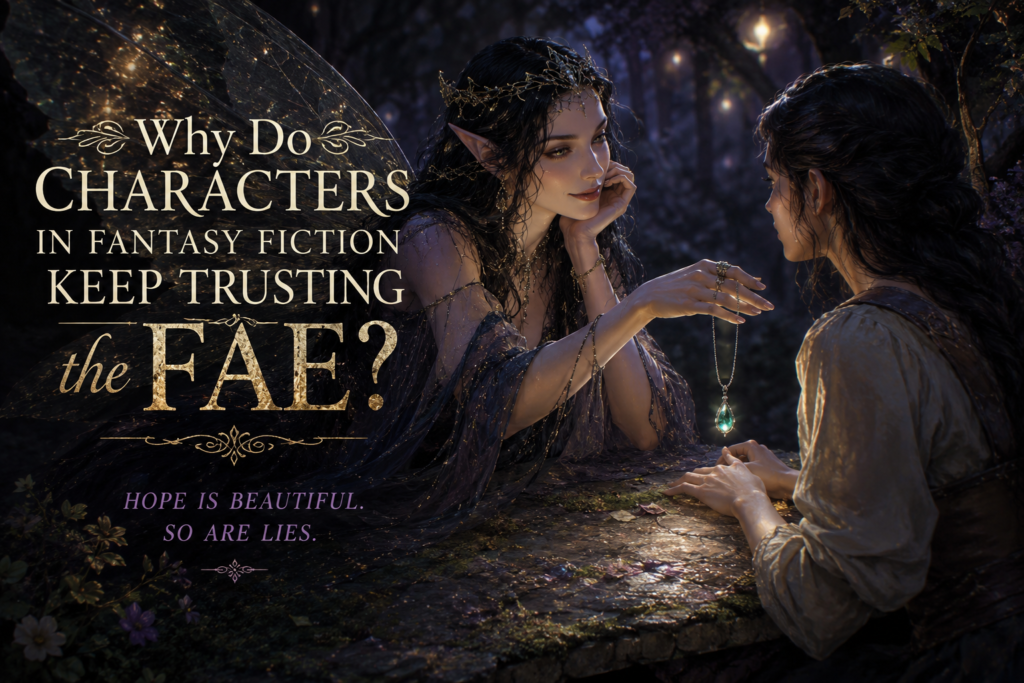
Don’t Mess With Fairies

Fairies aren’t small, sweet, or safe. In modern fantasy, the Fae are terrifying, full-sized, and operating on their own brutal logic. From Charlaine Harris to Holly Black, this post explores the sharp-toothed truth behind the folklore—and why I prefer my fairies dangerous.

Pretty But Wrong: The Problem With Fantasy Town Maps

Towns don’t just pop into existence because a hero needs a tavern. They grow around water, trade routes, resources—and they carry the scars of their own history. As a writer (and a lifelong map nerd), I can’t help studying fantasy town maps like archaeological sites. If the layout doesn’t tell me why the town exists, where it started, or how it grew, then something’s missing. Let’s talk about crooked streets, suspicious bridges, and why Hobbiton is pretty but perplexing.

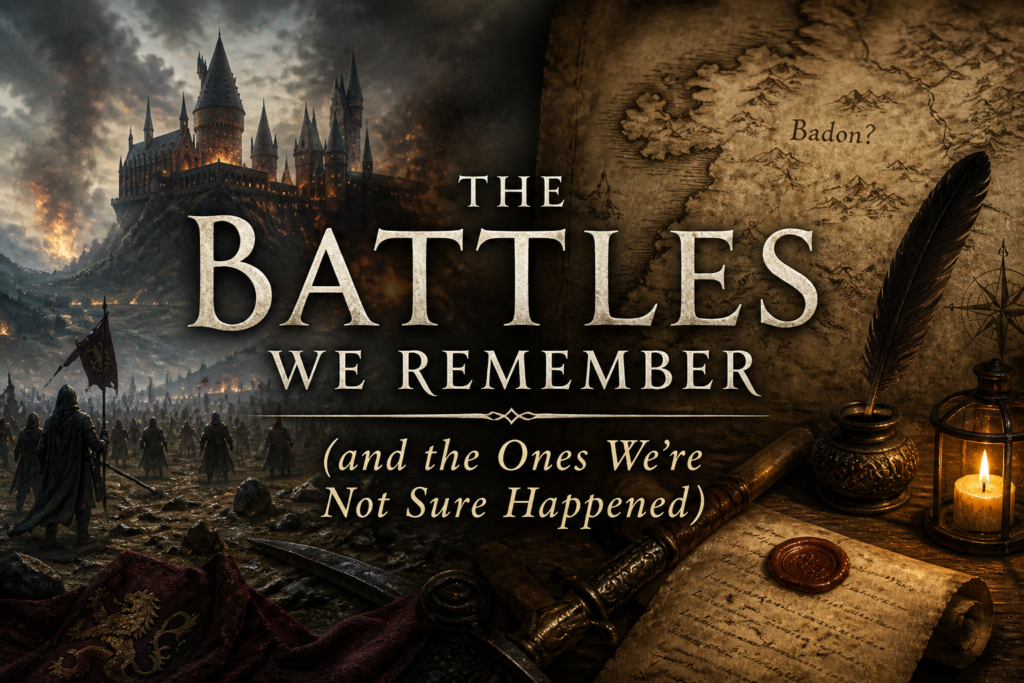
Beautiful Lies: The Problem With Fantasy Maps (And Why I Still Love Them)

I’ve been obsessed with maps since before I knew what fantasy was. The kind you unfold like treasure, with winding rivers, tiny illegible place names, and the promise of ancient secrets hidden in the margins. In my own stories, the map comes first—and sometimes refuses to budge. Which is probably why I have strong feelings about Tolkien’s very tidy mountain problem. Let’s talk about the beauty, the lies, and the suspicious tectonics of fantasy cartography.

Shopping Basket
Scroll to Top