December 2025

The Devil in the Details: Daredevil, Fantasy, and the Metaphysical Mask

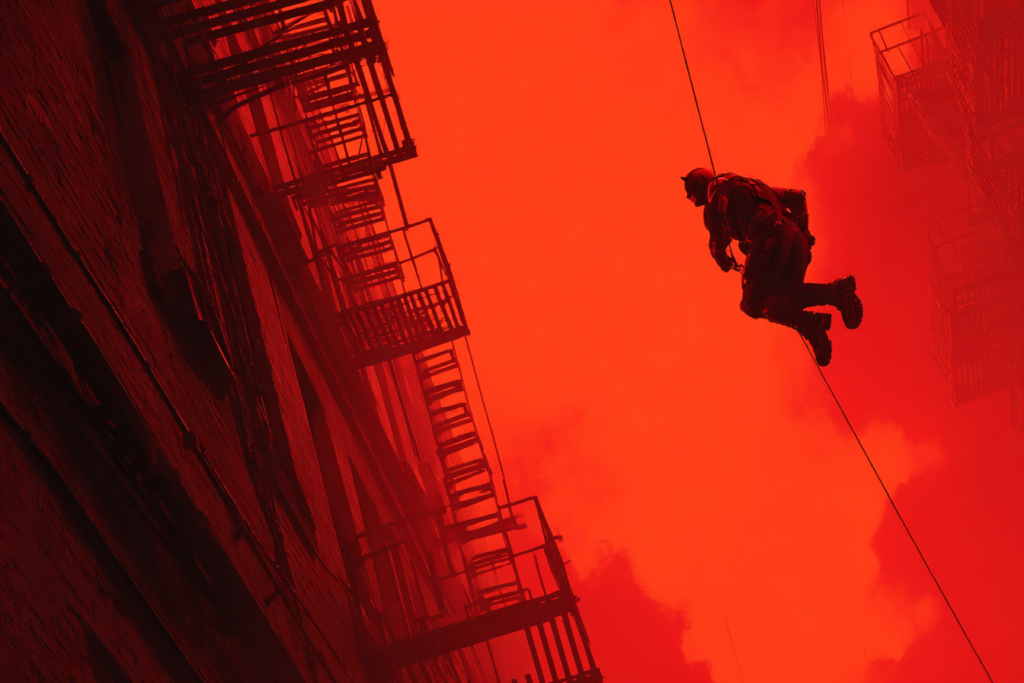
In the latest season of Daredevil, Marvel trades spectacle for something stranger — a gritty, emotionally charged story that feels less like superhero fiction and more like urban fantasy wrapped in metaphysical angst. With sharp moral ambiguity, subtle symbolism, and just enough bloodied knuckles to make a point, this is a show that doesn’t just ask who’s right or wrong — it asks what right and wrong even mean.

Why Your Scene’s Setting Matters More Than You Think

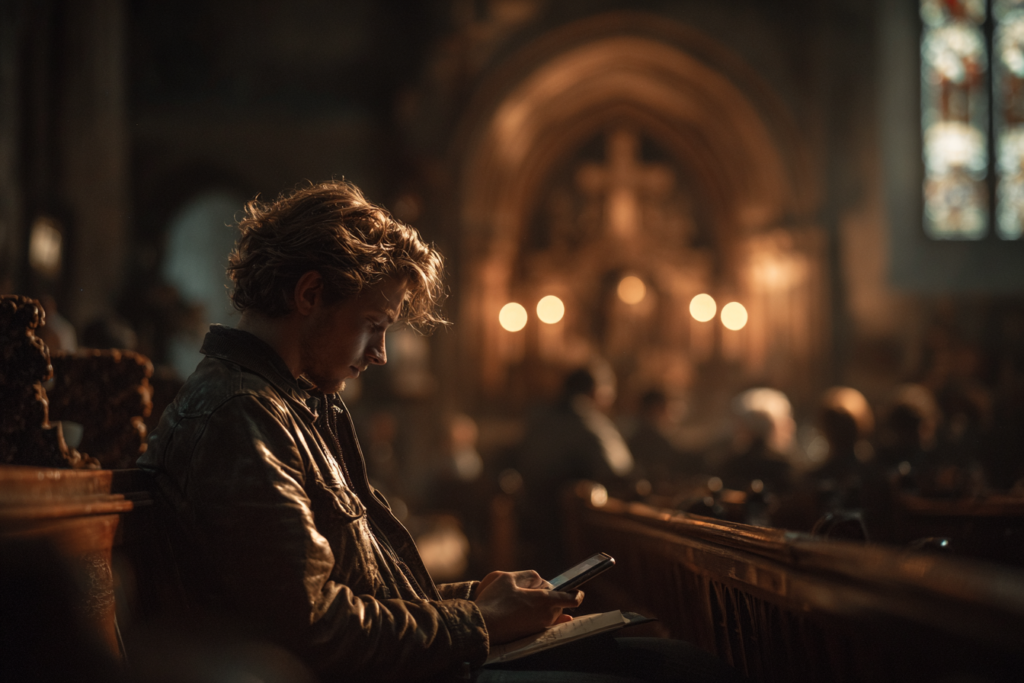
Setting isn’t wallpaper. It’s the emotional engine under every scene you write. A confession uttered beneath stained-glass saints is a completely different moment than one whispered in the soft half-light of a bedroom — same words, wildly different meaning. If a scene feels limp, nine times out of ten the setting is the culprit. Make the room work just as hard as the characters, and suddenly the whole story sharpens.

Three Weeks Until Christmas… Already?!

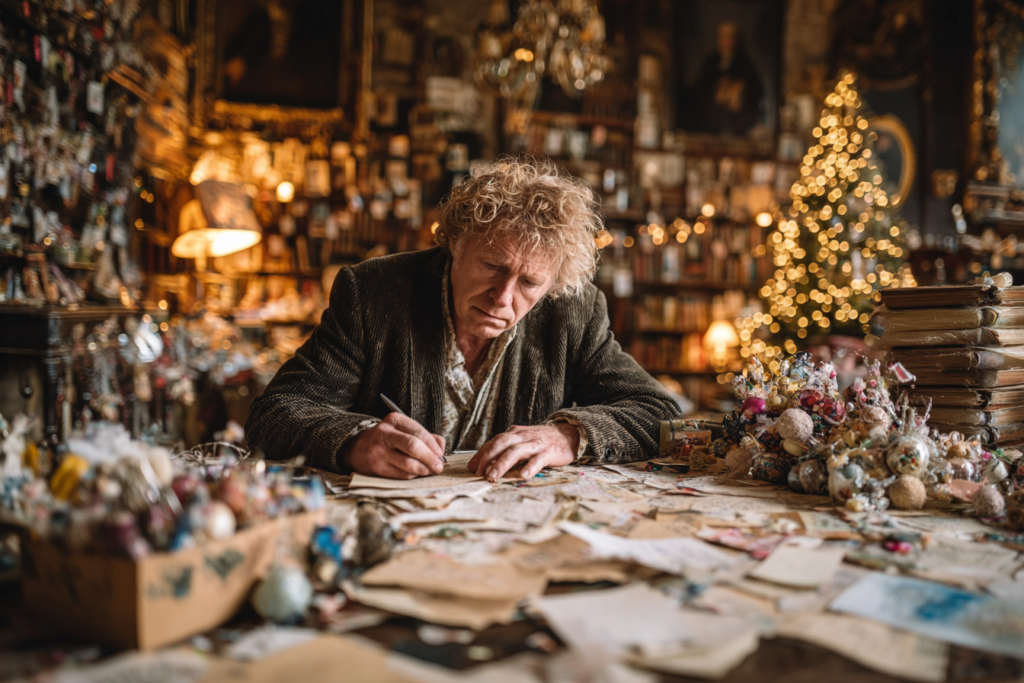
Christmas has a talent for going delightfully off the rails — and honestly, that’s half the charm. This week on Mark’s blog, we’re diving into the beautifully imperfect moments that make the season unforgettable. From last-minute chaos to wobbly traditions and the kind of family stories that only happen when everyone embraces the madness, it’s all fair game. What’s your most memorable Christmas — heartwarming, disastrous, or somewhere in between?

Ningaloo: Deadly, Beautiful, and Still Real

In Ningaloo Nights, the stunning Australian outback isn’t just a backdrop—it’s a character all on its own: beautiful, remote, and deadly if you don’t know what you’re doing. When beta readers questioned whether I’d exaggerated the dangers, I had to assure them—every survival detail in the book is true. Growing up around Ningaloo taught me that nature doesn’t pull punches. But oh, the beauty is worth every ounce of caution.

The Big Kickoff

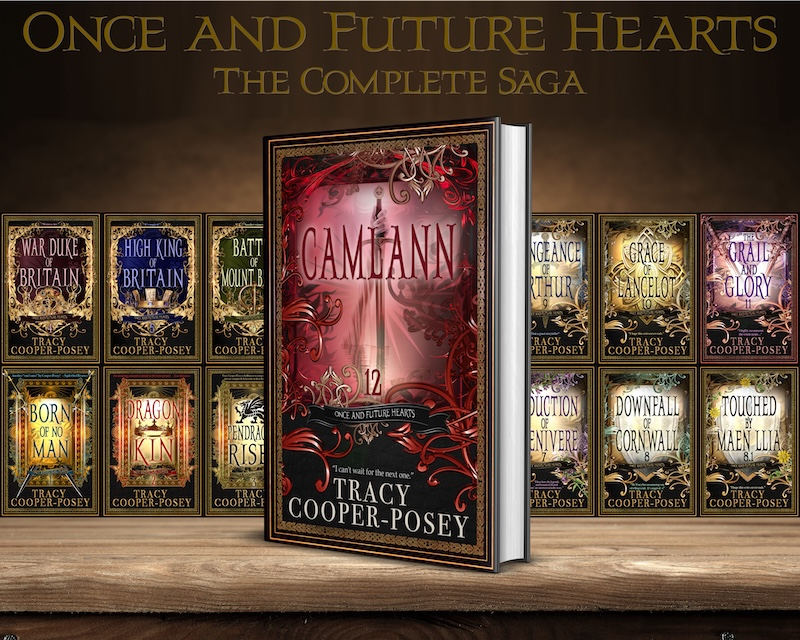
After thirteen books, too many late nights, and a kingdom’s worth of research, the Once and Future Hearts series is finally drawing to a close — and we’re going out with a bang. For the first time ever, we’re releasing a 13-book hardcover collector’s set, exclusive to Kickstarter. If you’ve loved this saga — or are just discovering it — this is your chance to own the entire series in a beautiful, keepsake edition… and get the final book, Camlann, six months ahead of the public release.

Curious? Click “Notify Me on Launch” and help make some Arthurian magic happen.

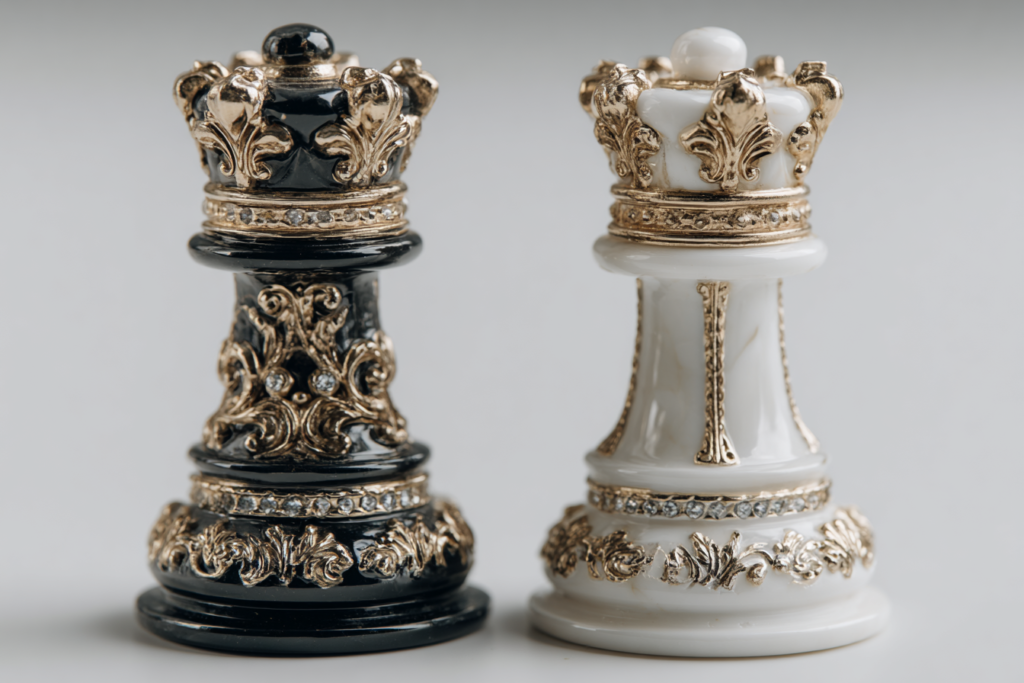
Pretty But Wrong: The Problem With Fantasy Town Maps

Towns don’t just pop into existence because a hero needs a tavern. They grow around water, trade routes, resources—and they carry the scars of their own history. As a writer (and a lifelong map nerd), I can’t help studying fantasy town maps like archaeological sites. If the layout doesn’t tell me why the town exists, where it started, or how it grew, then something’s missing. Let’s talk about crooked streets, suspicious bridges, and why Hobbiton is pretty but perplexing.

Working Harder Starts with Time Off: Why Downtime Isn’t a Luxury (It’s a Strategy)

We all know downtime matters — but most of us don’t actually build it into our week. After a weekend of enforced “no work, just play,” I relearned the surprising truth: downtime isn’t a luxury, it’s a creative strategy. Even ten-minute breaks can reboot your energy and make you want to work harder. Here’s why you need micro-downtime — and how to make it part of your indie life without guilt.

Superheroes, Sanderson, and the Genre Spectrum

Brandon Sanderson is stepping into science fiction with Tailored Realities, and at the same time, I’ve been watching Daredevil: Reborn — a superhero story that feels a lot more like fantasy than you’d expect. It got me thinking: where do superhero stories fall in the speculative spectrum? Is sci-fi and fantasy really a spectrum at all? This week, I’m diving into how genre boundaries are shifting, and what that means for readers, writers, and masked vigilantes alike.

Mind Your @#$%& Mouth: Swearing in Fiction (And How Not to Mess It Up)

Writers love to worry about swearing — usually more than their characters do. The truth? Profanity isn’t “good” or “bad.” It’s a tool. A sharp one. Used well, it cuts cleanly through tension, reveals character, or snaps a moment into focus. Used poorly, it just bleeds all over the page.
In this post, Mark breaks down when swearing works, when it absolutely doesn’t, how genre affects your choices, and why every curse word has to be earned. If your characters are going to swear, make sure they mean it.

Shopping Basket
Scroll to Top