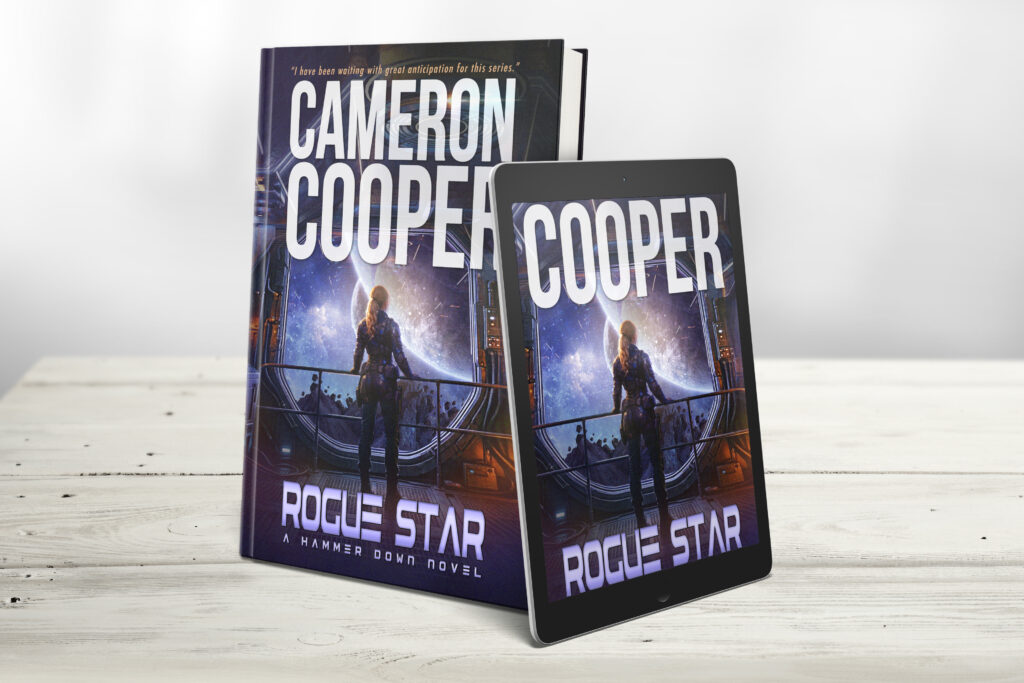
Author name: Cameron Cooper

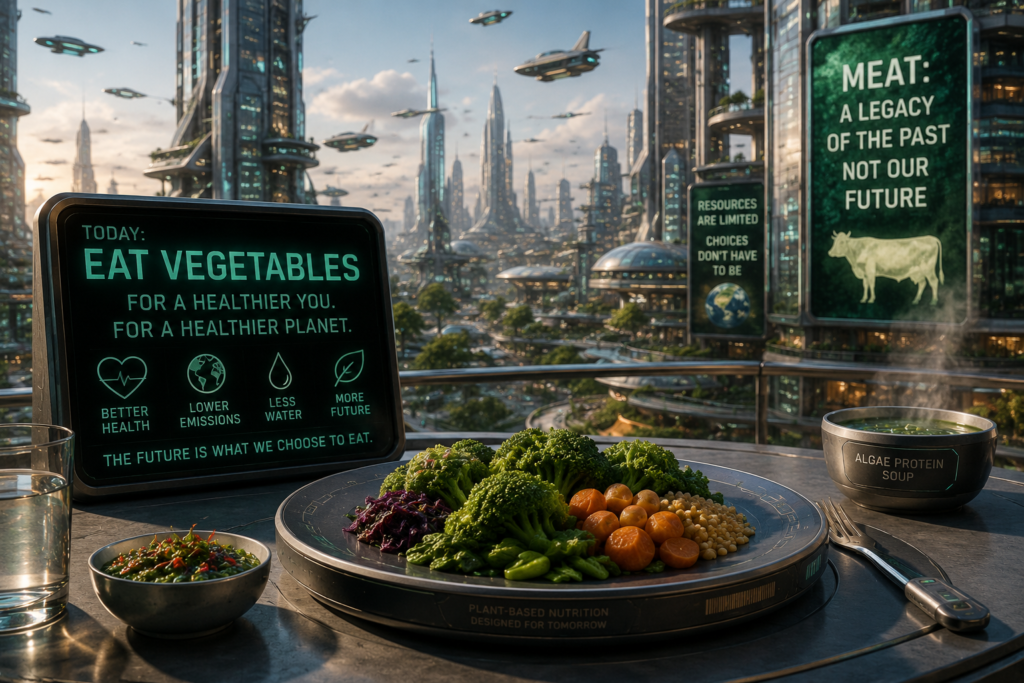
National Eat Vegetables Day and the Future of Meat

National Eat Vegetables Day may seem like an unlikely inspiration for a science fiction discussion, but current debates about meat consumption raise fascinating questions about the future. As health concerns, environmental pressures, and changing social attitudes converge, SF readers are uniquely positioned to ask where these trends might lead. Will meat remain a permanent feature of human civilization, or will future generations view it as an outdated and unsustainable practice?

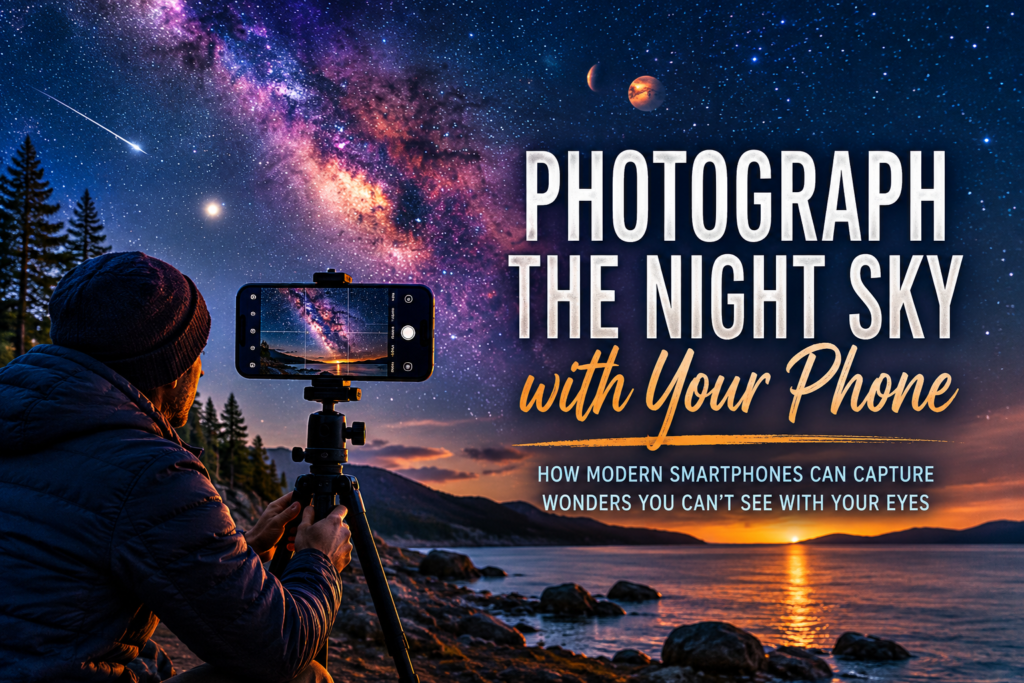
Why Every Sci-Fi Fan Should Try Photographing the Night Sky with Their Phone

Modern smartphones have become surprisingly capable astronomy cameras, making it easier than ever to capture stars, planets, and even the Milky Way. But the real appeal isn’t the technology—it’s the experience of looking up at the night sky and connecting with the vast universe beyond our everyday concerns. For science fiction readers, photographing the cosmos can be a powerful reminder of why we look to the stars in the first place.

The Future Always Looks Impossible, at First

A massive bridge in China that cuts a two-hour journey down to two minutes looks like something from science fiction. But perhaps that’s the point. Humanity has a long history of turning the impossible into ordinary infrastructure — and if we can build wonders like this on Earth, what might we eventually achieve in space?

Readers Never Actually Fell Out of Love with Space Opera

For years, science fiction seemed determined to convince us the future would be smaller, darker, and more cynical than the present. But readers never actually abandoned space opera. They still wanted starships, exploration, galactic civilizations, and futures worth fighting for. Now, as film, television, and publishing slowly rediscover large-scale science fiction, it feels like space opera is finally stepping back into the spotlight — jet packs and all.

Are Modern Storytellers Afraid of Happy Endings?

The new Dune 3 trailer should have filled me with anticipation. Instead, it left me uneasy. Not because Denis Villeneuve lacks skill as a filmmaker—far from it—but because the films seem determined to undercut Paul Atreides’ triumph before it ever truly lands. Which raises a larger question: Have modern storytellers become afraid of heroic endings? From Dune to grimdark fantasy to prestige science fiction, modern stories increasingly distrust hope, sincerity, and unapologetic victory. But is that really what audiences want—or simply what the industry keeps giving them?

When “Agentic” Suddenly Became a Thing

Why has “agentic AI” suddenly become the term everyone’s using? What looks like an overnight trend is really the visible edge of a rapid shift—from passive tools to systems that can act, decide, and iterate. For science fiction readers, it’s a familiar moment: the future we’ve long imagined beginning to take shape, with all the promise—and unease—that implies.

Why Star Wars Endures

Star Wars has been part of my life for as long as I can remember—and, in a very real way, it helped shape my career as a writer. But decades on, the question isn’t why it began. It’s why it never seems to end. As new generations discover it and older ones drift away, Star Wars continues to renew itself in ways that are both familiar and puzzling.

Earth Day and the Science Fiction of Hope

On Earth Day, science fiction reminds us that environmental collapse is not the only possible future. From Frank Herbert’s Dune to modern Solarpunk stories like Winds of Change, SF has always offered both a warning and a hope: that science, ingenuity, and the human spirit can help us protect our one blue world—and perhaps one day carry that wisdom to the stars.

Space Is Bigger Than We Think

Excerpt: Science fiction readers are among the people most likely to underestimate the true scale of space. We are so accustomed to faster-than-light drives, wormholes and jump gates that we forget how impossably vast the distances between stars really are. But once a writer decides how long it takes to cross those distances, every other aspect of the story changes—from politics and trade to war, culture and the kinds of stories that can be told at all.

April Fool’s in Orbit

Tomorrow is April 1, and space seems to bring out the prankster in all of us. From fake UFO photos and moon-landing conspiracies to astronauts in gorilla suits aboard the International Space Station, the line between hoax and reality can be surprisingly thin. The odd thing is that the real universe is usually stranger—and far more entertaining—than anything we could invent.

Shopping Basket
Scroll to Top