

A Writer’s Mind Does Not Walk in Straight Lines
A writer’s mind doesn’t stop at a strange thought — it follows it past the point most people turn back. Somewhere along that drift, reality starts to feel negotiable… and a story begins to breathe.

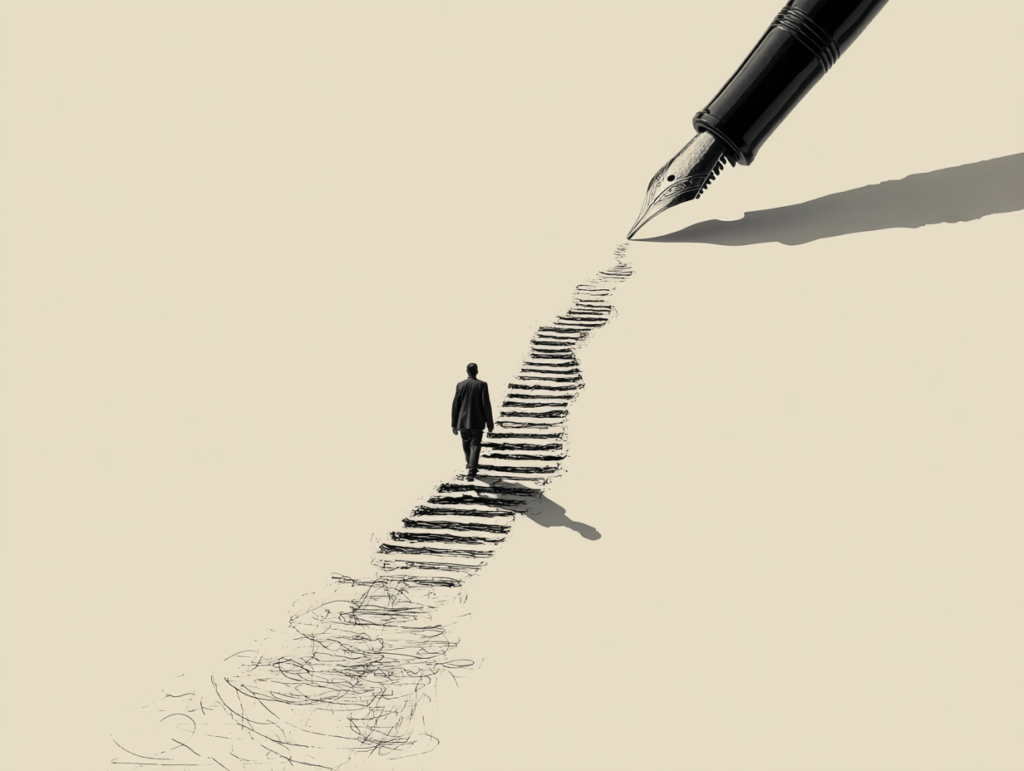
A writer’s mind doesn’t stop at a strange thought — it follows it past the point most people turn back. Somewhere along that drift, reality starts to feel negotiable… and a story begins to breathe.
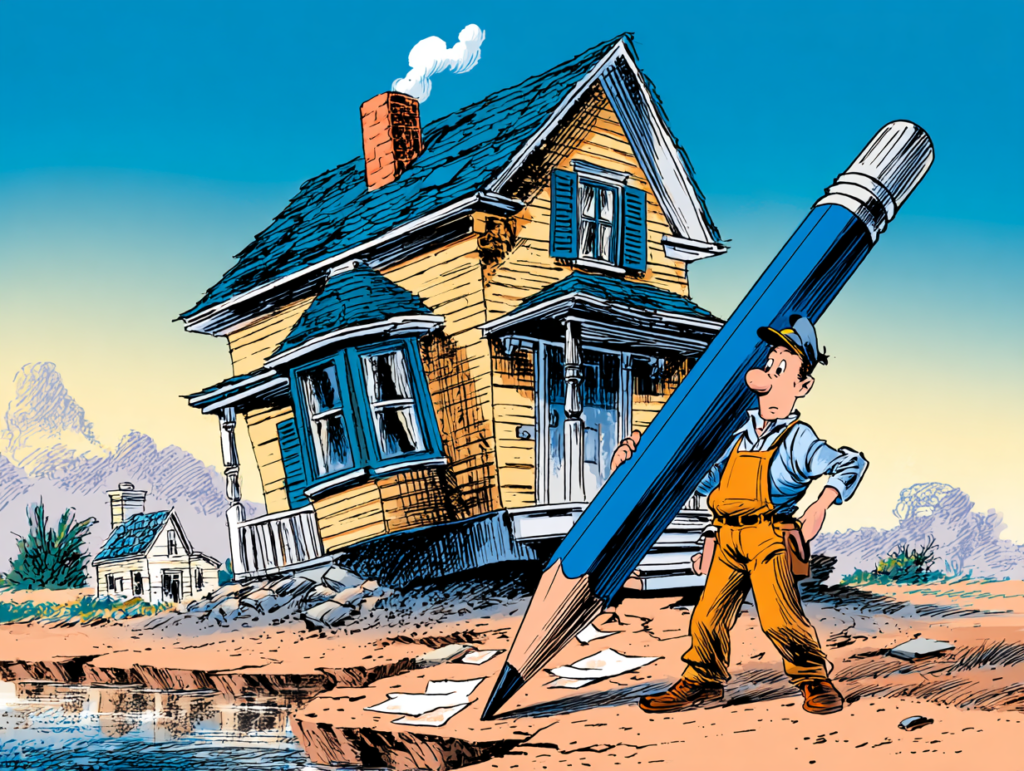
Writers sometimes send manuscripts to an editor hoping the edit will “make it work.” But when the foundation of the story is cracked — weak character arcs, passive scenes, or conflict happening offstage — no amount of line editing can fix it. Editing refines what already works; it doesn’t rebuild the structure. Knowing the difference can save writers money, frustration, and a lot of misplaced hope.

Ideas don’t arrive fully formed. They start as small, sideways questions — the kind that won’t leave you alone once they land. That’s where stories actually come from.

“Small press” gets used as shorthand for all sorts of assumptions — temporary, amateur, stepping stone. But size isn’t a synonym for casual. A real small press is a business with systems, strategy, and long-term intent. Here are five of the biggest myths people still get wrong — and what actually matters instead.

Dictation can capture the natural rhythm and momentum of storytelling—but spoken language doesn’t always translate cleanly to the page. Here’s why dictated manuscripts need a different editorial approach, and how careful editing preserves the author’s voice while shaping it into clear, compelling prose.

Some weeks, the stories don’t stall — they simply make room for other word-work. Editing, shaping, refining someone else’s manuscript is still time spent inside the craft. And when you finally return to your own blank page, you bring sharper instincts with you.

Publishing evolves. Tools change. Platforms come and go.
But some things at Stories Rule Press are non-negotiable.
Story comes first. Readers are respected. Authors are partners.
We don’t chase trends, we don’t play games with urgency, and we don’t let algorithms decide what gets published.
We believe in thoughtful growth, careful attention, and direct relationships with the people who actually read the books.
Because if it doesn’t serve the story, the author, and the reader—we don’t do it.
As of this week, my editing calendar is booked into March.
If you’ve been thinking, “I should probably get a quote…” — this is your nudge. Editing queues don’t fill in tidy rows; they arrive in waves, overlap, and shift. And once the calendar is full, the only honest answer for new clients is: your start date will be later than you hoped.
Getting on the schedule early doesn’t obligate you. It simply protects your timeline — before a finished manuscript runs out of time to become a better one.
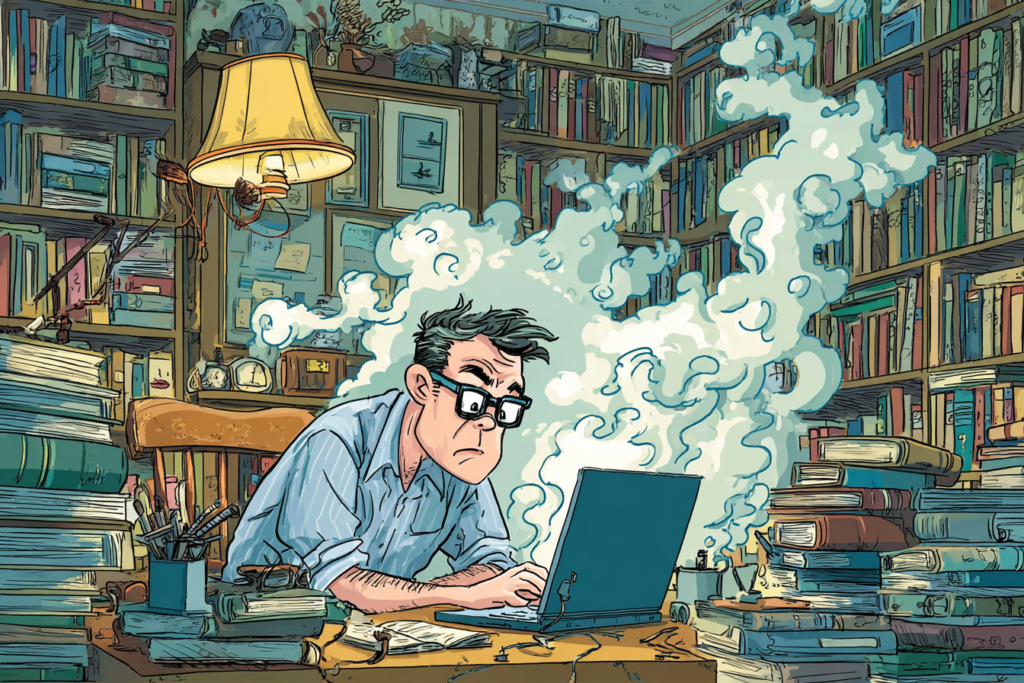
Right now the to-do list is loud. Fulfill a 660%-funded Kickstarter. Edit other writers’ books. Run a publishing company. Market existing titles. Keep upcoming releases on track. And somewhere in there is a quiet little line that says: Write the next book.
That line is always the easiest to slide.
Because it doesn’t yell. It doesn’t send invoices. It doesn’t have shipping deadlines. It just waits — patiently — while everything else feels urgent.

After you’ve been editing fiction for a while, patterns emerge — not in the stories, but in the expectations writers bring to the process. Editing isn’t about fixing broken books or policing commas. It’s about helping a manuscript work the way the author intended: with clarity, emotional logic, and structural strength. Here are five things editors quietly wish every writer understood before the red pen ever comes out.