fantasy fiction

Do Fantasy Readers Actually Want Simpler Worlds Again?

Fantasy readers often say they want “simpler” worlds, but is that really what they’re asking for? Maybe the problem isn’t complexity at all—it’s the steep learning curve many modern fantasy novels demand before the story can truly begin. A look at why great fantasy invites readers into its world instead of handing them an owner’s manual on page one.
When a Story Arrives All at Once

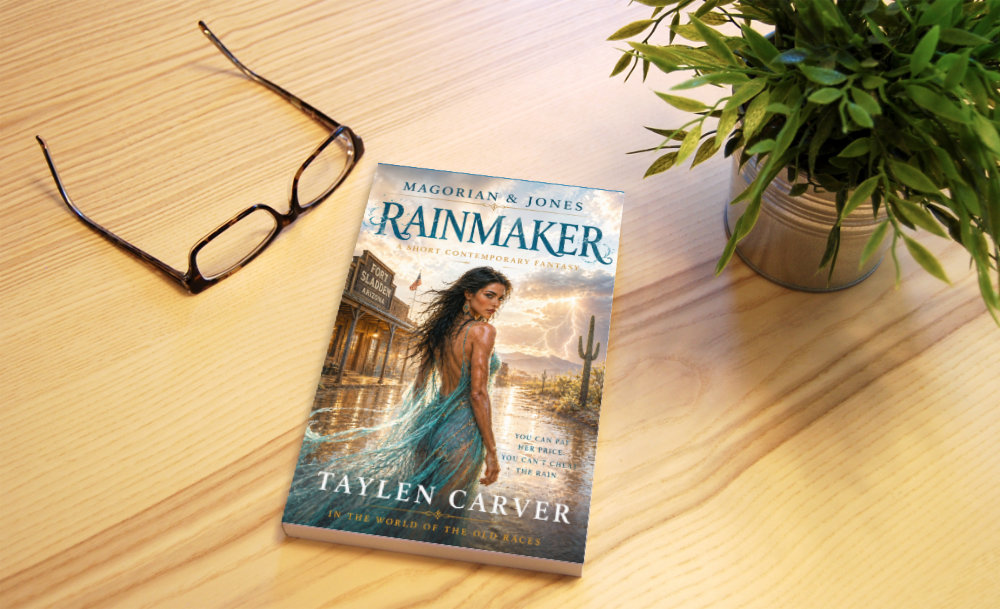
Most stories don’t arrive fully formed. They begin as a name, a setting, or the faintest glimmer of an idea, then grow one decision at a time. But every so often, a story appears almost complete. Rainmaker was one of those rare exceptions. Here’s how it came to life—and why, years later, I finally gave it the cover I’d always imagined.

When Reality Outdoes Fantasy

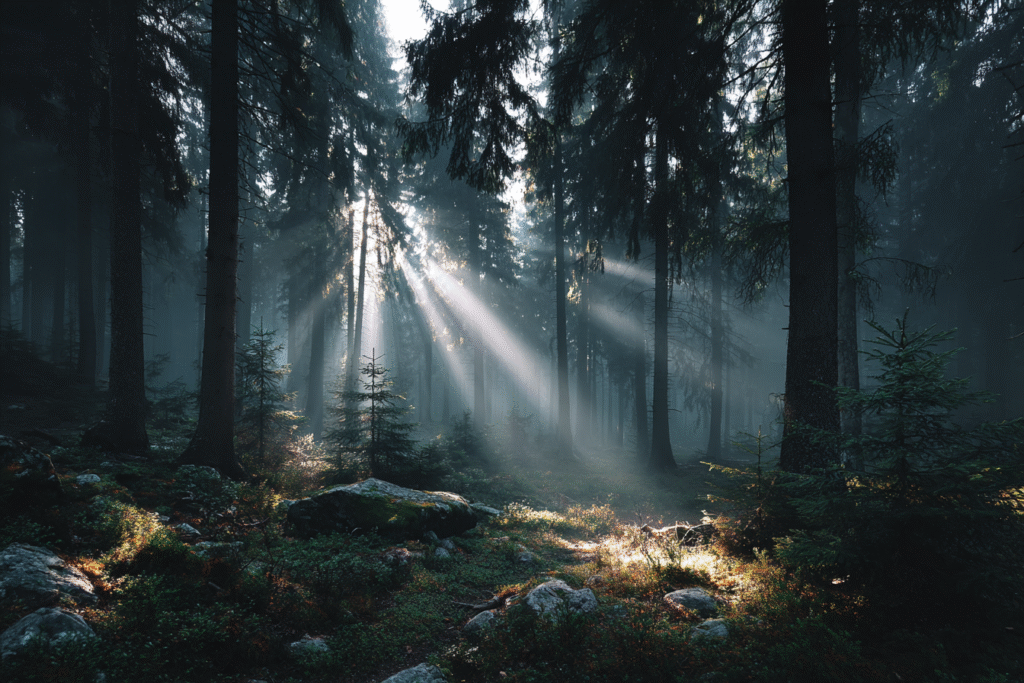
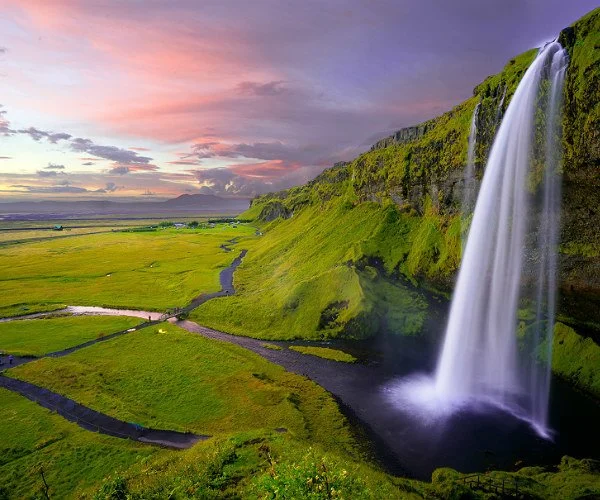
Some of the most fantastical settings aren’t found in fantasy novels—they’re right here on Earth. A single photograph of Seljalandsfoss in Iceland is a reminder that nature often creates landscapes so extraordinary we’d hesitate to put them in fiction for fear readers wouldn’t believe them. It’s a lesson that Peter Jackson understood when bringing Middle-earth to life on film.

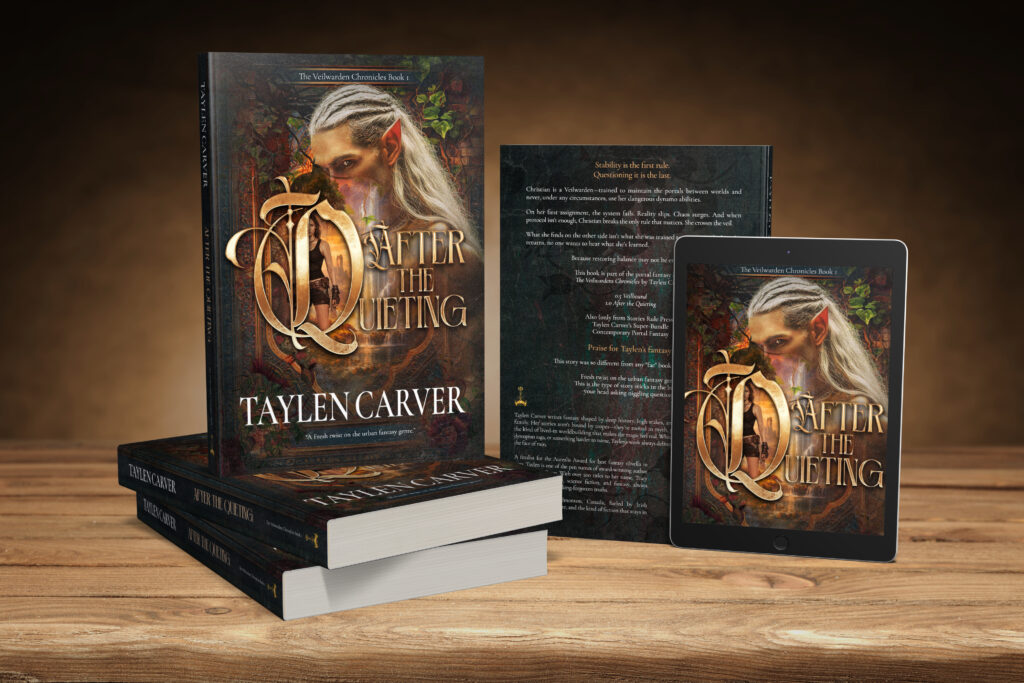
AFTER THE QUIETING Is Out Today

The Veilwardens have spent generations maintaining the portals between Terra and Aethryn, certain that the balance between the worlds must be preserved at all costs.

But what if the balance isn’t what they think it is?

In Quieting, old assumptions begin to crack, strange events grow harder to explain, and Riva Thorn finds herself questioning truths she has always accepted.

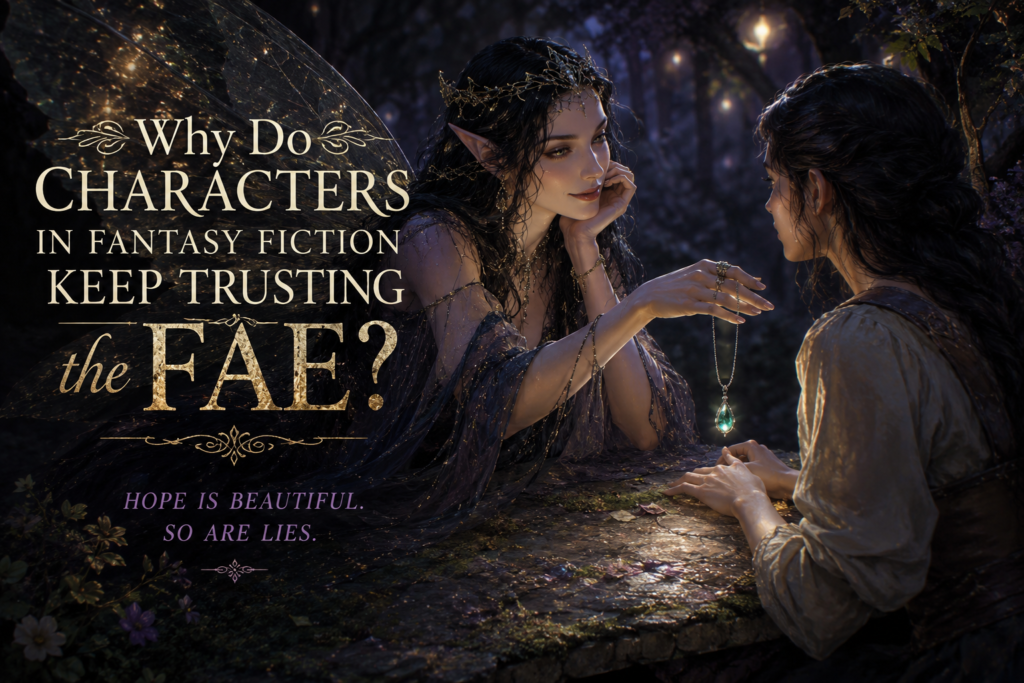
Why Do Characters in Fantasy Fiction Keep Trusting the Fae?

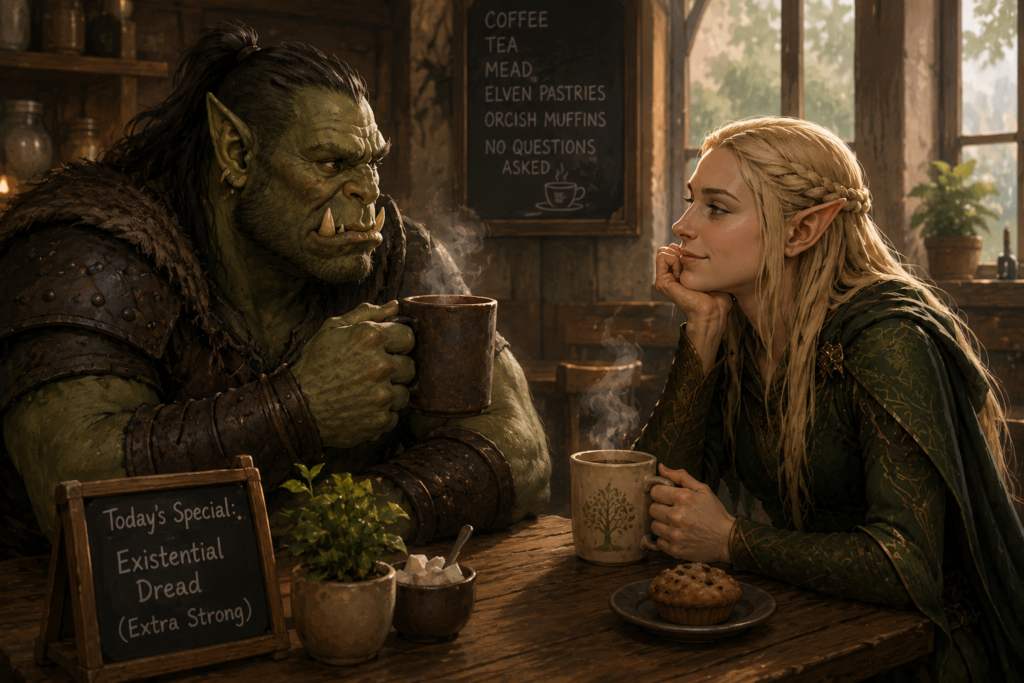
Why do fantasy characters keep trusting the fae when centuries of stories warn them not to? The answer isn’t stupidity—it’s hope. The fae offer solutions when no one else can, promise the impossible, and often appear as beautiful, fascinating beings who seem to understand exactly what a person needs. In this post, we’ll explore the surprisingly human reasons characters continue to trust the fae, despite all the risks.

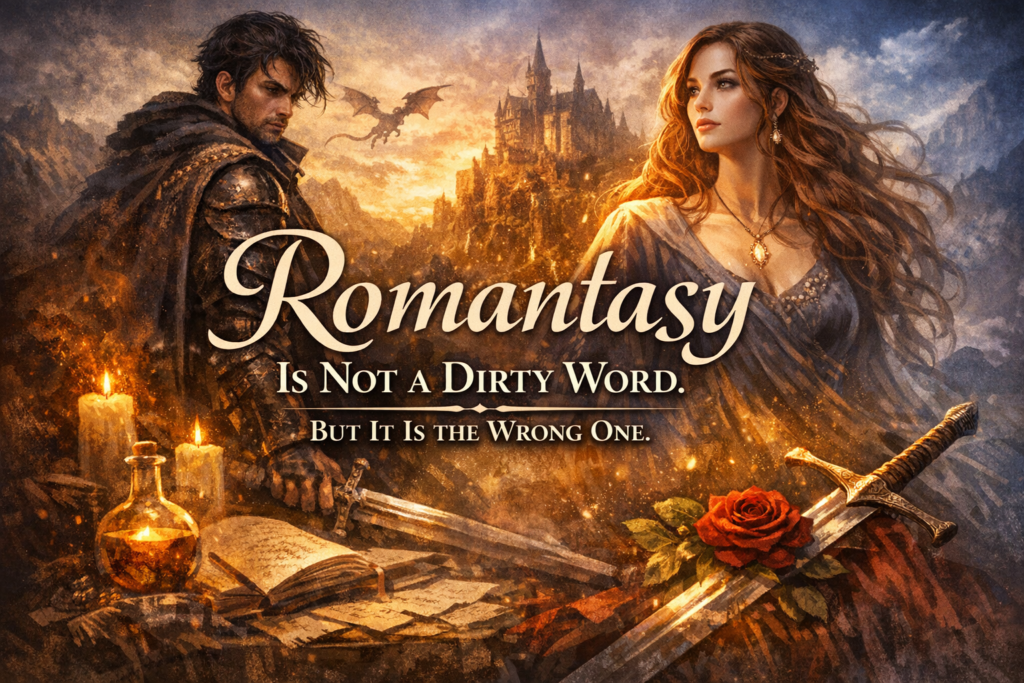
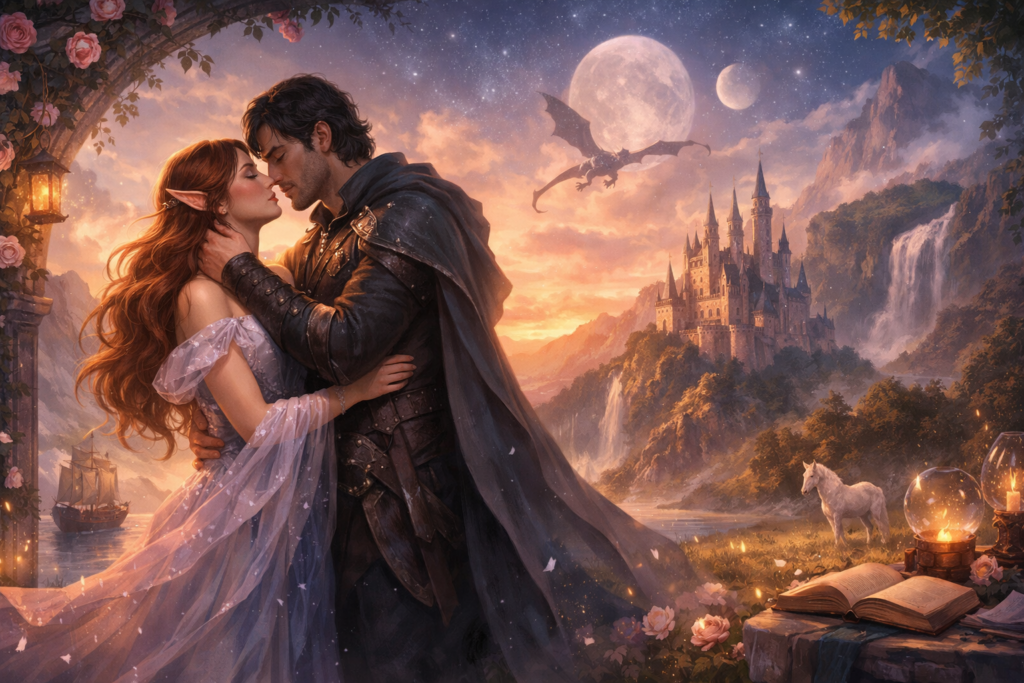
“Romantasy” Is Not a Dirty Word. But It Is the Wrong One.

Fantasy author Danielle L. Jensen recently pushed back against the “romantasy” label, arguing that it reduces complex fantasy novels to “there was kissing, therefore clearly dragons are optional.” She is not alone. Fantasy romance has always demanded that writers master two genres at once: not just the emotional arc of a romance, but also worldbuilding, magic, politics, danger and impossible choices. So why has a catchy nickname managed to make the genre sound smaller, sillier and less serious than it really is?

Shopping Basket
Scroll to Top