fiction craft

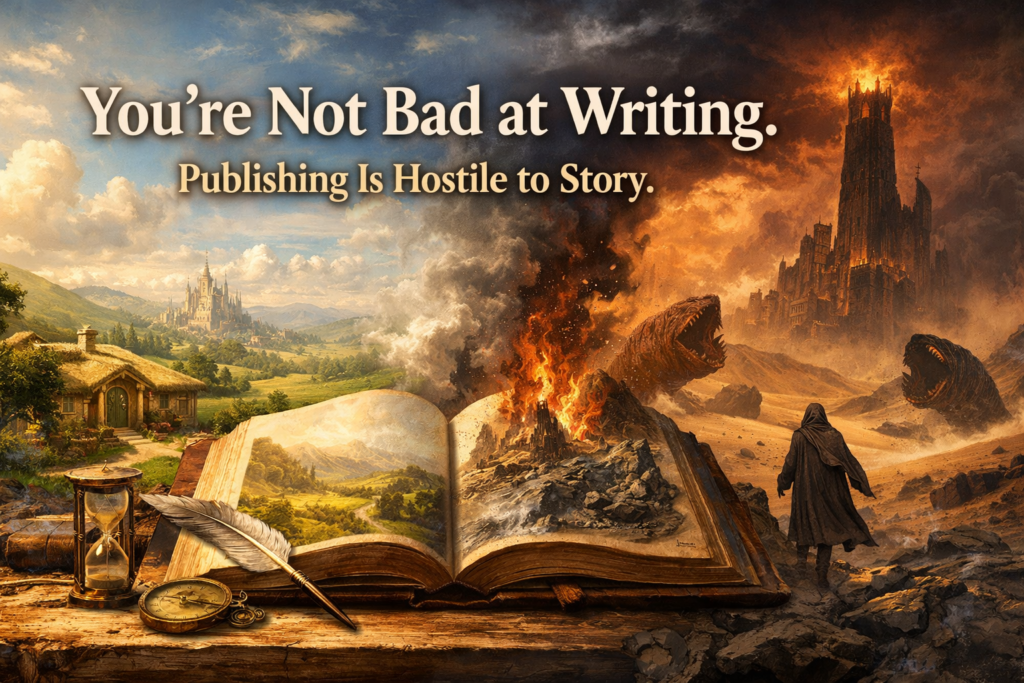
You’re Not Bad at Writing. Publishing Is Hostile to Story.

Storytelling hasn’t failed readers — publishing culture has simply become suspicious of it. If you’re being told to slow down, soften conflict, or “let the story breathe,” the problem may not be your writing at all. It may be that you’re telling stories in a moment that prefers experience over consequence.

Cliffhangers

Readers don’t actually hate cliffhangers.
They hate being cheated.

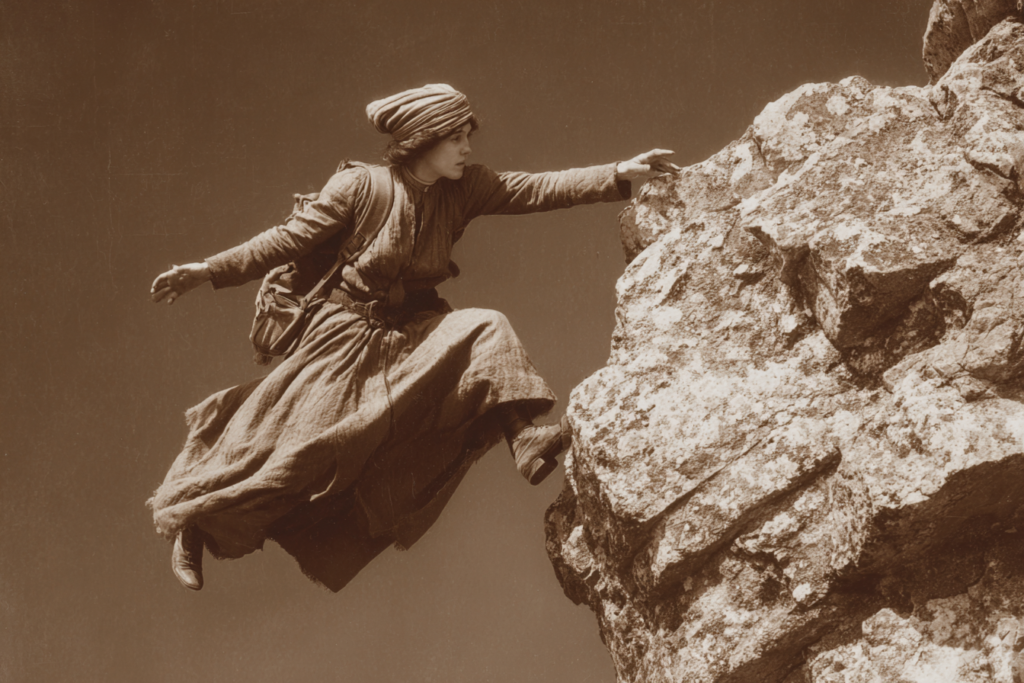
What they’re reacting to isn’t tension or anticipation—it’s a broken promise. An ending that withholds resolution, slices a single story into artificial chunks, or stops mid-thought without delivering what the book itself set up isn’t a cliffhanger at all. It’s a contract breach.

A real cliffhanger resolves the story you promised to tell—and then opens the door to the next problem. It creates momentum, not confusion. When done right, the reader doesn’t feel tricked. They feel hooked.

“What’s It About?” — The Question That Makes Everything Easier

Writers love to add more scenes, more twists, more explosions… but half the time the real problem is simpler: we don’t actually know what the story is about.
Once you can answer three deceptively basic questions — What’s it about? What will the protagonist learn? How will they change? — the whole book snaps into focus. Plot becomes purposeful. Scenes stop wandering. And suddenly you’re not writing 300 pages of Stuff That Happens™ — you’re writing a story with meaning.

Shopping Basket
Scroll to Top