productivity for writers

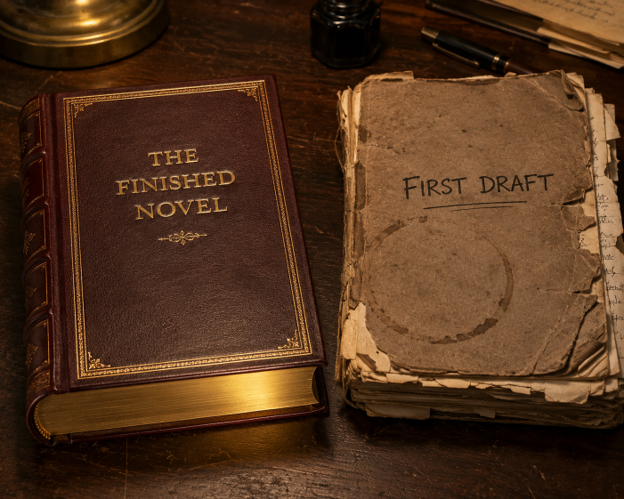
The Draft You Never See

Every published novel has a hidden history. Behind every finished book are deleted scenes, rewritten chapters, abandoned plot lines, and countless small decisions that readers never see. The first draft may discover the story, but revision is where the story reveals what it was trying to become all along.
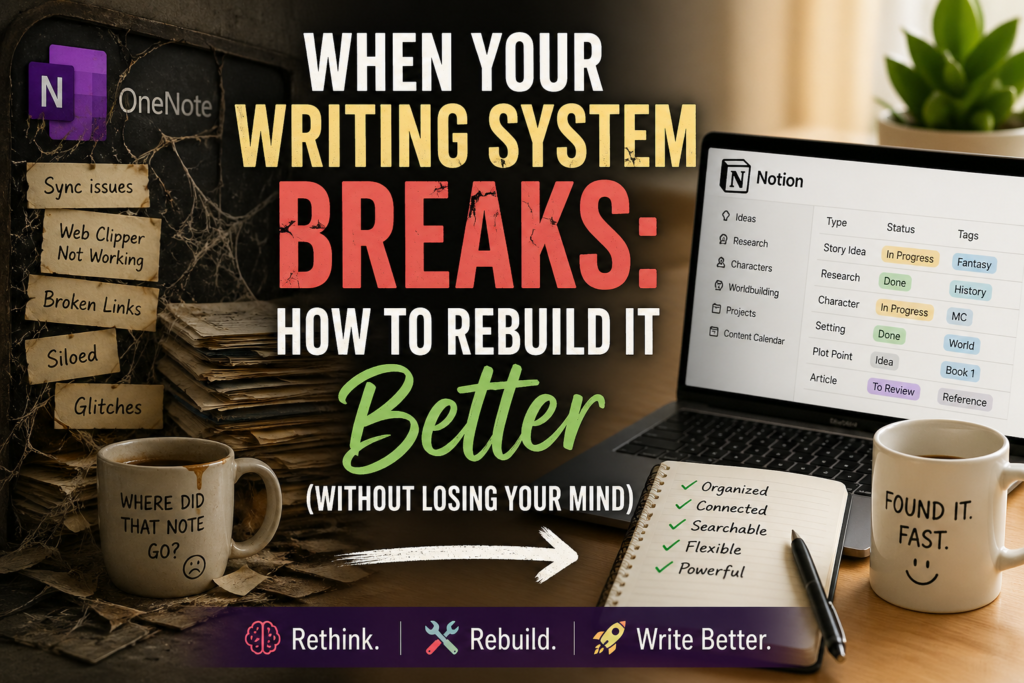
When Your Writing System Breaks: How to Rebuild It Better (Without Losing Your Mind)

Your writing system probably won’t fail all at once—it’ll decay, one small glitch at a time, until the tool you rely on starts slowing you down instead of supporting you. When that happens, the real solution isn’t finding a replacement that works the same way—it’s rethinking how your system works entirely. Here’s what OneNote’s decline taught me about rebuilding a writing workflow that’s faster, more flexible, and far more resilient.

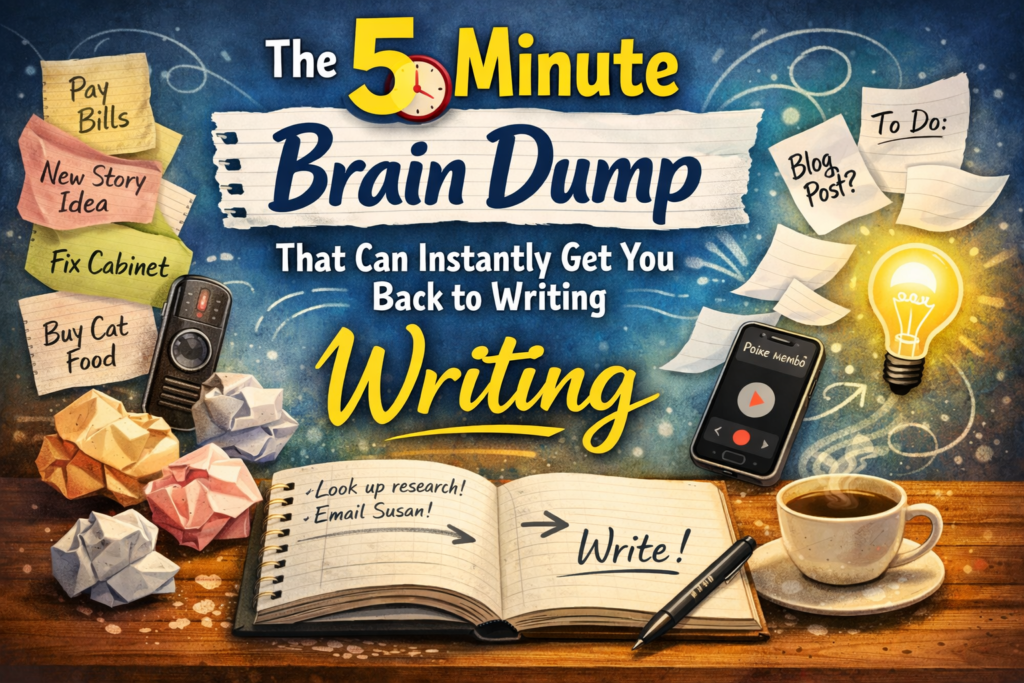
The 5-Minute Brain Dump That Can Instantly Get You Back to Writing

Excerpt: Writers don’t usually suffer from a lack of ideas—we suffer from too many. Between errands, reminders, story ideas, and random questions, our brains can become so cluttered that writing feels impossible. Here’s how a simple five-minute “brain dump” can clear the mental noise, help you focus, and get you back into the flow of writing.

The Magic Cookie Method of Writing Motivation

When writing starts to drag, the problem often isn’t laziness or lack of discipline — it’s that you’ve lost sight of what you’re writing toward. In this post, I explore the “magic cookie” method: finding the one scene, moment, or beat in your story that excites you enough to pull you through the difficult middle. Because sometimes the best cure for procrastination is knowing there’s something wonderful waiting a few chapters ahead.

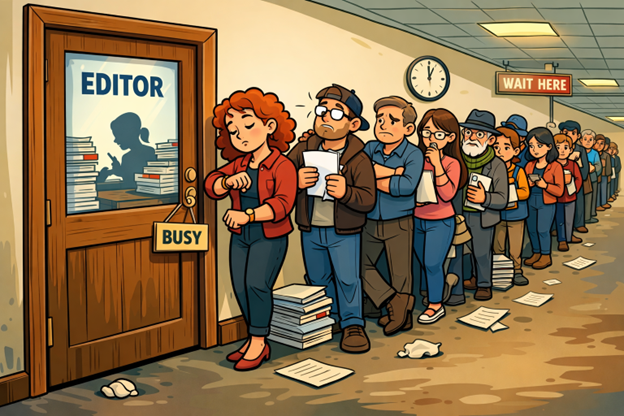
Your Editor Isn’t Waiting—And That’s a Good Thing

If you’re waiting until your manuscript is finished before thinking about editing, you’re already behind. Editors don’t work on demand—they book weeks or months in advance to give every project the attention it deserves. The writers who stay on track? They treat editing as part of their production pipeline, not the final step.

Build Better Habits (Not Better Goals)

Goals feel productive. Habits are productive. If you want to be a producing indie author, you don’t need a shinier goal — you need a quieter, more consistent life. The writers who finish books aren’t chasing outcomes; they’re protecting routines. It may look boring from the outside. Good. That “nothing to report” life? That’s exactly what makes the words pile up.

The Easy Way To… (Get Ripped Off)

Everyone’s teaching authors how to spot scammers with lists of red flags and warning signs. But none of that works if your mindset is wrong. Because if part of you still wants the “easy way,” you’ll explain away every clue. Here’s why modern scams work — and the one shift that makes you almost impossible to fool.

Writing While the House Is On Fire

Right now the to-do list is loud. Fulfill a 660%-funded Kickstarter. Edit other writers’ books. Run a publishing company. Market existing titles. Keep upcoming releases on track. And somewhere in there is a quiet little line that says: Write the next book.

That line is always the easiest to slide.

Because it doesn’t yell. It doesn’t send invoices. It doesn’t have shipping deadlines. It just waits — patiently — while everything else feels urgent.

The Annual Ritual of the Writing Resolution

Writing resolutions fail for remarkably predictable reasons.
Not because writers are lazy or unserious—but because they aim too high, too vaguely, and too emotionally.

The writers who finish books aren’t the ones who promise themselves a perfect year.
They’re the ones who build systems that survive imperfect weeks.

Shopping Basket
Scroll to Top