Publishing

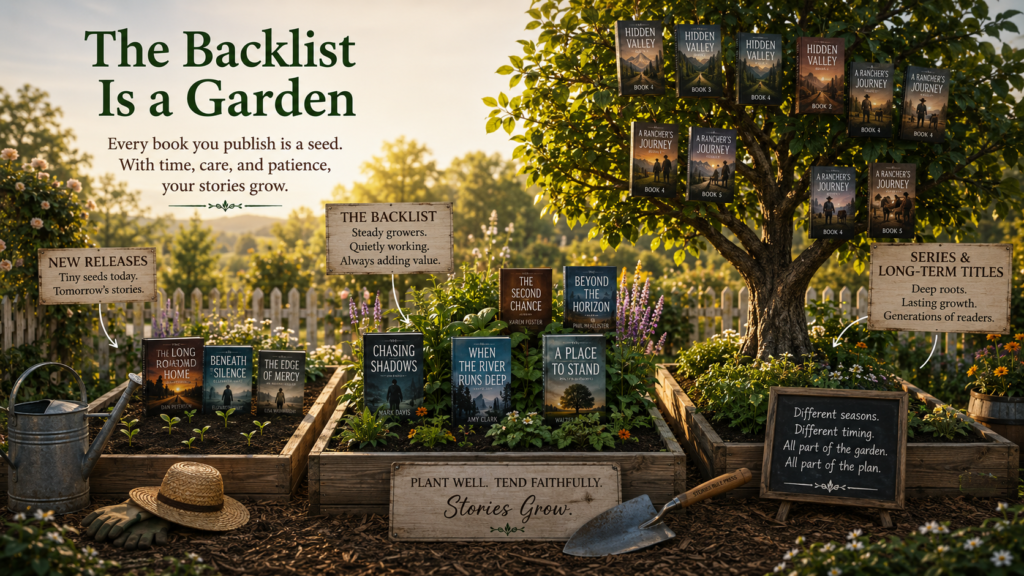
The Backlist Is a Garden

We spend a lot of time talking about launches in publishing. Launch week. Launch numbers. Launch strategies. But publishers eventually learn something authors often overlook: books aren’t just products. They’re plants. Some flourish immediately. Others take years to reach their full potential. The real strength of a publishing business isn’t found in a single launch—it’s found in a backlist that keeps growing, season after season.

Why We Still Believe in Backlists

Most products fade quickly after launch. Books rarely do. At Stories Rule Press, we believe great stories have a long life, finding new readers months, years, and even decades after publication. That’s the enduring power of a strong backlist—and why we’re building a library for the long term, one story at a time.

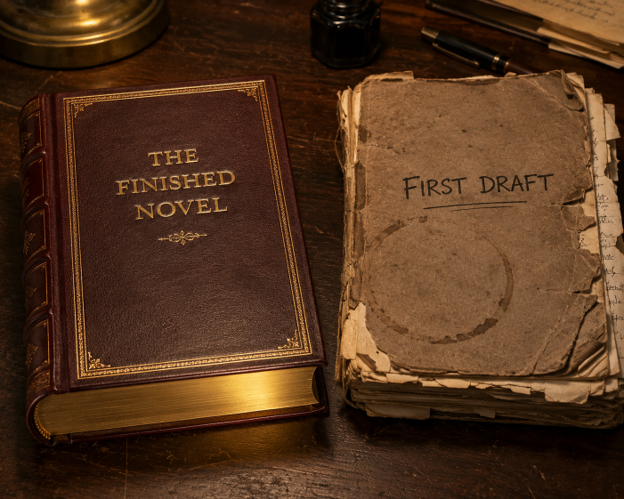
The Draft You Never See

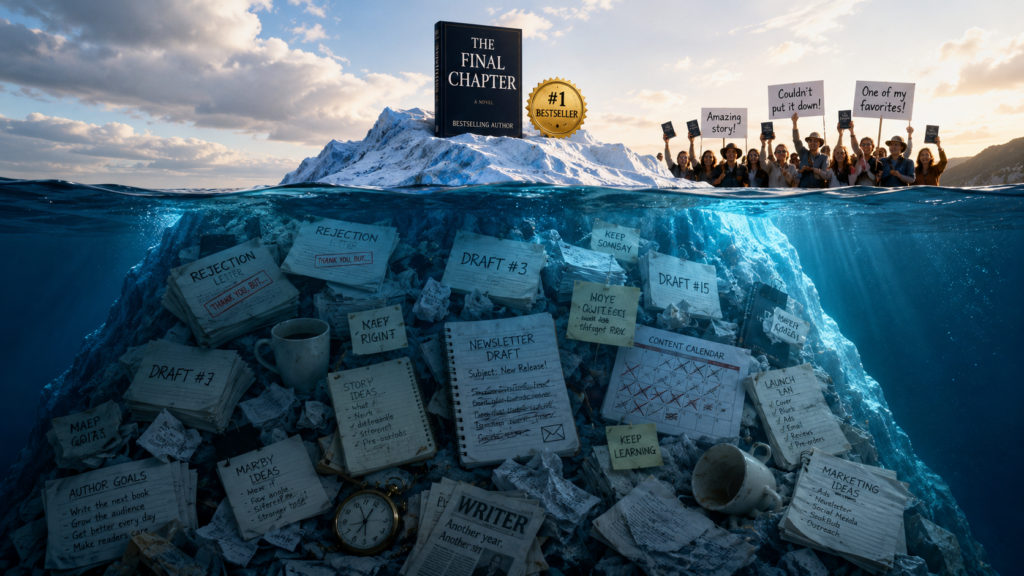
Every published novel has a hidden history. Behind every finished book are deleted scenes, rewritten chapters, abandoned plot lines, and countless small decisions that readers never see. The first draft may discover the story, but revision is where the story reveals what it was trying to become all along.

Reading Requires Trust

Reading isn’t just “content consumption.” It’s time. Emotional investment. Trust. You’re handing several hours of your life over to another person and hoping they take you somewhere worthwhile. That’s why stories that feel genuinely human matter more now than ever.

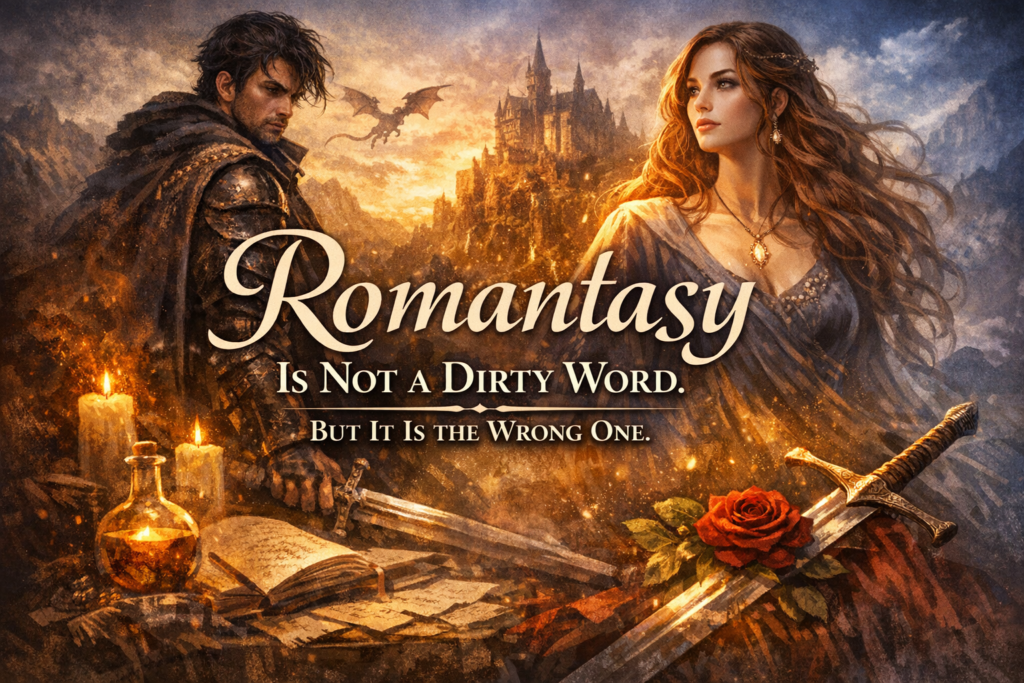
“Romantasy” Is Not a Dirty Word. But It Is the Wrong One.

Fantasy author Danielle L. Jensen recently pushed back against the “romantasy” label, arguing that it reduces complex fantasy novels to “there was kissing, therefore clearly dragons are optional.” She is not alone. Fantasy romance has always demanded that writers master two genres at once: not just the emotional arc of a romance, but also worldbuilding, magic, politics, danger and impossible choices. So why has a catchy nickname managed to make the genre sound smaller, sillier and less serious than it really is?

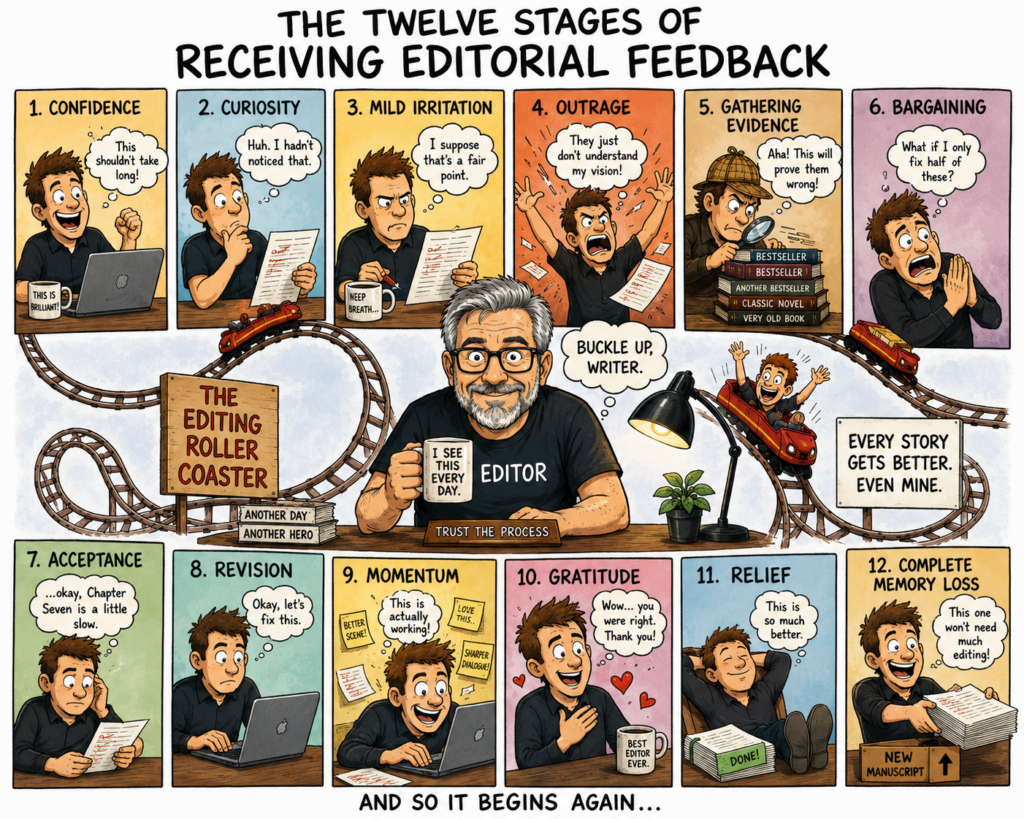
Five Things Editors Wish Writers Knew

After you’ve been editing fiction for a while, patterns emerge — not in the stories, but in the expectations writers bring to the process. Editing isn’t about fixing broken books or policing commas. It’s about helping a manuscript work the way the author intended: with clarity, emotional logic, and structural strength. Here are five things editors quietly wish every writer understood before the red pen ever comes out.

Farewell to On Spec: A Pillar of Canadian SF Bids Goodbye

After 35 years, On Spec magazine is closing its doors—a loss not just for Canadian science fiction, but for the speculative fiction world at large. Based in Edmonton, On Spec championed stories with a uniquely Canadian voice and offered a home for emerging and established writers alike. Its final issue, The Final Voyage, marks the end of an era and raises the ever-relevant question: is this just another case of magazine churn, or a sign of the times?

Anyone Quoting Black-and-White “Rules” About Writing Is Full of Crap

If someone is handing you absolute, black-and-white “rules” about writing, they’re full of crap.
Most of those commandments started life as reasonable cautions… before nuance died somewhere between a conference panel and a poorly edited podcast rant.

Real editors don’t enforce rules.
Real editors ask one question: Is this working for this story, this audience, this moment?

Follow every so-called rule perfectly and you won’t write a great book — you’ll just write a technically correct, emotionally flat one.
Rules can stop you from making mistakes.
They cannot help you make choices.
And writing is nothing but choices.

Shopping Basket
Scroll to Top