Space Opera

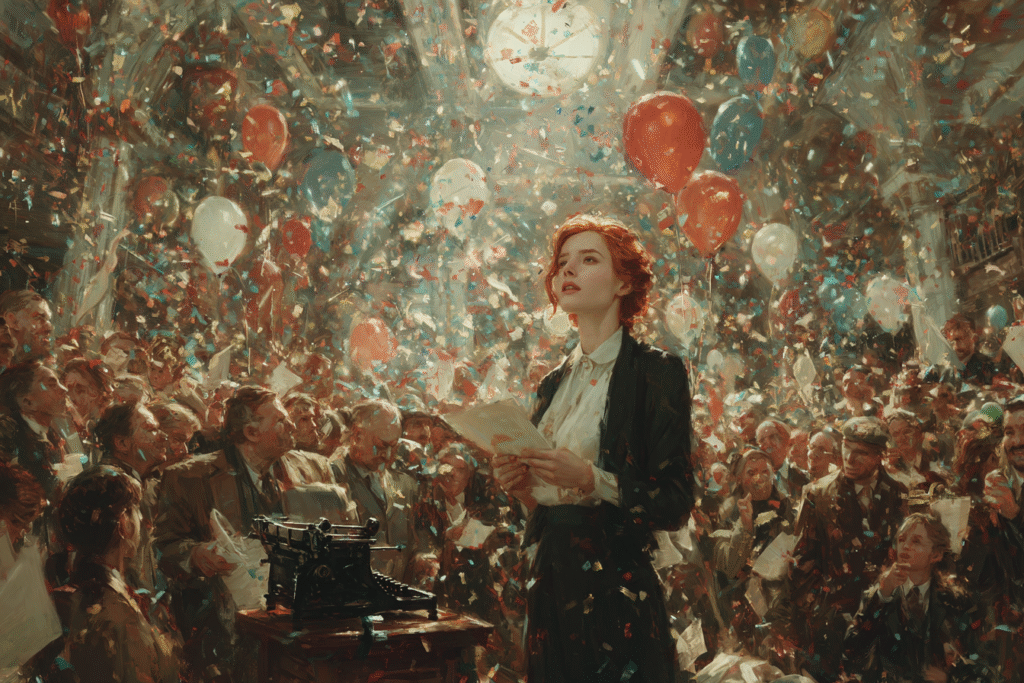
Why Indie Authors Don’t Appear on “Most Anticipated” Lists — And Why That’s a Good Thing

Why do indie author books never show up on “Most Anticipated” lists? It’s not about quality—it’s about how the indie world works. From short release timelines to direct-to-reader communication, indie publishing plays a different game entirely. Here’s why that’s actually a very good thing for readers who love immersive series, creative freedom, and stories that don’t wait for marketing schedules.

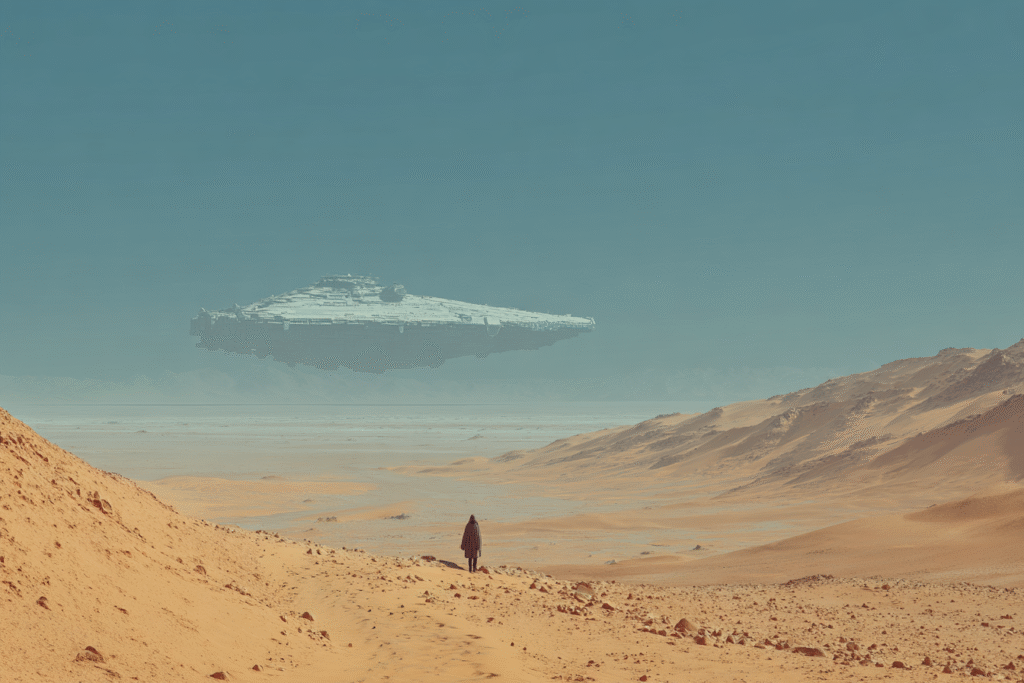
Why Do We Keep Building Galactic Empires in Sci-Fi?

Galactic empires are everywhere in science fiction—ruling star systems with absolute power, ripe for rebellion or decay. I’ve written a few myself… and torn them down just as quickly. But why do we keep returning to this political model, especially when it’s always doomed to fall? From Dune to Foundation, and even John Scalzi’s surprisingly heartfelt Collapsing Empire, we seem obsessed with watching these mighty regimes unravel. I’ve got theories. But I’m also genuinely curious what draws readers back to the throneworld.

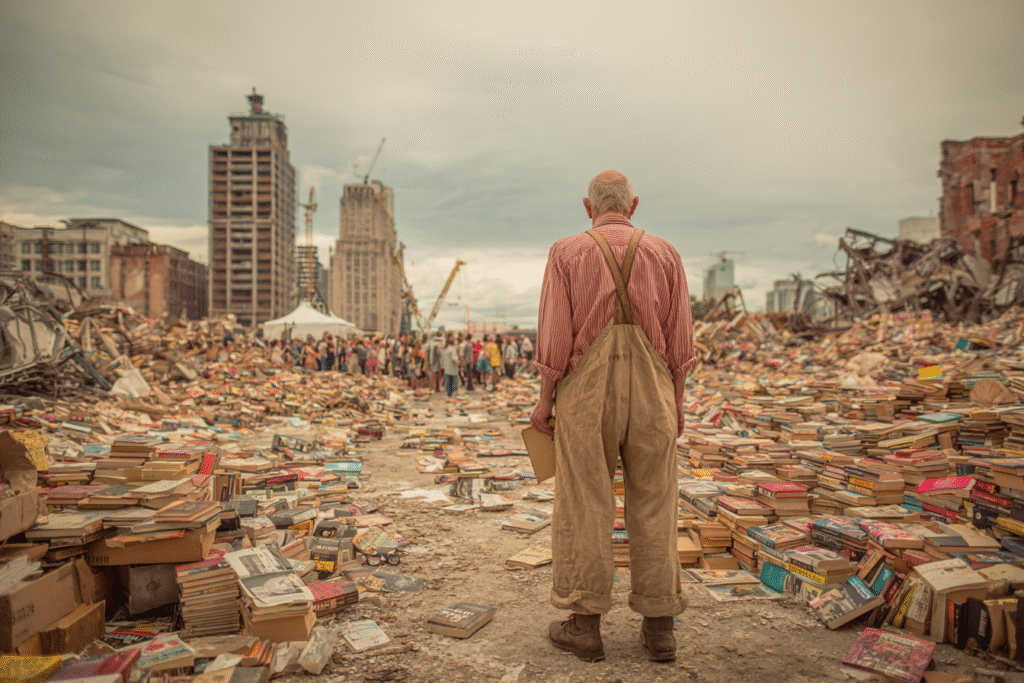
“If Amazon Collapsed Tomorrow…”

What if Amazon collapsed tomorrow? Thousands of exclusive authors would lose their income overnight, and Kindle Unlimited readers would find their go-to content gone. In this speculative thought experiment, I explore how such a collapse would reshape the indie publishing landscape—for authors, readers, and the future of storytelling.

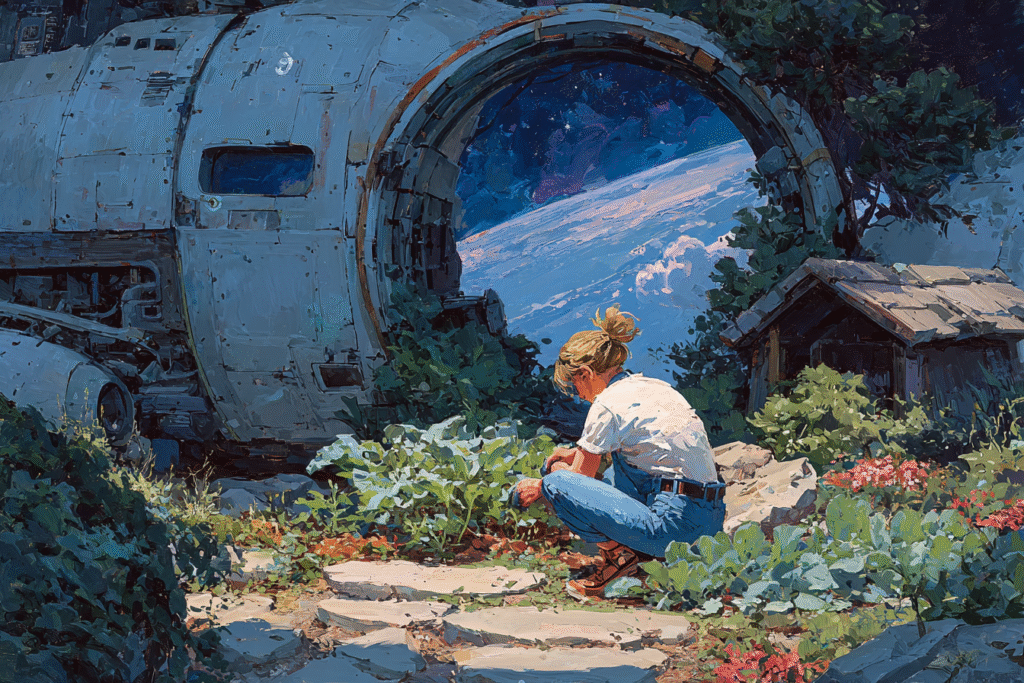
The Future Outpacing Fiction: Can Sci-Fi Writers Keep Up?

In a recent conversation with Bill Gates, filmmaker James Cameron revealed a growing challenge for science fiction creators: staying ahead of real-world technological advancements. He noted that rapid innovation, particularly in artificial intelligence, is outpacing the speculative futures traditionally envisioned by writers. For creators of speculative fiction, this raises a profound question: How do you imagine a future that hasn’t already arrived?

Shopping Basket
Scroll to Top