

The Story That Reminded Me Why Stories Matter
A great story doesn’t just entertain—it pulls you under. Stand By Me still hits because it reminds us of who we were… and who we still are beneath everything else.
A great story doesn’t just entertain—it pulls you under. Stand By Me still hits because it reminds us of who we were… and who we still are beneath everything else.
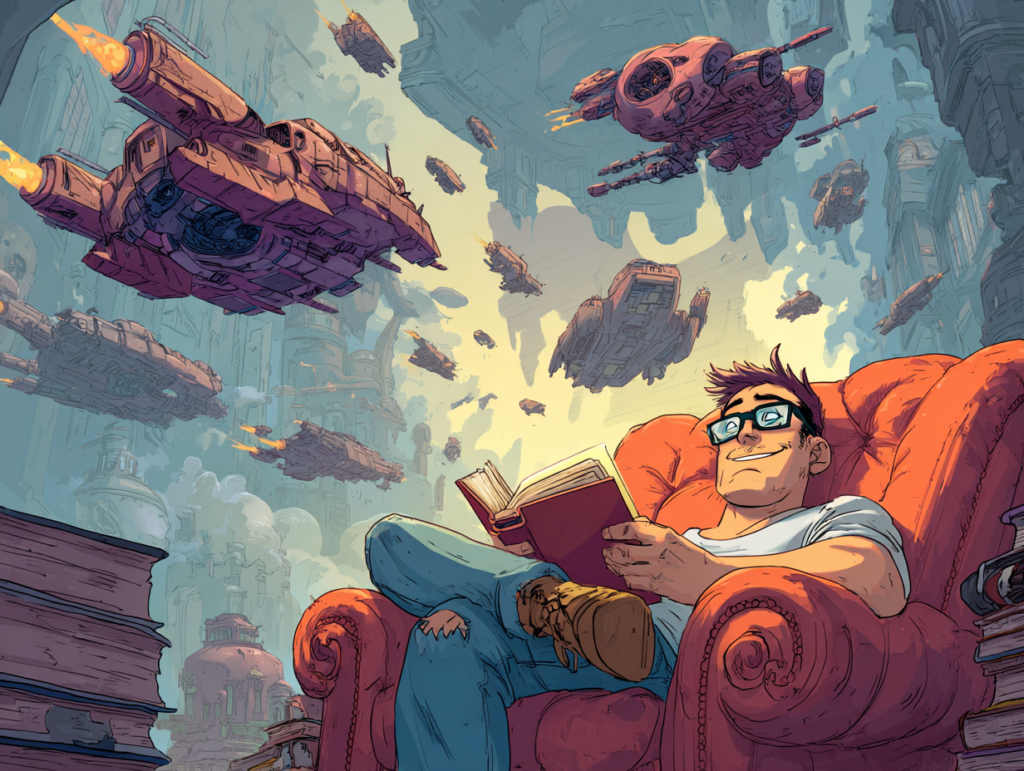
Ever sit down with a book thinking you’ll read just one chapter before bed… and suddenly it’s 2:03 a.m.? Mark Posey confesses why those “just one more chapter” moments are sometimes a little bit deliberate—and why writers secretly love hearing about them.

Writers spend months — sometimes years — alone in a room inventing characters, places, and entire worlds. It can start to feel like writing is a solitary act. But the truth is, a story isn’t finished when the writer types the last sentence. It comes alive when someone reads it. When a reader laughs, gasps, misses their bus stop, or stays up far too late turning pages — that’s when the story truly becomes real.
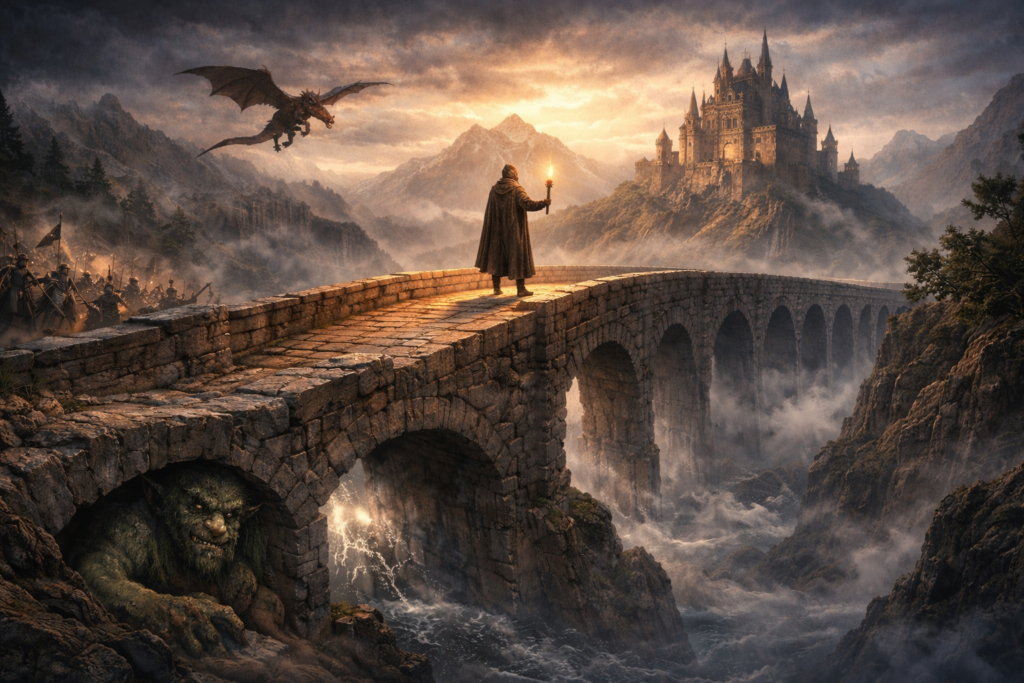
Bridges look simple, but they quietly reshape the world around them. From Tolkien’s Last Bridge to the rainbow span of Bifröst, bridges in fantasy turn geography into decisions, create natural chokepoints, and mark the crossing from one world into another. As history shows—from Roman Corbridge to the Rhine in 1945—who controls the bridge often controls the story. Which may be why so many unforgettable fantasy moments happen right in the middle of one.
Good editing doesn’t draw attention to itself. When it works, readers never notice it at all — they simply fall into the story. Editing isn’t about rewriting an author’s voice or showing off clever fixes. It’s about removing the friction that causes readers to hesitate, lose momentum, or quietly stop turning pages.
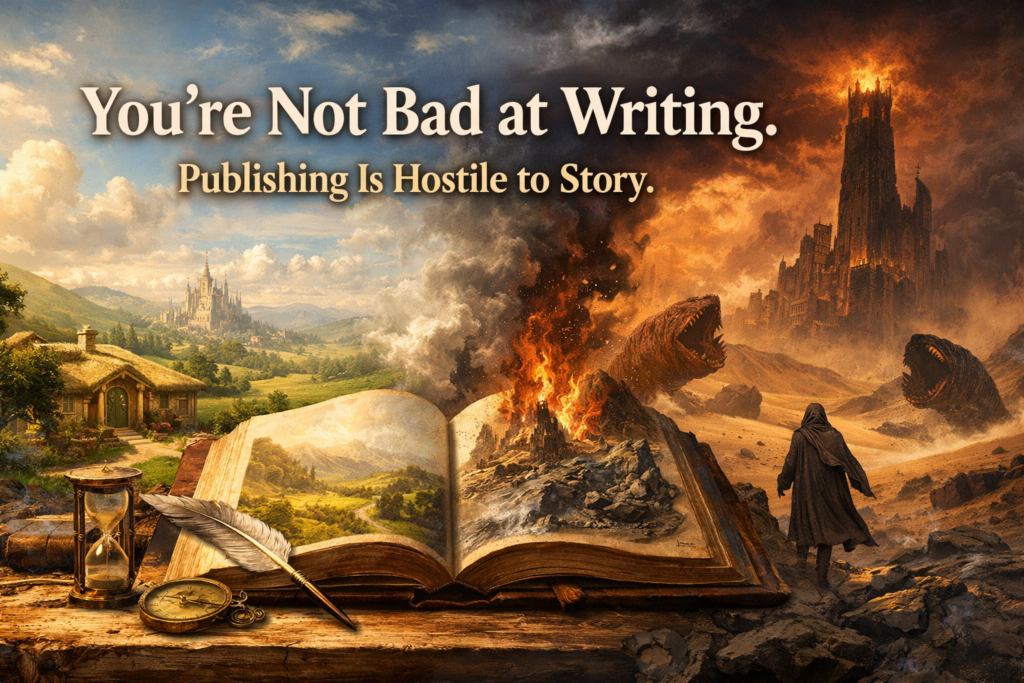
Storytelling hasn’t failed readers — publishing culture has simply become suspicious of it. If you’re being told to slow down, soften conflict, or “let the story breathe,” the problem may not be your writing at all. It may be that you’re telling stories in a moment that prefers experience over consequence.

Ideas don’t arrive fully formed. They start as small, sideways questions — the kind that won’t leave you alone once they land. That’s where stories actually come from.
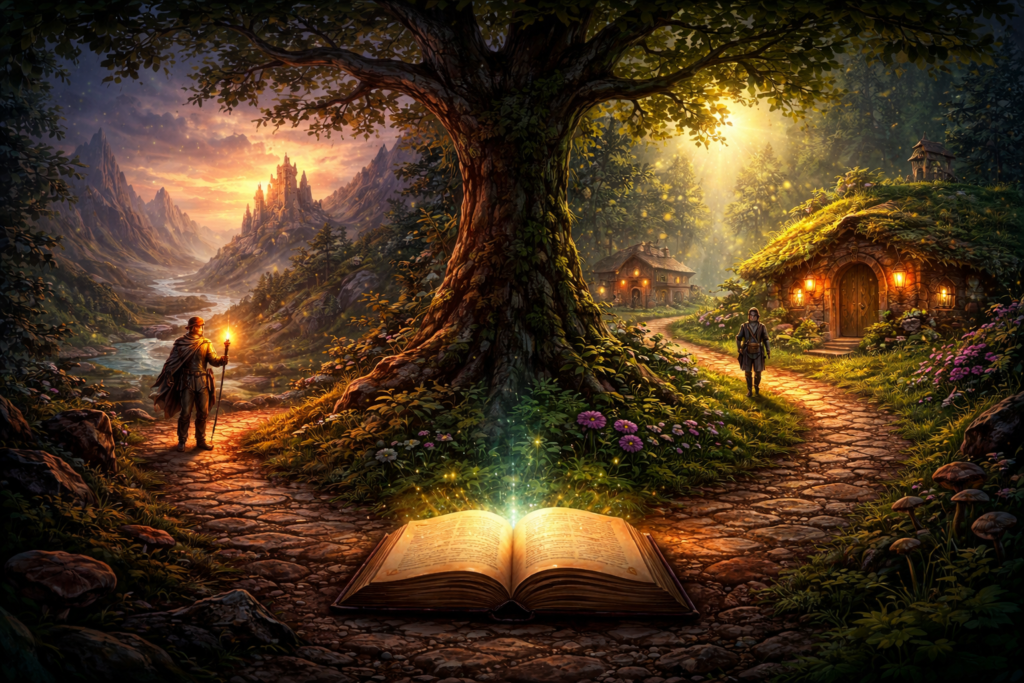
For years, I assumed my growing frustration with certain fantasy novels was a personal failing—shorter attention span, impatience, age. It turns out it wasn’t me at all. Fantasy has quietly split into two different kinds of books doing two very different things: story-first fiction and immersion-first fiction. Neither is wrong—but when you don’t know which one you’re reading, disappointment is almost guaranteed. This post is about naming that divide, understanding where it came from, and giving readers permission to stop blaming themselves when a “perfectly good” book just doesn’t work for them.

If someone is handing you absolute, black-and-white “rules” about writing, they’re full of crap.
Most of those commandments started life as reasonable cautions… before nuance died somewhere between a conference panel and a poorly edited podcast rant.
Real editors don’t enforce rules.
Real editors ask one question: Is this working for this story, this audience, this moment?
Follow every so-called rule perfectly and you won’t write a great book — you’ll just write a technically correct, emotionally flat one.
Rules can stop you from making mistakes.
They cannot help you make choices.
And writing is nothing but choices.

Hollywood franchises might be able to reset their storylines and expect fans to go along with it—but indie authors don’t get that luxury. Readers trust books to remember what came before. When we break that trust, we lose more than just continuity—we lose our audience. Here’s why honoring your story’s past isn’t a limitation—it’s your greatest creative tool.