sustainable publishing

The Most Valuable Reader You Will Ever Have

Discovery matters. Visibility matters. But the most valuable reader you’ll ever have isn’t the one who finds your book. It’s the one who chooses to stay connected after they do. Direct sales aren’t just about revenue—they’re about building relationships that can outlast platforms, algorithms, and marketplace changes.
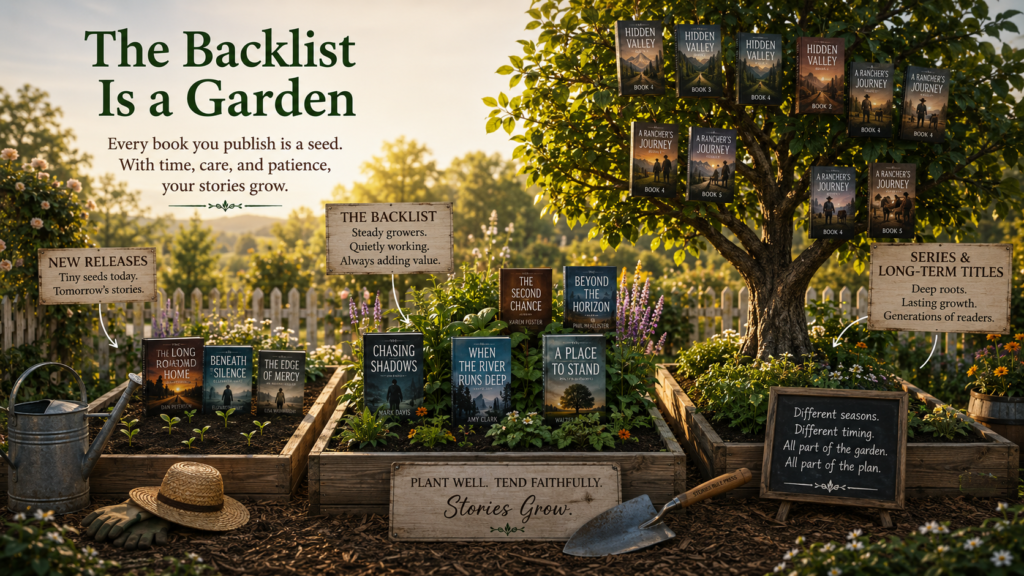

The Backlist Is a Garden

We spend a lot of time talking about launches in publishing. Launch week. Launch numbers. Launch strategies. But publishers eventually learn something authors often overlook: books aren’t just products. They’re plants. Some flourish immediately. Others take years to reach their full potential. The real strength of a publishing business isn’t found in a single launch—it’s found in a backlist that keeps growing, season after season.

Publishing Has Entered Its Horse Era

The indie gold rush is over. Publishing today feels less like striking it rich and more like pulling a plow through hard ground. Algorithms shift, discoverability shrinks, AI sludge floods storefronts, and the easy momentum is gone. But maybe that’s not a bad thing. Because hard eras reveal what actually matters: endurance, adaptability, direct relationships with readers, and authors willing to keep moving even when the road gets muddy. Welcome to publishing’s horse era.

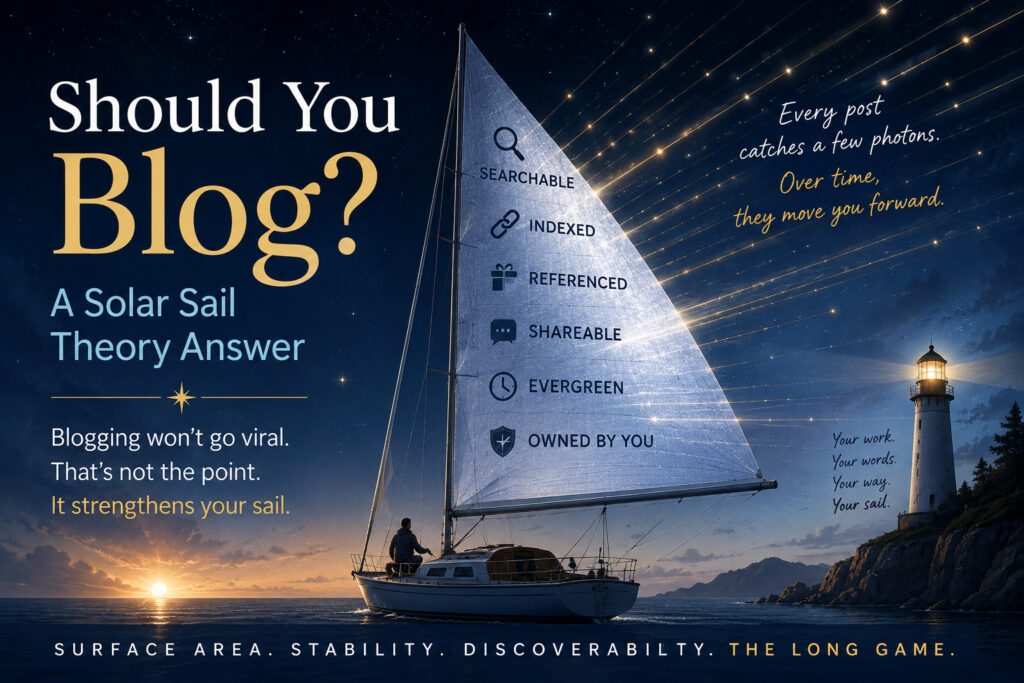
Should You Blog? A Solar Sail Theory Answer

Every few years, someone declares that blogging is dead. Usually loudly. Usually confidently. Usually while selling a course about the thing you’re supposedly meant to do instead.

But Solar Sail Theory asks a different question entirely: not whether blogging is fashionable, but whether it strengthens your discoverability surface area. In an era of disappearing social posts, algorithmic chaos, and AI-mediated search, blogging may be less about going viral—and more about building durable infrastructure that compounds over time.

Why We Don’t Chase Trends at Stories Rule Press

Trends come and go. One month it’s a trope, a cover style, or a subgenre everyone is chasing; six months later, the industry has already sprinted off after the next shiny object like a Labrador with three tennis balls and no self-control. At Stories Rule Press, we’ve made a different choice. We pay attention to the market, but we don’t build our catalogue around trends. We start with the story—and whether it’s the kind of world a reader can disappear into and want to return to years later.

Five Things People Get Wrong About Small Presses

“Small press” gets used as shorthand for all sorts of assumptions — temporary, amateur, stepping stone. But size isn’t a synonym for casual. A real small press is a business with systems, strategy, and long-term intent. Here are five of the biggest myths people still get wrong — and what actually matters instead.

What Will Never Change at Stories Rule Press

Publishing evolves. Tools change. Platforms come and go.
But some things at Stories Rule Press are non-negotiable.

Story comes first. Readers are respected. Authors are partners.

We don’t chase trends, we don’t play games with urgency, and we don’t let algorithms decide what gets published.

We believe in thoughtful growth, careful attention, and direct relationships with the people who actually read the books.

Because if it doesn’t serve the story, the author, and the reader—we don’t do it.

Why You’re Seeing More Kickstarter Campaigns from Stories Rule Press

You may have noticed more Kickstarter campaigns coming from Stories Rule Press lately—and that’s intentional. For us, Kickstarter isn’t about hype or pressure; it’s about collaboration. It lets us create special editions, fund higher-quality production, and work directly with readers who want to be part of a book’s journey from idea to finished story—without replacing traditional releases or forcing anyone down a single path.

Shopping Basket
Scroll to Top