The Productive Indie Fiction Writer

When Writing Isn’t Enough: The Harsh New Reality of Indie Income

In the early days of indie publishing, simply hitting “publish” could bring in income. Now? Discoverability is a battle, the market is saturated, and writing fiction full-time is a dream that more and more authors are having to compromise. This post digs into why multiple income streams aren’t a failure—they’re the new normal—and how indie authors can adapt without giving up.

From the Mailbag:  How do you organize yourself?

Juggling multiple pen names, a production pipeline, and the occasional bout of procrastination takes more than just caffeine and stubbornness—though those help. In this post, I break down exactly how I manage my writing and publishing schedule, from rotating pen names to keeping six+ books in postproduction at once. I also explain why I never write more than one book at a time and how I use a 300-step checklist to keep my head (mostly) attached.

What Happens When You Stop Telling Yourself You’re a Slow Writer

I thought I was stuck at 1,200 to 1,300 words per hour because I had been for years. But I wasn’t. I was just telling myself I was. This month, I’ve finished one book, written another in nine days, and started plotting a third—all while juggling a demanding side gig. If you think you can’t write faster, maybe it’s time to stop believing that.

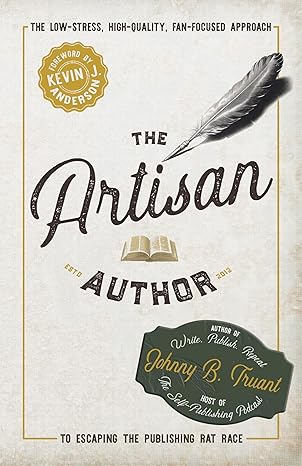
Review of The Artisan Author by Johnny B. Truant

“At its heart, this book offers a liberating proposal: don’t play the game as it’s currently defined. Walk away from algorithm worship, punishing release schedules, and the grind of selling at 99 cents to churn-hungry subscription readers. Instead, write what you want to write, at the pace that suits you, and charge a fair price for your work.”

Writing working to beat the clock.

Puzzle-Piece Scheduling: A Writing Model for the Non-Marathoner

What if, instead of waiting for those rare marathon writing sessions, you fit your writing into the cracks of your day—one or two hours at a time? Puzzle-Piece Scheduling is about breaking your writing into smaller chunks that still add up to real progress. It’s not about being perfect—it’s about being consistent. Even short sprints can keep your story warm and moving forward.

Your Genre is Killing You — Here’s How to Break Up With It

There’s a question that haunts a lot of indie fiction writers, particularly after the third burned-out book in a series they don’t even want to read anymore:

Am I selling out if I quit this genre and write what I actually want to write?

Short answer: No, you’re not selling out. You’re probably saving your sanity.

Longer answer? Let’s get into it.

Shopping Basket
Scroll to Top