writing process

Before You Send Your Manuscript to an Editor

Typing “The End” feels like the finish line—but it’s actually the start of the next phase. Before you send your manuscript to an editor, there’s important work to do first. Let the story rest, read it again with fresh eyes, fix the obvious issues, and understand what type of editing your book really needs. The more polished your manuscript is before it reaches an editor, the more valuable—and effective—the editing process will be.
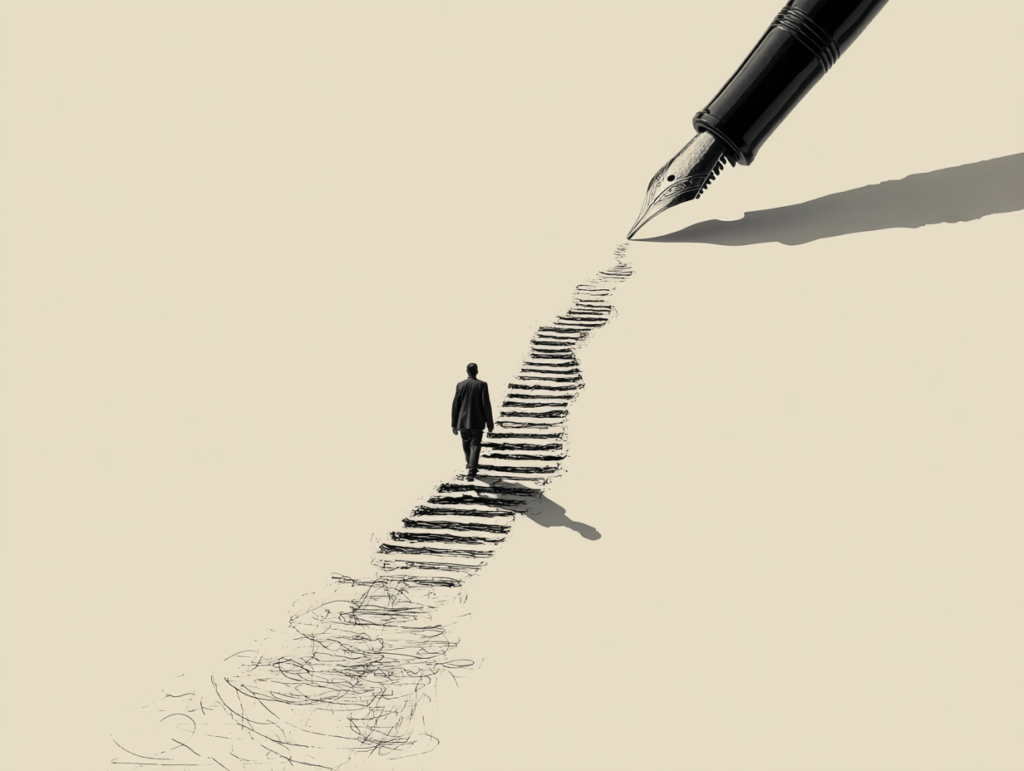
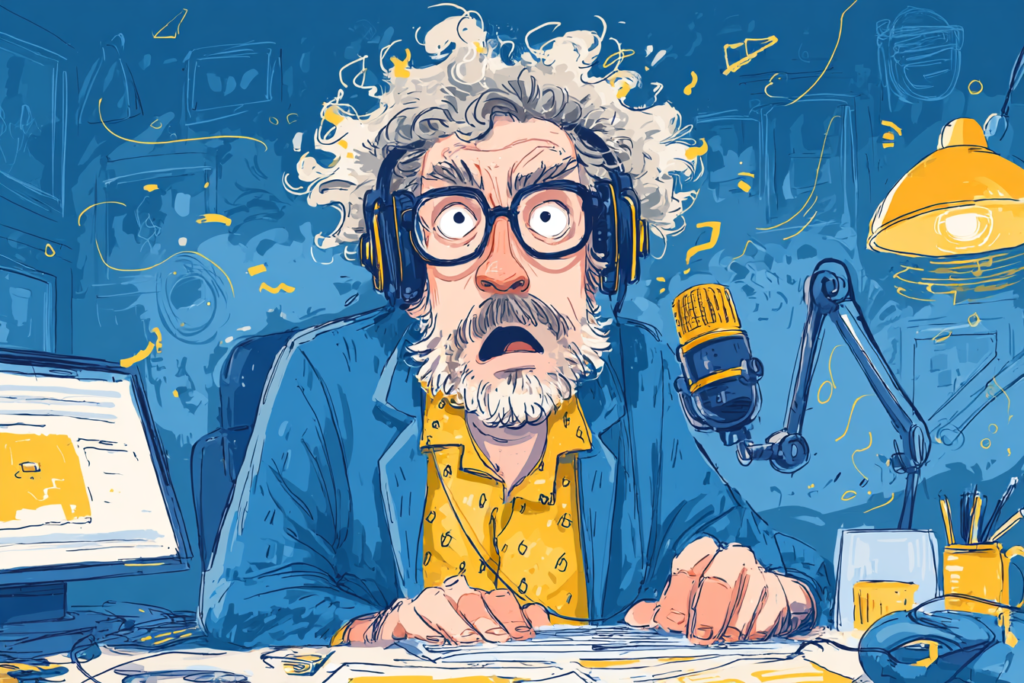
Five Things Editors Wish Writers Knew

After you’ve been editing fiction for a while, patterns emerge — not in the stories, but in the expectations writers bring to the process. Editing isn’t about fixing broken books or policing commas. It’s about helping a manuscript work the way the author intended: with clarity, emotional logic, and structural strength. Here are five things editors quietly wish every writer understood before the red pen ever comes out.

The Top Five Misconceptions About Authors

People have a general sense of what authors do, but that sense is… impressionistic. Which leads to some wonderfully confident assumptions about money, inspiration, and what happens after a book is published. In the spirit of public service, here are five of the most persistent misconceptions about authors—and what the job actually looks like from the inside.

Ningaloo: Deadly, Beautiful, and Still Real

In Ningaloo Nights, the stunning Australian outback isn’t just a backdrop—it’s a character all on its own: beautiful, remote, and deadly if you don’t know what you’re doing. When beta readers questioned whether I’d exaggerated the dangers, I had to assure them—every survival detail in the book is true. Growing up around Ningaloo taught me that nature doesn’t pull punches. But oh, the beauty is worth every ounce of caution.

Mastering the Scene: Why Your Novel Depends on It

A novel isn’t a pile of words—it’s a chain of well-built scenes. This post breaks down the five parts of a powerful scene (from Inciting Incident to Resolution) and why scene craft is the difference between a draft and a publishable book.

If You’re Not Crying, You’re Doing It Wrong

Writing fiction should make you feel something. If you’re not laughing, crying, or at least smirking at your own words, your readers won’t either. Emotional resonance starts with the writer. From cardboard characters to scenes that don’t belong, here are five reasons your story might be falling flat—and what to do about it.

Jacobine vs. Billings: Who’s More Fun to Torture?

One of the perks of writing thrillers is getting to torture characters. Jacobine makes me work harder—she’s deadly, clever, and never blinks. Billings, though, is convinced he’s in control…until the floor drops. Who’s more fun to torment: the nun with a gun, or the cocky spook?

Shopping Basket
Scroll to Top