January 2026

Why Do We Keep Building Galactic Empires in Sci-Fi?

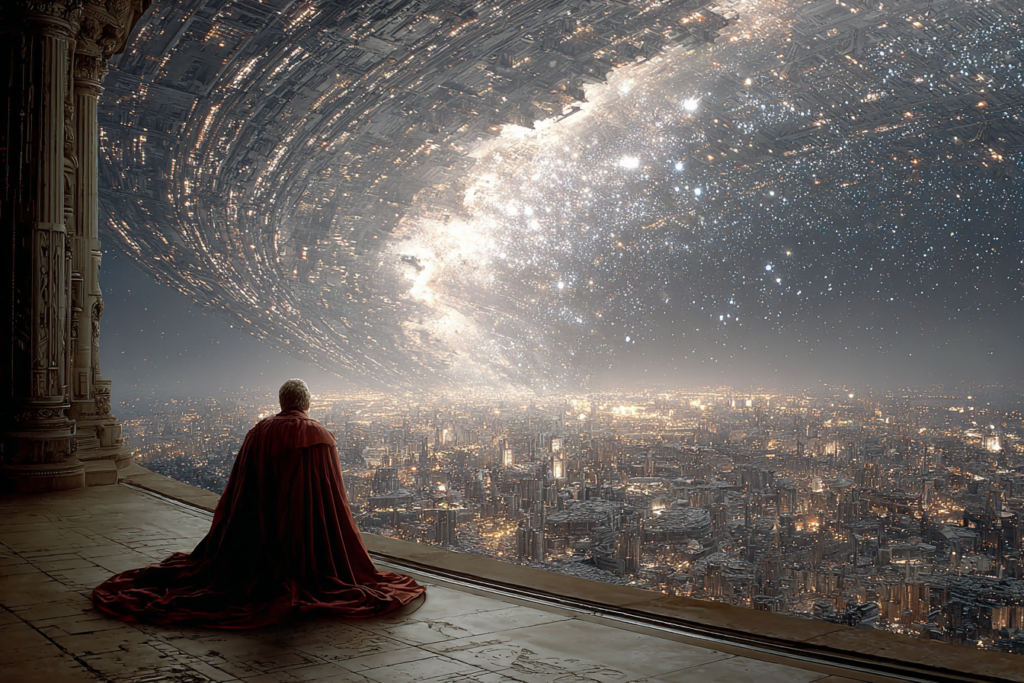
Galactic empires are everywhere in science fiction—ruling star systems with absolute power, ripe for rebellion or decay. I’ve written a few myself… and torn them down just as quickly. But why do we keep returning to this political model, especially when it’s always doomed to fall? From Dune to Foundation, and even John Scalzi’s surprisingly heartfelt Collapsing Empire, we seem obsessed with watching these mighty regimes unravel. I’ve got theories. But I’m also genuinely curious what draws readers back to the throneworld.
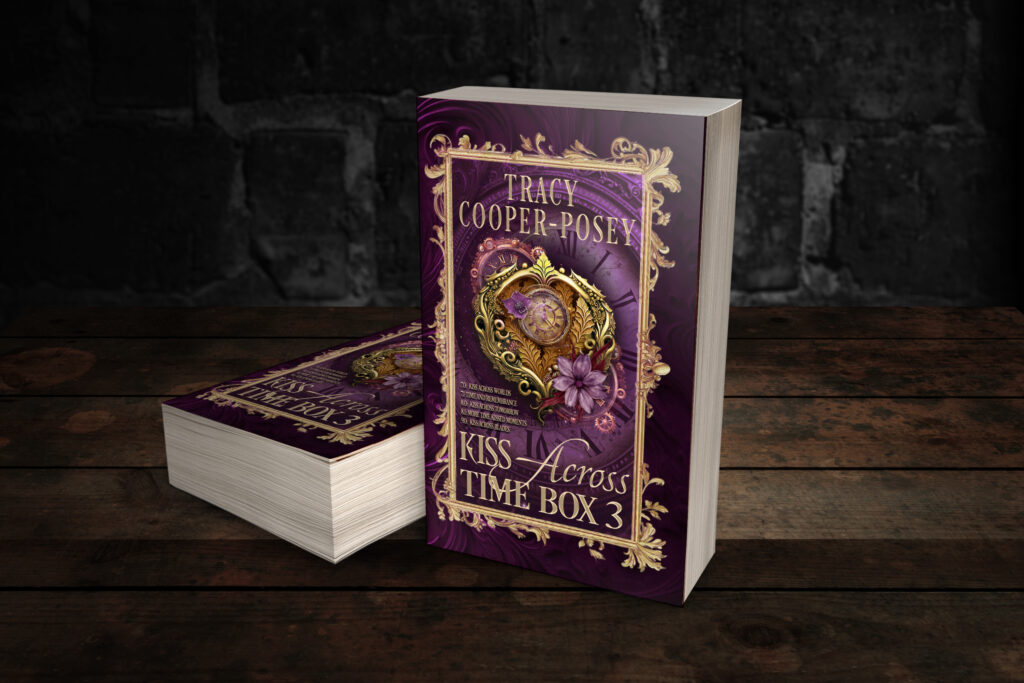

New Paranormal Romance Collection from Tracy Cooper-Posey

The timelines are no longer bending.
They’re breaking.

Across centuries, lovers are separated, history is rewritten, and a family of vampires and time travellers discover that the past is no longer safe — and neither is the future.

In Kiss Across Time Box Three, saving the people you love may mean risking the collapse of time itself.

Five Things Editors Wish Writers Knew

After you’ve been editing fiction for a while, patterns emerge — not in the stories, but in the expectations writers bring to the process. Editing isn’t about fixing broken books or policing commas. It’s about helping a manuscript work the way the author intended: with clarity, emotional logic, and structural strength. Here are five things editors quietly wish every writer understood before the red pen ever comes out.

The Top Five Misconceptions About Authors

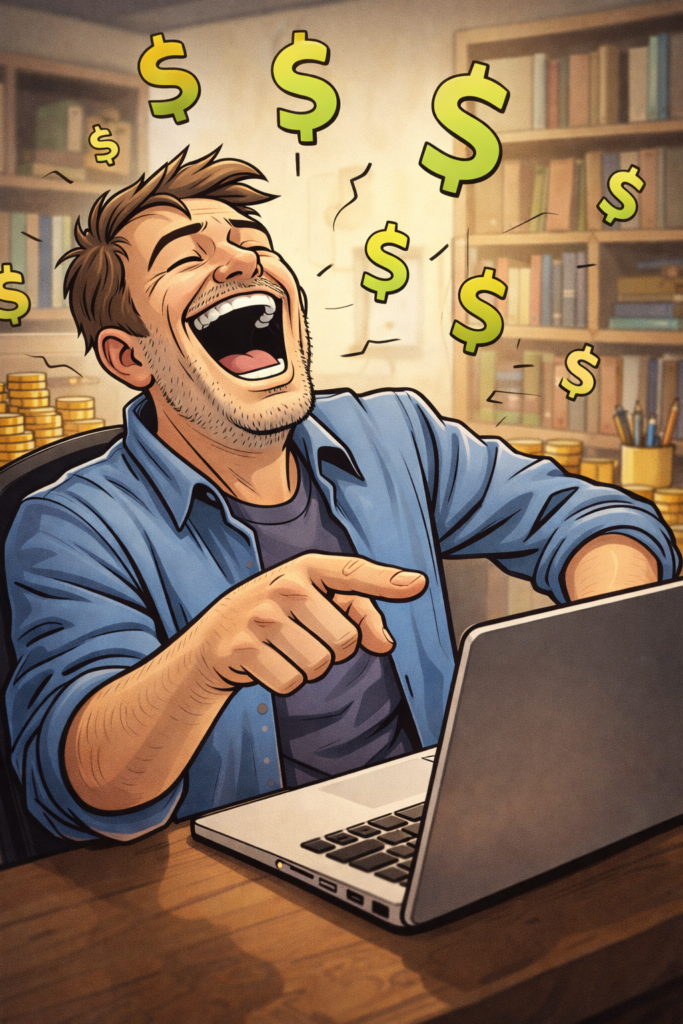
People have a general sense of what authors do, but that sense is… impressionistic. Which leads to some wonderfully confident assumptions about money, inspiration, and what happens after a book is published. In the spirit of public service, here are five of the most persistent misconceptions about authors—and what the job actually looks like from the inside.

Don’t Mess With Fairies

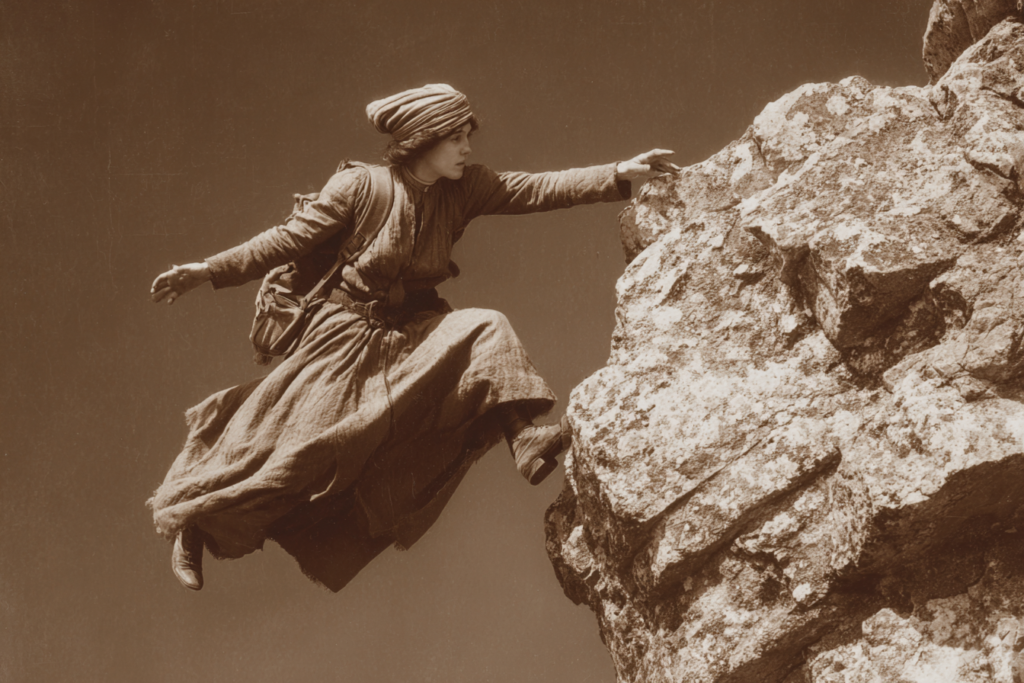
Fairies aren’t small, sweet, or safe. In modern fantasy, the Fae are terrifying, full-sized, and operating on their own brutal logic. From Charlaine Harris to Holly Black, this post explores the sharp-toothed truth behind the folklore—and why I prefer my fairies dangerous.

Trad vs Indie in 2026, Part III

Most authors aren’t confused about how traditional and indie publishing work. They’re confused because they’re emotionally attached to what they want those systems to be. In 2026, choosing between trad, indie, or anything resembling “hybrid” isn’t about legitimacy or dreams of a writing career. It’s about understanding which system you’re willing to depend on — corporations behaving well, or yourself. This is the part nobody says out loud.

Farewell to On Spec: A Pillar of Canadian SF Bids Goodbye

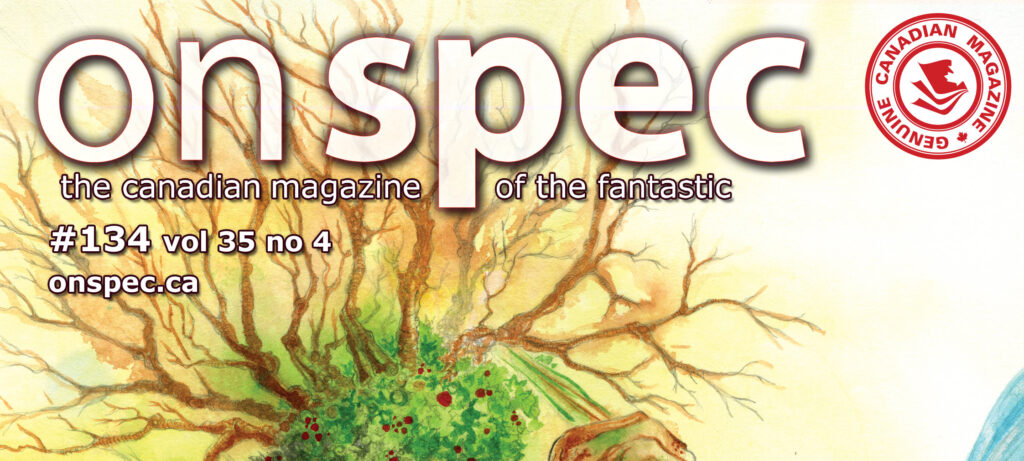
After 35 years, On Spec magazine is closing its doors—a loss not just for Canadian science fiction, but for the speculative fiction world at large. Based in Edmonton, On Spec championed stories with a uniquely Canadian voice and offered a home for emerging and established writers alike. Its final issue, The Final Voyage, marks the end of an era and raises the ever-relevant question: is this just another case of magazine churn, or a sign of the times?

Why You’re Seeing More Kickstarter Campaigns from Stories Rule Press

You may have noticed more Kickstarter campaigns coming from Stories Rule Press lately—and that’s intentional. For us, Kickstarter isn’t about hype or pressure; it’s about collaboration. It lets us create special editions, fund higher-quality production, and work directly with readers who want to be part of a book’s journey from idea to finished story—without replacing traditional releases or forcing anyone down a single path.

Cliffhangers

Readers don’t actually hate cliffhangers.
They hate being cheated.

What they’re reacting to isn’t tension or anticipation—it’s a broken promise. An ending that withholds resolution, slices a single story into artificial chunks, or stops mid-thought without delivering what the book itself set up isn’t a cliffhanger at all. It’s a contract breach.

A real cliffhanger resolves the story you promised to tell—and then opens the door to the next problem. It creates momentum, not confusion. When done right, the reader doesn’t feel tricked. They feel hooked.

Shopping Basket
Scroll to Top