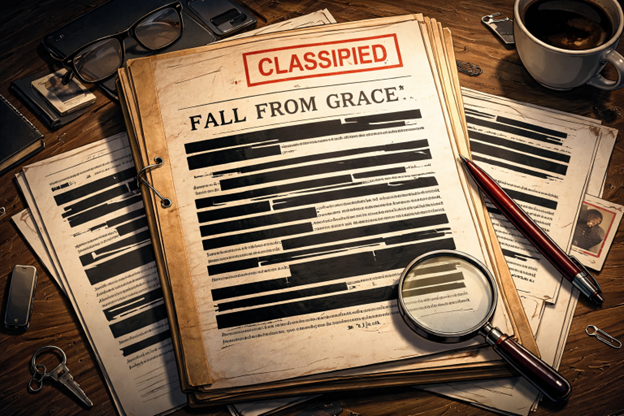
Fall From Grace — Status Update (Heavily Redacted)
This report has been heavily redacted for your protection. What remains suggests rising tension, narrowing margins, and at least one person who isn’t telling the truth.
Ever sit down with a book thinking you’ll read just one chapter before bed… and suddenly it’s 2:03 a.m.? Mark Posey confesses why those “just one more chapter” moments are sometimes a little bit deliberate—and why writers secretly love hearing about them.
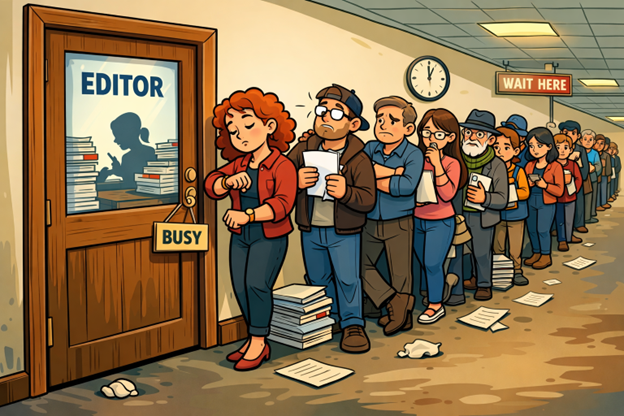
Typing “The End” feels like the finish line—but it’s actually the start of the next phase. Before you send your manuscript to an editor, there’s important work to do first. Let the story rest, read it again with fresh eyes, fix the obvious issues, and understand what type of editing your book really needs. The more polished your manuscript is before it reaches an editor, the more valuable—and effective—the editing process will be.
Writers spend months — sometimes years — alone in a room inventing characters, places, and entire worlds. It can start to feel like writing is a solitary act. But the truth is, a story isn’t finished when the writer types the last sentence. It comes alive when someone reads it. When a reader laughs, gasps, misses their bus stop, or stays up far too late turning pages — that’s when the story truly becomes real.
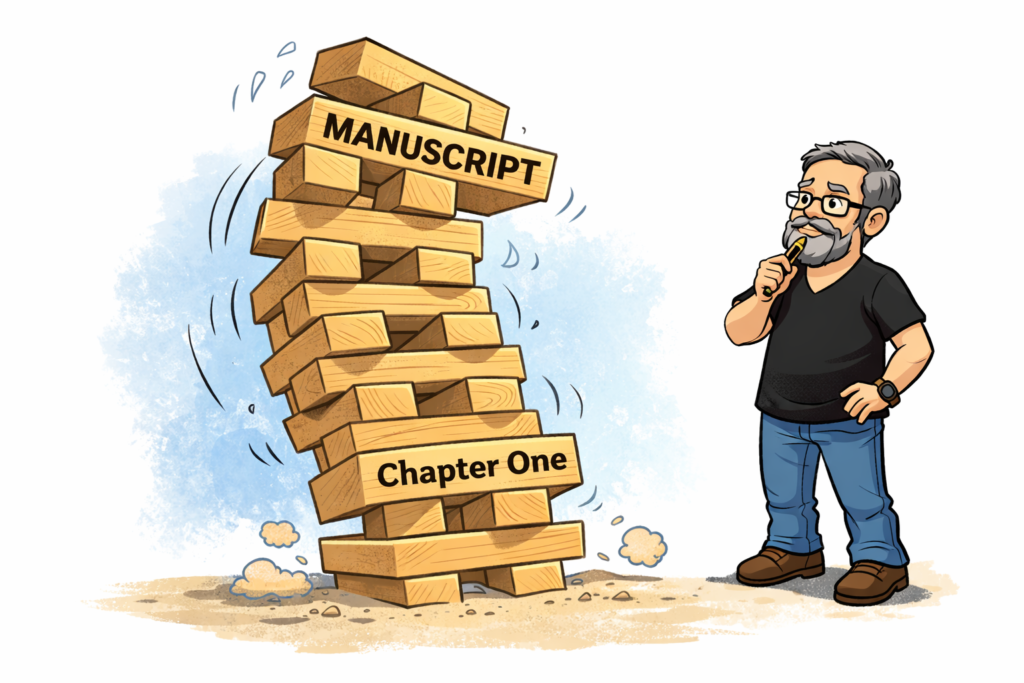
Most manuscripts don’t fail because the author lacks talent—they fail because Chapter One doesn’t do its job. Chapter One isn’t a warm-up, a weather report, or a backstory dump. It’s a promise to the reader about what kind of story they’re about to experience. If nothing is off-balance, nothing is at risk, and nothing is changing, the reader is left asking the most dangerous question in fiction: Why am I here?
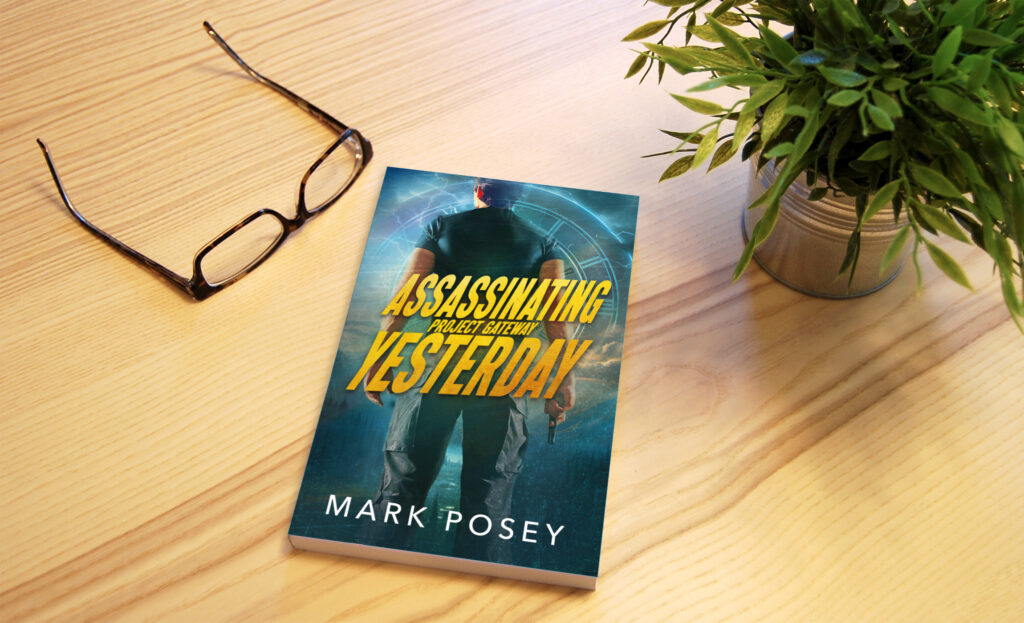
I forgot to bring my own time-travel thriller to the market. Not sold out—forgot to order it. Which is impressive, considering I wrote it. If you like high-stakes time travel, moral consequences, and science that actually matters, this is your reminder.
Good editing doesn’t draw attention to itself. When it works, readers never notice it at all — they simply fall into the story. Editing isn’t about rewriting an author’s voice or showing off clever fixes. It’s about removing the friction that causes readers to hesitate, lose momentum, or quietly stop turning pages.
A writer’s mind doesn’t stop at a strange thought — it follows it past the point most people turn back. Somewhere along that drift, reality starts to feel negotiable… and a story begins to breathe.
Writers sometimes send manuscripts to an editor hoping the edit will “make it work.” But when the foundation of the story is cracked — weak character arcs, passive scenes, or conflict happening offstage — no amount of line editing can fix it. Editing refines what already works; it doesn’t rebuild the structure. Knowing the difference can save writers money, frustration, and a lot of misplaced hope.
Ideas don’t arrive fully formed. They start as small, sideways questions — the kind that won’t leave you alone once they land. That’s where stories actually come from.