Author name: Tracy at The Productive Indie Fiction Writer

When Writing Isn’t Enough: The Harsh New Reality of Indie Income

In the early days of indie publishing, simply hitting “publish” could bring in income. Now? Discoverability is a battle, the market is saturated, and writing fiction full-time is a dream that more and more authors are having to compromise. This post digs into why multiple income streams aren’t a failure—they’re the new normal—and how indie authors can adapt without giving up.

From the Mailbag:  How do you organize yourself?

Juggling multiple pen names, a production pipeline, and the occasional bout of procrastination takes more than just caffeine and stubbornness—though those help. In this post, I break down exactly how I manage my writing and publishing schedule, from rotating pen names to keeping six+ books in postproduction at once. I also explain why I never write more than one book at a time and how I use a 300-step checklist to keep my head (mostly) attached.

What Happens When You Stop Telling Yourself You’re a Slow Writer

I thought I was stuck at 1,200 to 1,300 words per hour because I had been for years. But I wasn’t. I was just telling myself I was. This month, I’ve finished one book, written another in nine days, and started plotting a third—all while juggling a demanding side gig. If you think you can’t write faster, maybe it’s time to stop believing that.

Dictation vs. Typing: The Pros, the Cons, and Why I’m Sticking With My Keyboard (For Now)

After my fourth serious trial, I’m calling it: for me, dictation is dead—at least for now. The modest bump in words per hour just doesn’t outweigh the tech friction, location lock-in, and editing overhead. If dictation plus clean-up time gets you more net words than typing, go for it. But if you’re already a clean, fast typist, the numbers might tell you to stick with your keyboard.

Mastering Your To-Do List (Or: Why Half-Assing It Will Sink Your Writing Career)

A half-used task manager is worse than none at all. It lulls you into thinking you’re organized while your real workload smolders quietly in the background. As indie authors, we can’t afford that. There are just too many moving parts. The right system—used properly—turns chaos into calm, lets you stop reacting to fires, and helps you finally make space for the deep, strategic work that actually grows your career. Like, you know…writing.

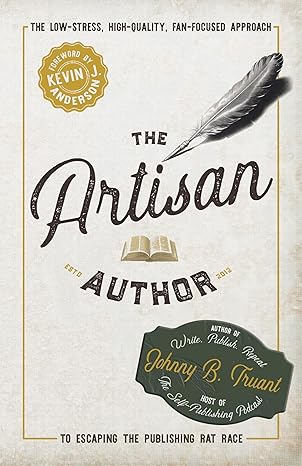
Review of The Artisan Author by Johnny B. Truant

“At its heart, this book offers a liberating proposal: don’t play the game as it’s currently defined. Walk away from algorithm worship, punishing release schedules, and the grind of selling at 99 cents to churn-hungry subscription readers. Instead, write what you want to write, at the pace that suits you, and charge a fair price for your work.”

Writing working to beat the clock.

Puzzle-Piece Scheduling: A Writing Model for the Non-Marathoner

What if, instead of waiting for those rare marathon writing sessions, you fit your writing into the cracks of your day—one or two hours at a time? Puzzle-Piece Scheduling is about breaking your writing into smaller chunks that still add up to real progress. It’s not about being perfect—it’s about being consistent. Even short sprints can keep your story warm and moving forward.

How to Stop Procrastinating (Without Spending 4.5 Hours To Do It)

Mark Manson recently released a 4.5-hour video on how to stop procrastinating—which sounds like a great way to procrastinate for 4.5 hours. At The Productive Indie Fiction Writer, we’ve tackled this beast from every angle. This post pulls together some greatest hits, a few uncomfortably true quotes, and a flexible mindset to help you find your way around the monster.

Shopping Basket
Scroll to Top