Four Hobbits, One Expo and an Editorial Frenzy

The four hobbits from Peter Jackson’s Lord of the Rings films are reuniting at Fan Expo Edmonton—and I may get the chance to interview one of them. Who would you choose to talk to: Frodo, Sam, Merry, or Pippin? Here’s who I’d pick (and why).

Dictation vs. Typing: The Pros, the Cons, and Why I’m Sticking With My Keyboard (For Now)

After my fourth serious trial, I’m calling it: for me, dictation is dead—at least for now. The modest bump in words per hour just doesn’t outweigh the tech friction, location lock-in, and editing overhead. If dictation plus clean-up time gets you more net words than typing, go for it. But if you’re already a clean, fast typist, the numbers might tell you to stick with your keyboard.

Boudicca: The Celtic Queen Who Dared Rome

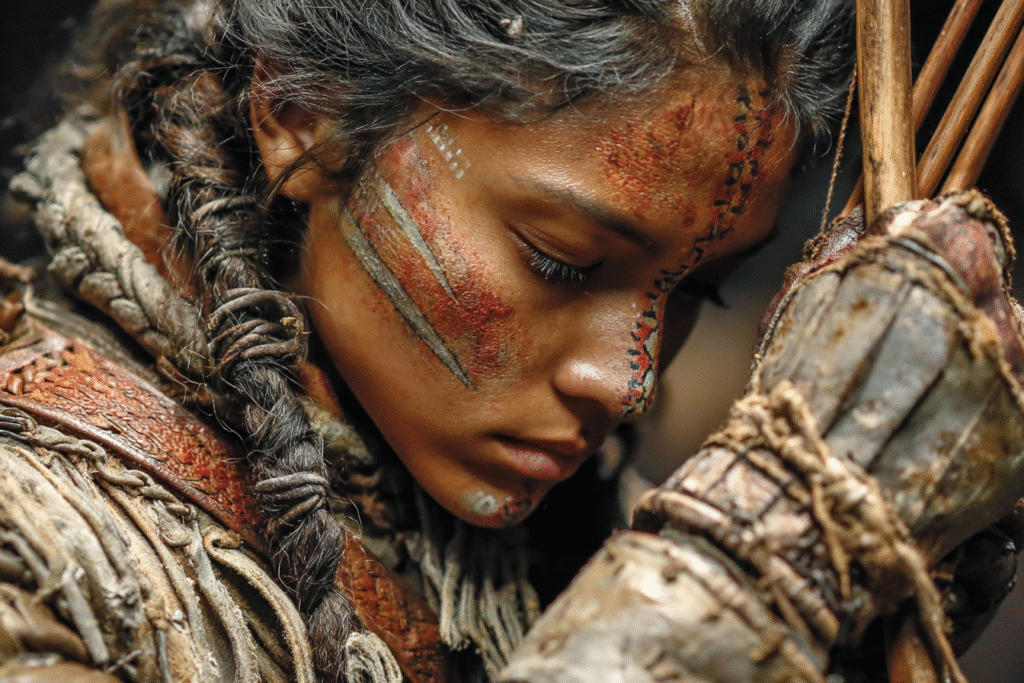
Boudicca wasn’t just a queen—she was an inferno wrapped in iron. After the Romans flogged her and assaulted her daughters, she rallied her tribe and scorched a path through Roman Britain so fierce, it still smolders in the national memory. She’s not just part of history—she is history. And maybe, just maybe, she shares blood with Arthur himself. The stories blur. The legends tangle. But oh, what a tale they tell.

Mastering Your To-Do List (Or: Why Half-Assing It Will Sink Your Writing Career)

A half-used task manager is worse than none at all. It lulls you into thinking you’re organized while your real workload smolders quietly in the background. As indie authors, we can’t afford that. There are just too many moving parts. The right system—used properly—turns chaos into calm, lets you stop reacting to fires, and helps you finally make space for the deep, strategic work that actually grows your career. Like, you know…writing.

One Simple Trick to Make Your Dialogue Instantly Stronger

Struggling with clunky conversations or over-the-top dialogue tags? Clean, compelling dialogue doesn’t just sound real — it works hard to reveal character, build tension, and move your story forward. Here’s how to write dialogue that earns its place on the page.

What the Hell is Futa Fiction?

“Futa fiction comes from the Japanese term futanari, and generally refers to erotic fiction where characters have both male and female anatomical features. It’s niche, it’s quirky—and it’s a perfect example of how wonderfully fractured fiction has become. These days there’s a sub-genre for every taste… and half the fun is discovering something new.”

Shopping Basket
Scroll to Top