book marketing

Direct Sales and Removing Drag

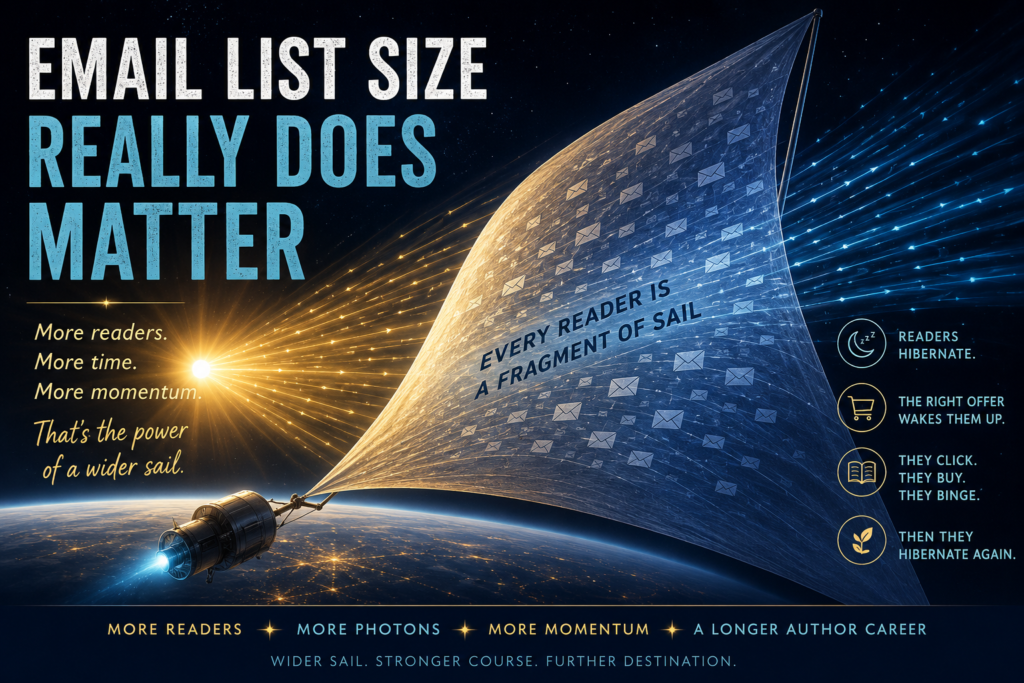
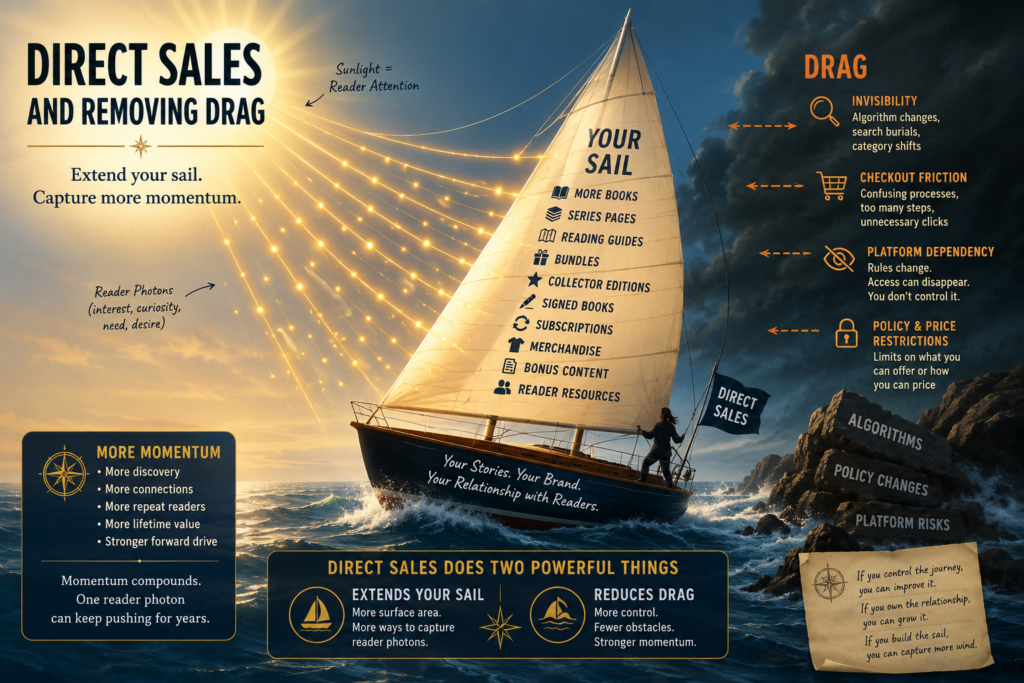
Selling direct isn’t just about keeping a larger share of the sale. From a Solar Sail Theory perspective, direct sales does something even more valuable: it extends your sail and reduces drag at the same time. Every product page, bundle, subscription, and reader resource becomes another opportunity for discovery, while direct relationships with readers create momentum that can continue for years. At the same time, selling direct reduces your dependence on retailer algorithms, visibility changes, and platform policies. Sometimes the best business decisions solve more than one problem at once—and direct sales is one of them.

Why We Still Believe in Backlists

Most products fade quickly after launch. Books rarely do. At Stories Rule Press, we believe great stories have a long life, finding new readers months, years, and even decades after publication. That’s the enduring power of a strong backlist—and why we’re building a library for the long term, one story at a time.

Being Seen: Why Visibility Matters More Than Virality

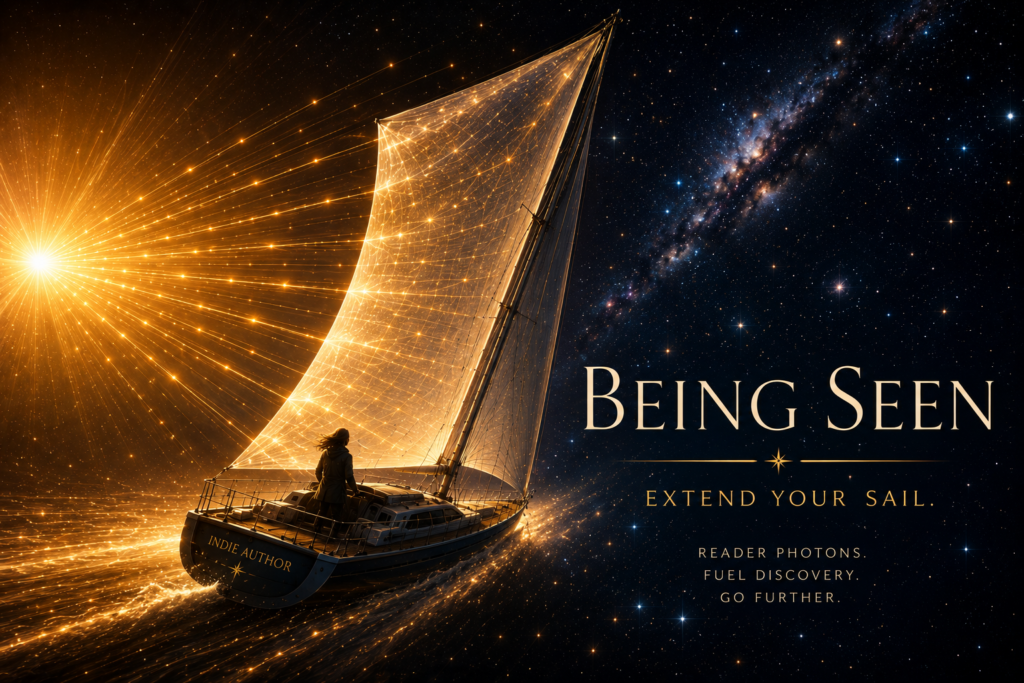
Most indie authors think “marketing” means chasing algorithms, posting endlessly on social media, and trying to become an influencer. No wonder so many writers recoil from it. But the “Being Seen” part of Solar Sail Theory is much simpler — and far more sustainable. You are not trying to become famous. You are trying to become findable. Visibility that compounds over time, through podcasts, guest posts, searchable discussions, live events, and relationships, creates a sail that keeps catching reader photons long after the original effort ends.

Publishing Has Entered Its Horse Era

The indie gold rush is over. Publishing today feels less like striking it rich and more like pulling a plow through hard ground. Algorithms shift, discoverability shrinks, AI sludge floods storefronts, and the easy momentum is gone. But maybe that’s not a bad thing. Because hard eras reveal what actually matters: endurance, adaptability, direct relationships with readers, and authors willing to keep moving even when the road gets muddy. Welcome to publishing’s horse era.

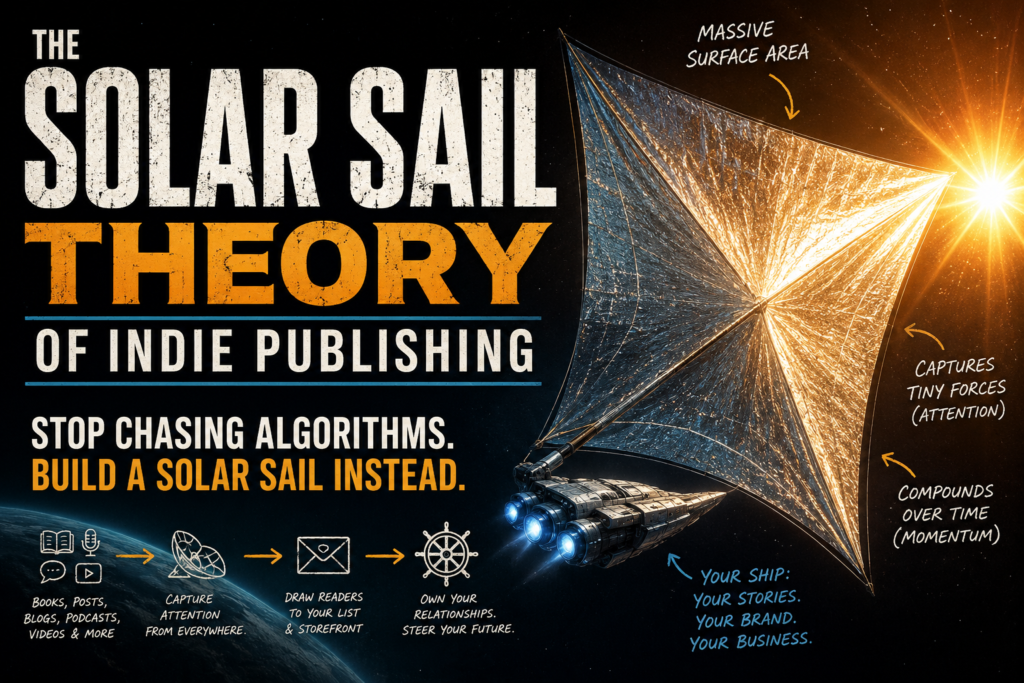
The Solar Sail Theory of Indie Publishing

Daily sales are sinking. Organic reach has collapsed. AI-generated sludge is flooding storefronts while retailers tighten their grip on discoverability. Indie authors are being told to do more of everything — more books, more ads, more social media, more platforms — while the systems underneath us become increasingly unstable and hostile.

The Solar Sail Theory of Indie Publishing offers a different approach.

Instead of chasing endless “rocket launch” marketing spikes, authors can build long-term momentum by expanding their discoverable surface area across the internet and in real life, then channeling that attention into owned reader relationships through websites, email lists, and direct sales.

A solar sail doesn’t move through explosive force. It moves by capturing thousands of tiny forces over time.

So can an indie author career.

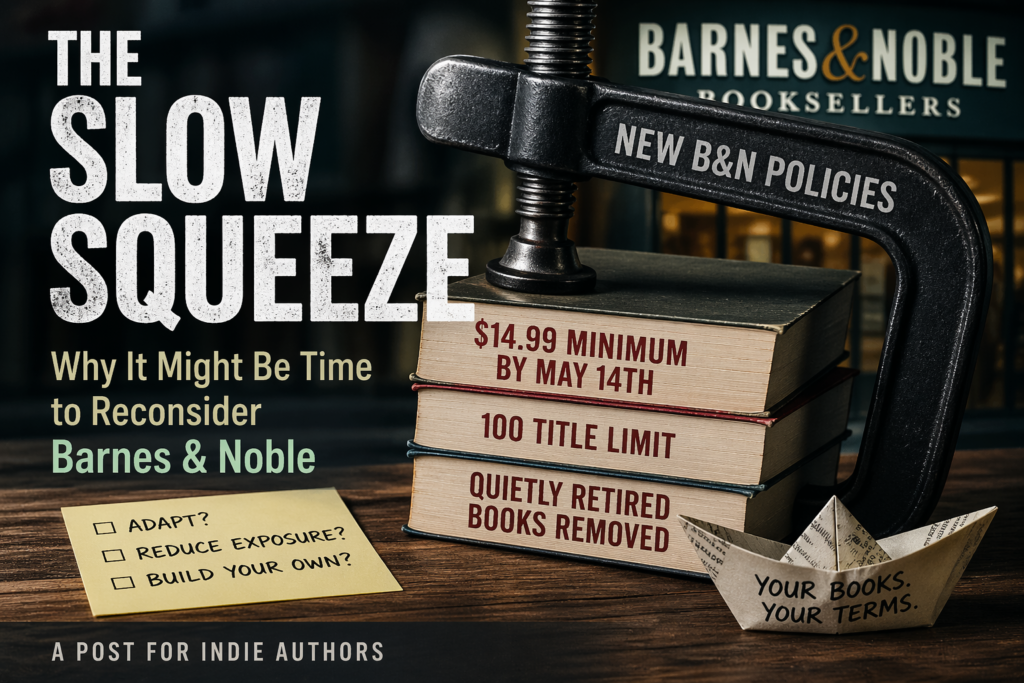
The Slow Squeeze: Why It Might Be Time to Reconsider Barnes & Noble

Barnes & Noble didn’t send a warning shot—they sent a deadline. Raise your paperback prices to $14.99 by May 14th, or your books are gone. For indie authors working in short fiction or maintaining deep backlists, that’s not a tweak. It’s a hard stop. And it’s only the latest move in a pattern that’s quietly reshaping who—and what—belongs on the platform. The question isn’t whether these changes are fair. It’s whether your publishing strategy can survive them.

Why Indie Authors Don’t Appear on “Most Anticipated” Lists — And Why That’s a Good Thing

Why do indie author books never show up on “Most Anticipated” lists? It’s not about quality—it’s about how the indie world works. From short release timelines to direct-to-reader communication, indie publishing plays a different game entirely. Here’s why that’s actually a very good thing for readers who love immersive series, creative freedom, and stories that don’t wait for marketing schedules.

The Top Five Misconceptions About Authors

People have a general sense of what authors do, but that sense is… impressionistic. Which leads to some wonderfully confident assumptions about money, inspiration, and what happens after a book is published. In the spirit of public service, here are five of the most persistent misconceptions about authors—and what the job actually looks like from the inside.

Shopping Basket
Scroll to Top