fantasy readers

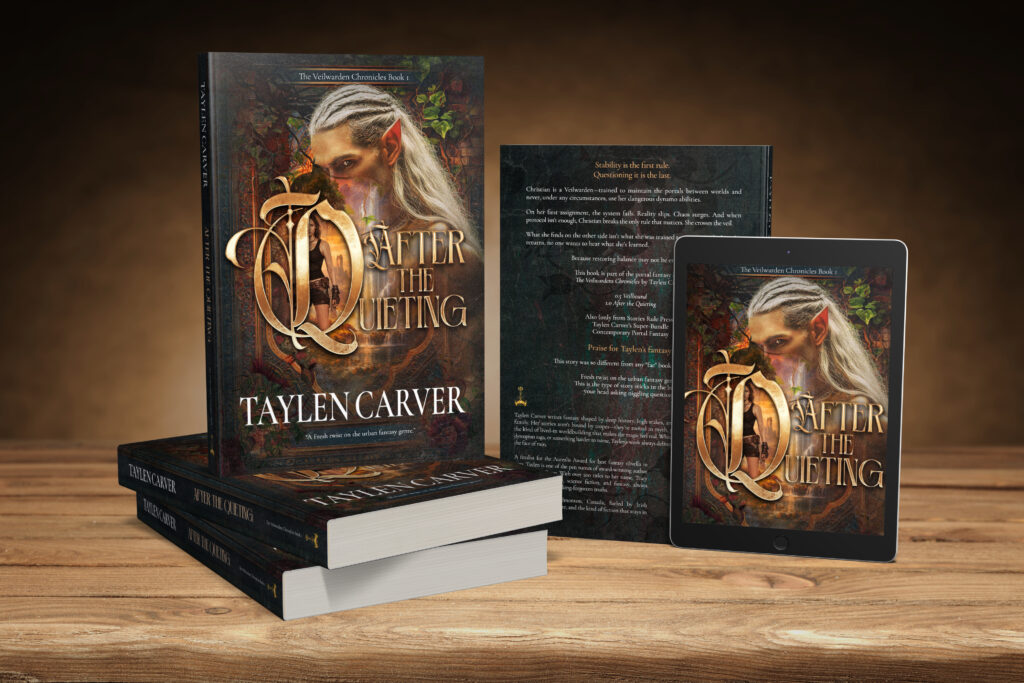
AFTER THE QUIETING Is Out Today

The Veilwardens have spent generations maintaining the portals between Terra and Aethryn, certain that the balance between the worlds must be preserved at all costs.

But what if the balance isn’t what they think it is?

In Quieting, old assumptions begin to crack, strange events grow harder to explain, and Riva Thorn finds herself questioning truths she has always accepted.

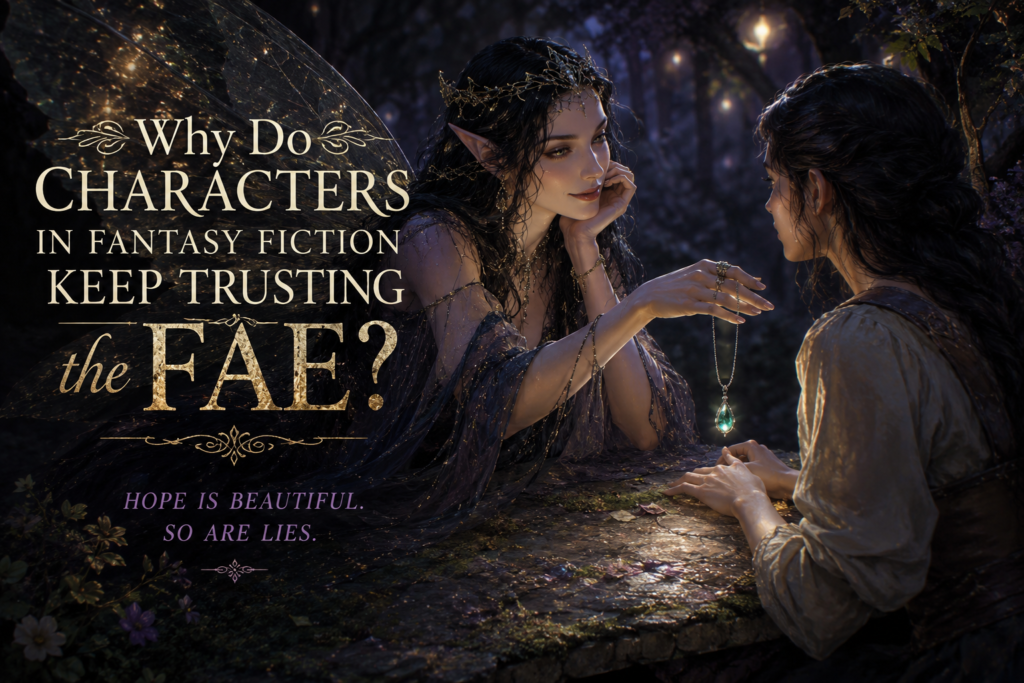
Why Do Characters in Fantasy Fiction Keep Trusting the Fae?

Why do fantasy characters keep trusting the fae when centuries of stories warn them not to? The answer isn’t stupidity—it’s hope. The fae offer solutions when no one else can, promise the impossible, and often appear as beautiful, fascinating beings who seem to understand exactly what a person needs. In this post, we’ll explore the surprisingly human reasons characters continue to trust the fae, despite all the risks.

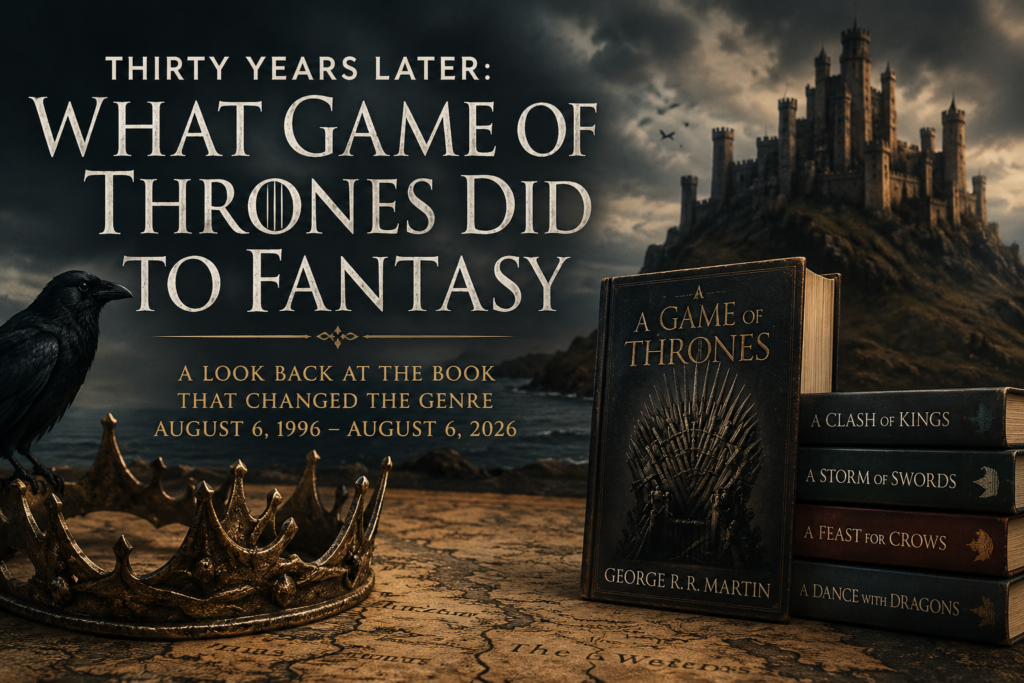
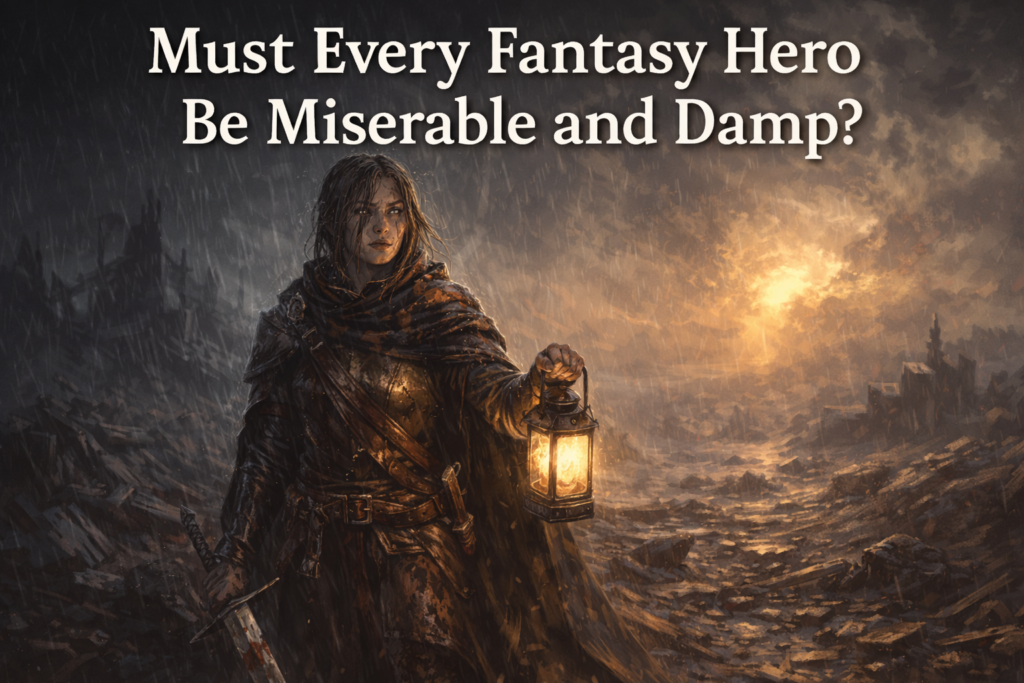
Thirty Years Later: What Game of Thrones Did To Fantasy

Thirty years after A Game of Thrones changed fantasy forever, it’s worth asking what the genre gained — and what it may have lost along the way. From the rise of grimdark and political fantasy to sprawling epic series and morally compromised heroes, George R. R. Martin’s influence is impossible to ignore. But as fantasy readers increasingly rediscover wonder, heroism, and adventure, has the pendulum finally begun swinging back?

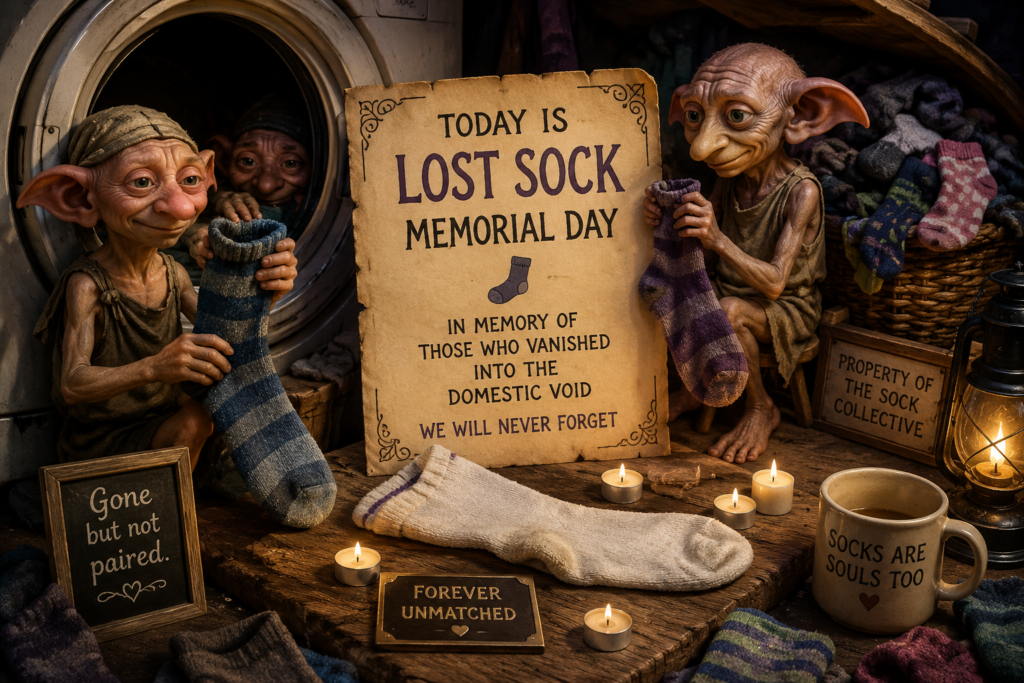
Lost Sock Memorial Day and the Great Fantasy Sock Conspiracy

Today is Lost Sock Memorial Day, and fantasy readers know perfectly well that socks do not simply “go missing.” Somewhere beyond the washing machine lurks an unseen kingdom of fae creatures, goblins, or possibly liberated house elves, all conducting mysterious business with our unmatched footwear. After all, fantasy has immortalized swords, crowns, rings… and at least one very important sock.

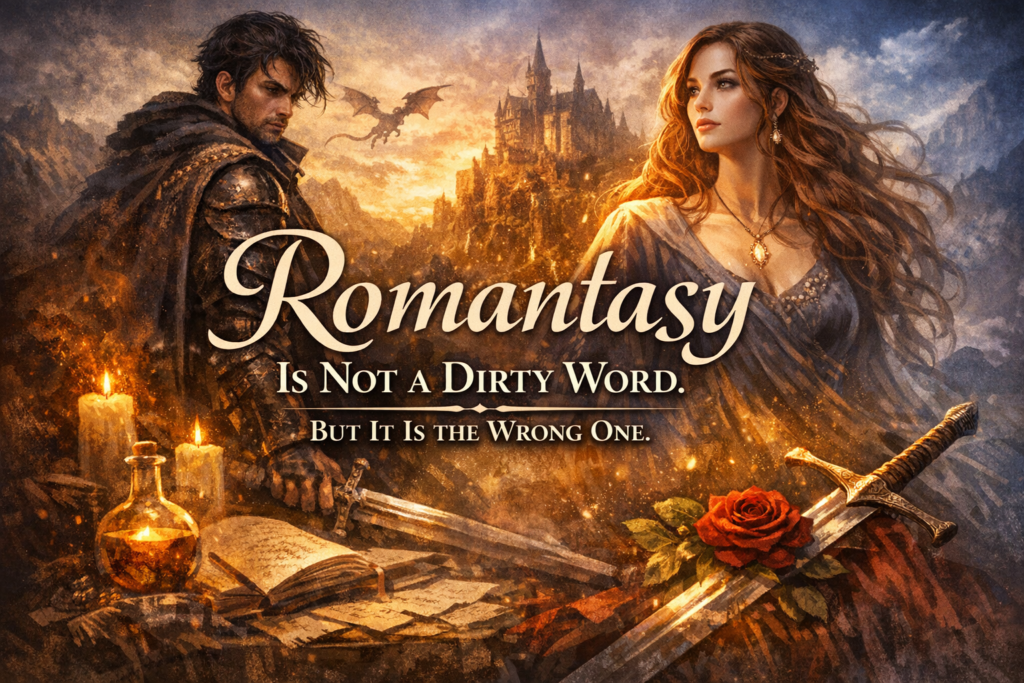
“Romantasy” Is Not a Dirty Word. But It Is the Wrong One.

Fantasy author Danielle L. Jensen recently pushed back against the “romantasy” label, arguing that it reduces complex fantasy novels to “there was kissing, therefore clearly dragons are optional.” She is not alone. Fantasy romance has always demanded that writers master two genres at once: not just the emotional arc of a romance, but also worldbuilding, magic, politics, danger and impossible choices. So why has a catchy nickname managed to make the genre sound smaller, sillier and less serious than it really is?

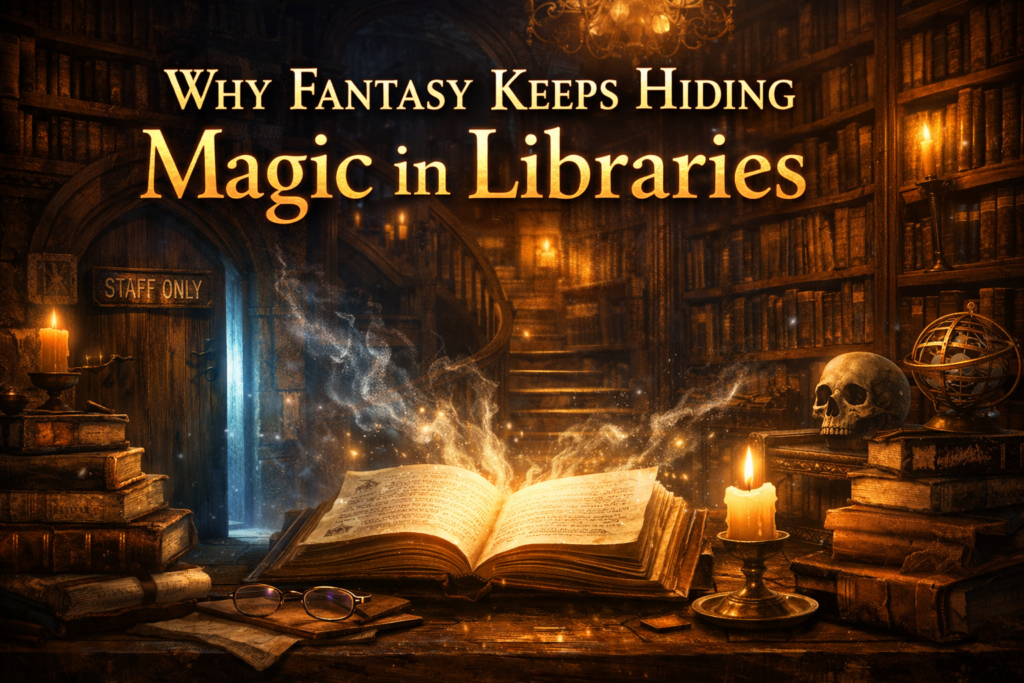
Why Fantasy Keeps Hiding Magic in Libraries

There was a time when fantasy looked outward, toward lost kingdoms and blank spaces on the map. Today, with the world thoroughly mapped and disappointingly short on hidden plateaus full of dinosaurs, fantasy has shifted its secrets elsewhere. Now the lost world waits behind a locked door in the back of a library, or on a shelf in a bookshop that was not there yesterday.

The Fantasy Divide I Didn’t Have Words For—Until Now

For years, I assumed my growing frustration with certain fantasy novels was a personal failing—shorter attention span, impatience, age. It turns out it wasn’t me at all. Fantasy has quietly split into two different kinds of books doing two very different things: story-first fiction and immersion-first fiction. Neither is wrong—but when you don’t know which one you’re reading, disappointment is almost guaranteed. This post is about naming that divide, understanding where it came from, and giving readers permission to stop blaming themselves when a “perfectly good” book just doesn’t work for them.

Shopping Basket
Scroll to Top