

The Scandalous Sirens Omnibus Is Here
The complete Scandalous Sirens trilogy is here in one gorgeous collection—available as an ebook, in print, and as a spectacular premium hardcover edition.
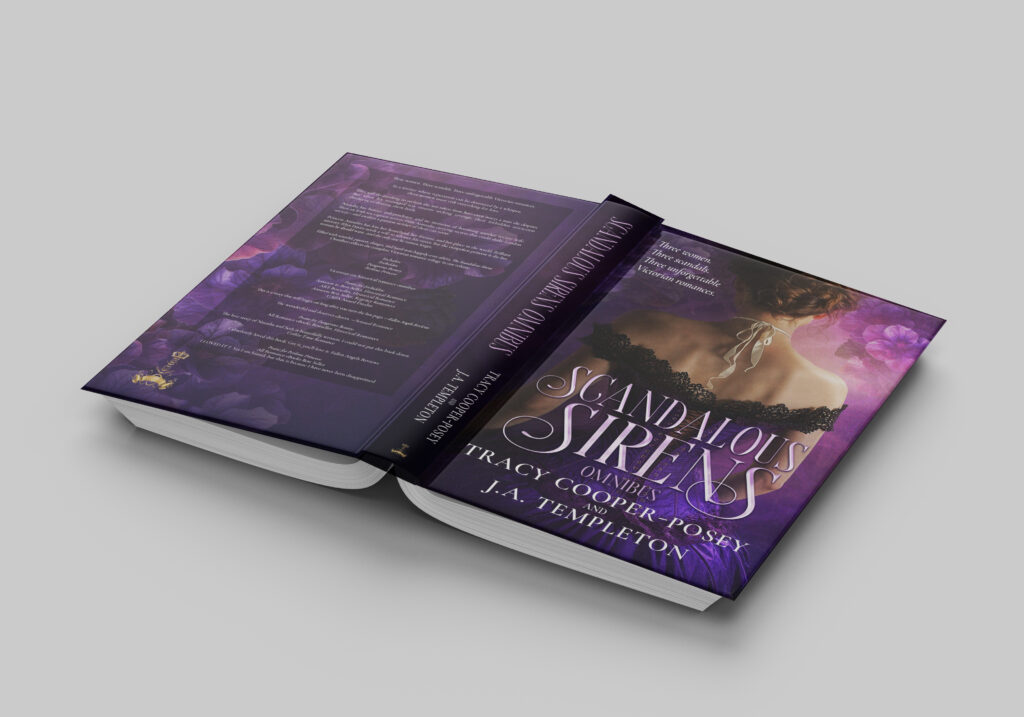
The complete Scandalous Sirens trilogy is here in one gorgeous collection—available as an ebook, in print, and as a spectacular premium hardcover edition.
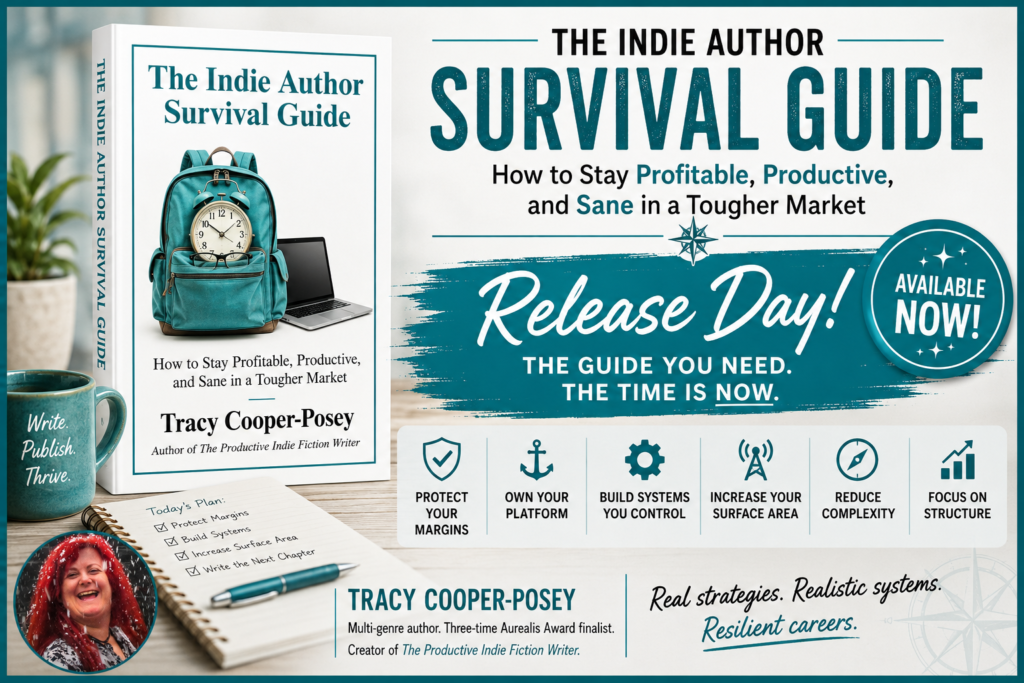
The Indie Author Survival Guide by Tracy Cooper-Posey is out now—a practical guide to building a profitable, productive, resilient writing career in a tougher publishing market.
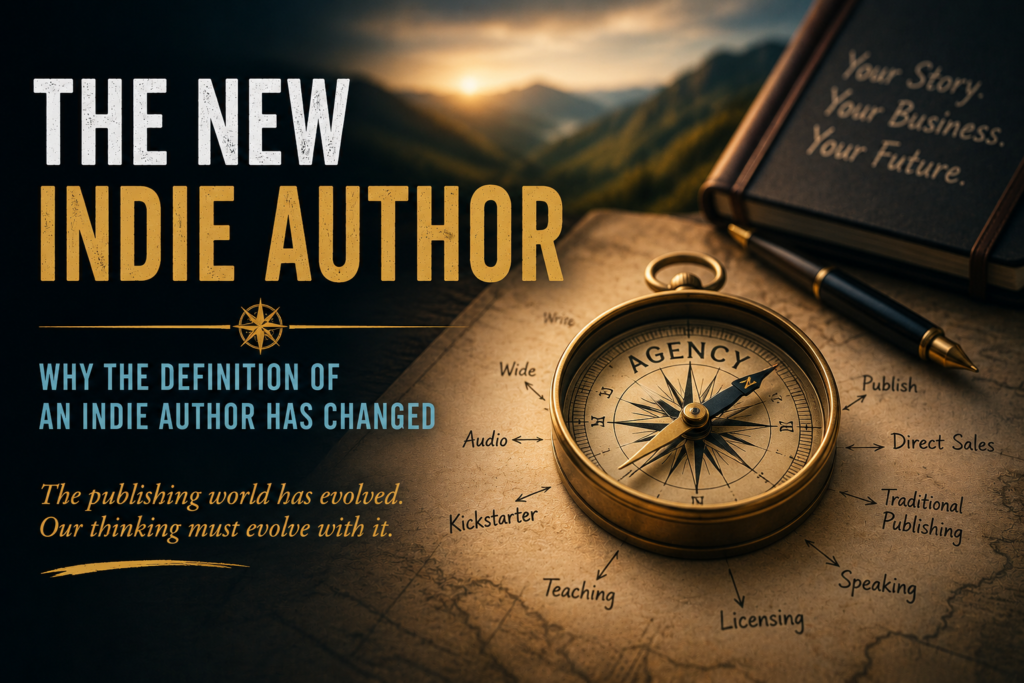
What if the definition of an indie author hasn’t kept pace with the publishing industry? The principles that built the indie revolution still matter—but the world around them has changed dramatically. It’s time to rethink what independence really means in today’s publishing landscape.
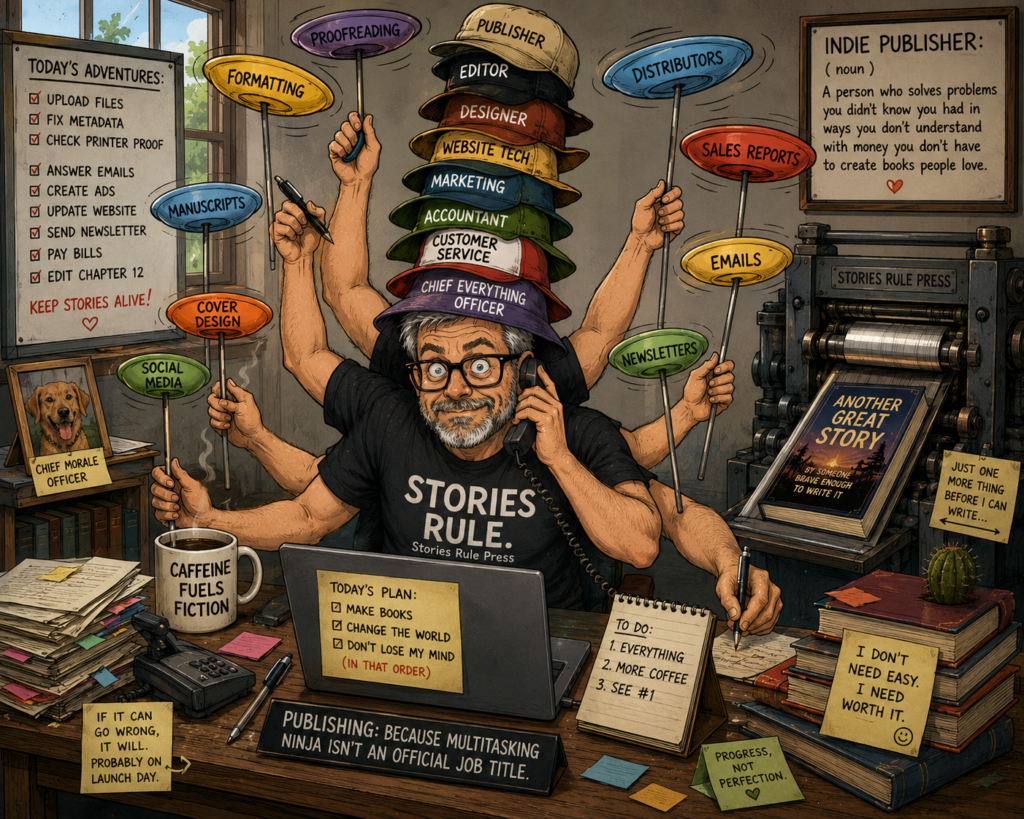
People often imagine independent publishing as a world of elegant offices, literary conversations, and endless coffee. The reality is rather more chaotic. One moment you’re the publisher, the next you’re fixing EPUBs, answering customer emails, wrestling with accounting reports, or hunting down invisible formatting errors. It’s a juggling act—but somehow, it’s still one of the most rewarding jobs there is.
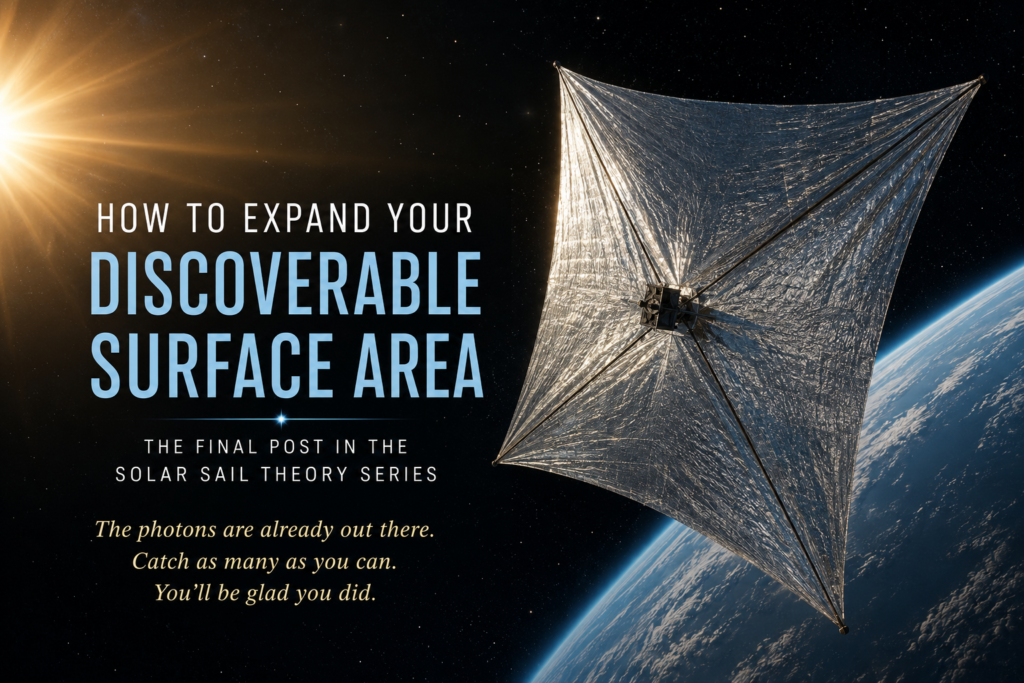
Solar Sail Theory isn’t about finding stronger sources of momentum. It’s about becoming better at capturing thousands of weak sources of momentum that already exist.
One newsletter subscriber won’t change your life. One podcast appearance won’t transform your business. One new reader or conference conversation or bookstore event won’t either.
Individually, they’re almost insignificant.
That’s why the sail is enormous.

After twelve novels and a novella, the journey comes to its conclusion. Camlann, the final novel in Tracy Cooper-Posey’s acclaimed Once and Future Hearts series, is now available from Stories Rule Press and all major retailers.
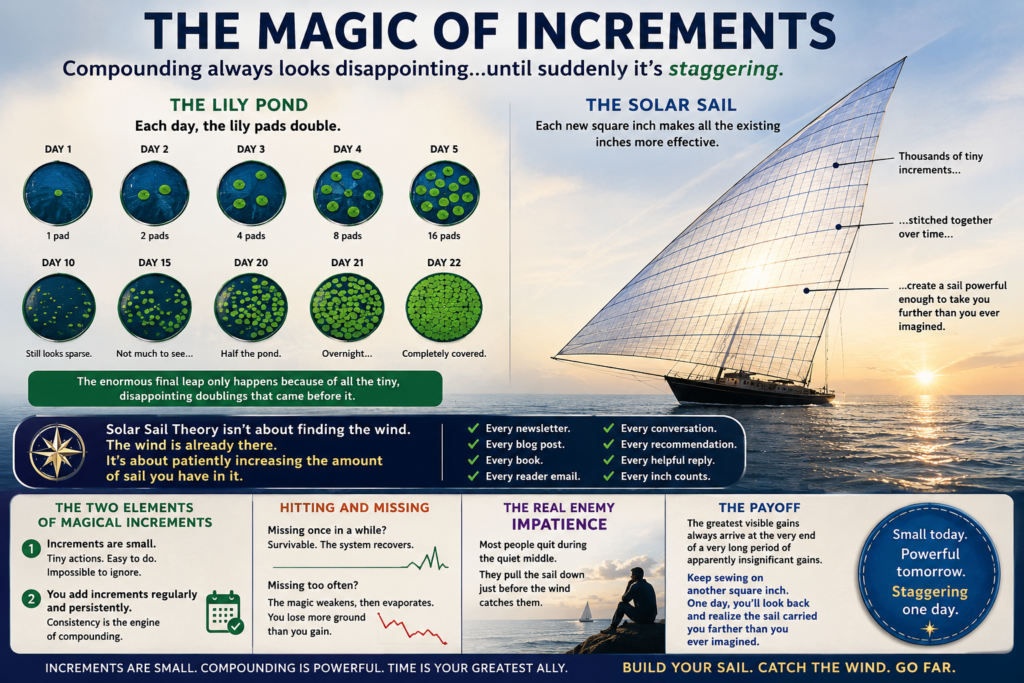
We all know about compounding, but very few of us truly understand it. The real magic isn’t in one newsletter, one blog post, one book, or one workout. It’s in the quiet accumulation of thousands of small increments that, over time, become something far greater than the sum of their parts. Solar Sail Theory isn’t about finding a shortcut—it’s about patiently building enough sail to catch the wind that’s already there.

What makes a book unforgettable? It often isn’t the plot—it’s the people. The characters who quietly step onto the page, feel completely real, and stay with us long after we’ve finished the final chapter.
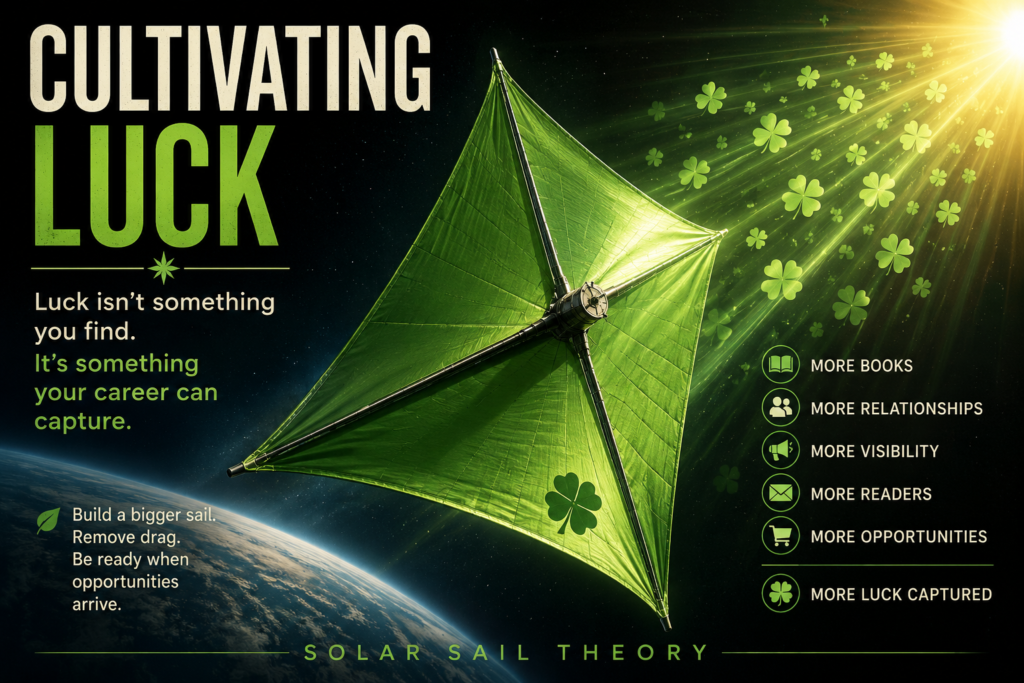
Luck isn’t magic, and it isn’t reserved for a chosen few. In publishing, what looks like luck is often the result of years spent building momentum. Every book, every reader, every relationship and every opportunity adds another tiny push. Solar Sail Theory explains why some authors seem luckier than others—and why you can increase your chances of capturing luck without relying on a mythical “big break.”
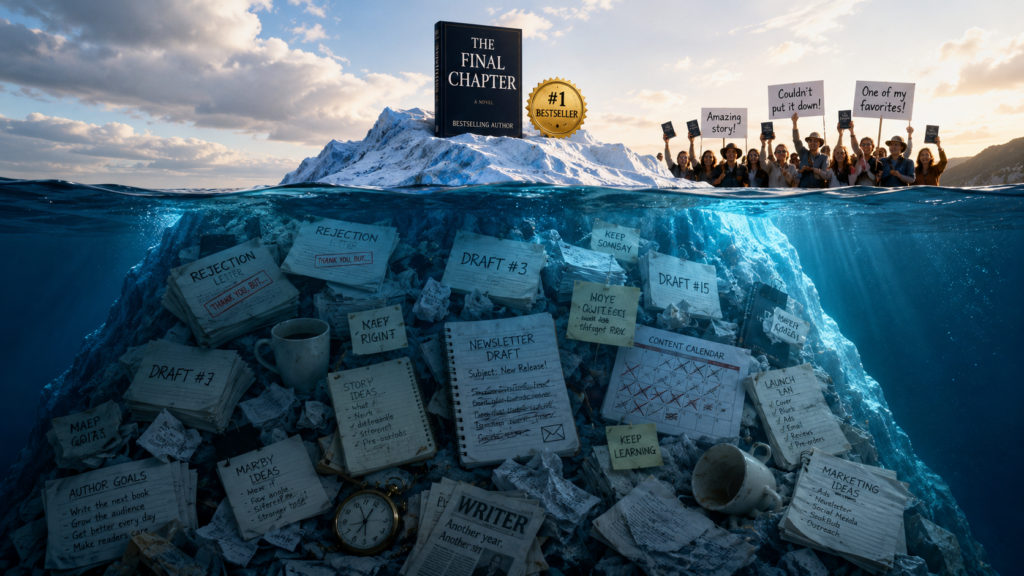
Every publishing season seems to produce another “overnight success.” But behind almost every breakout author are years of writing, learning, failed launches, and steady persistence. Real publishing careers are rarely built in a single moment—they’re built one book, one reader, and one lesson at a time.