Revision

When the Writer Has Already Explained It

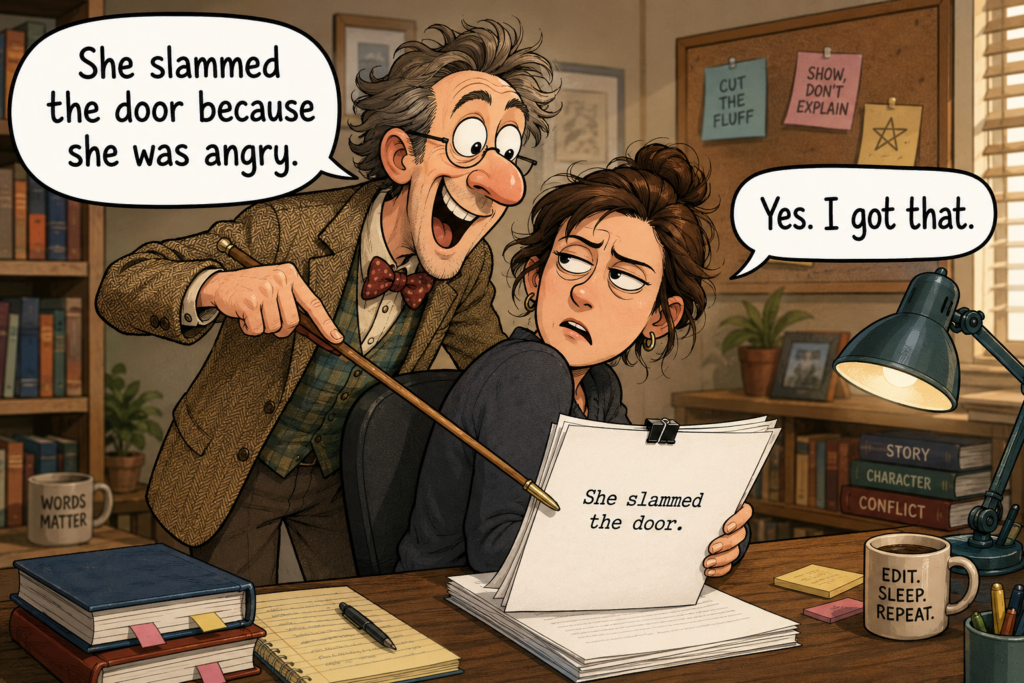
Readers are remarkably good at putting two and two together. Yet many writers, worried that a character’s emotions or motivations might not be obvious enough, add a sentence explaining what the reader has already understood. Those explanations rarely add clarity—they usually weaken the scene. Here’s how to recognize when you’re explaining the obvious, and when an explanation genuinely earns its place.
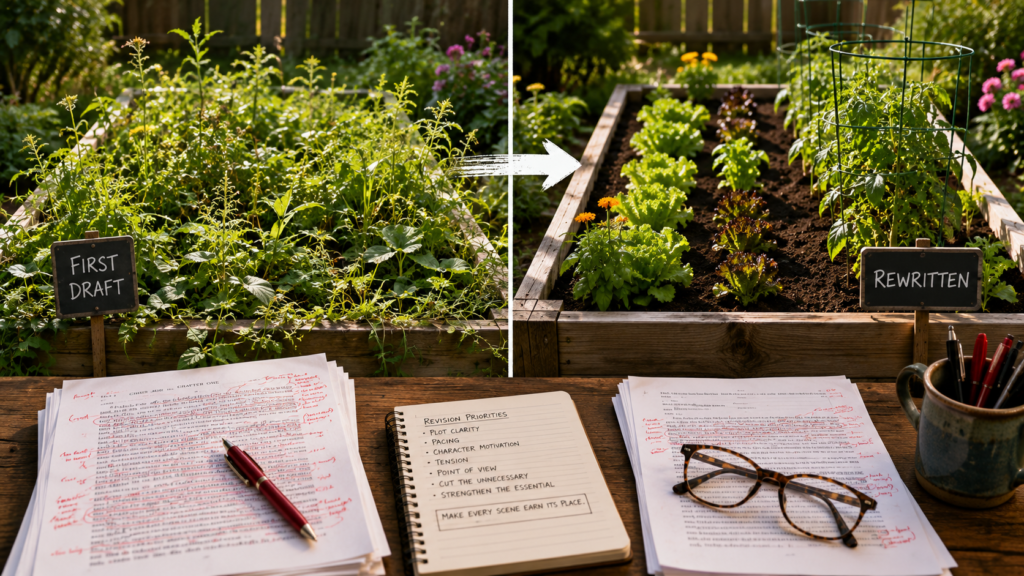
Why Good Writing Is Usually Rewriting

Most writers love writing but dread rewriting. Yet revision isn’t evidence the first draft failed—it’s where good stories become great ones. Like weeding a garden, editing isn’t about destroying what you’ve grown. It’s about giving the best parts room to flourish.

The Draft You Never See

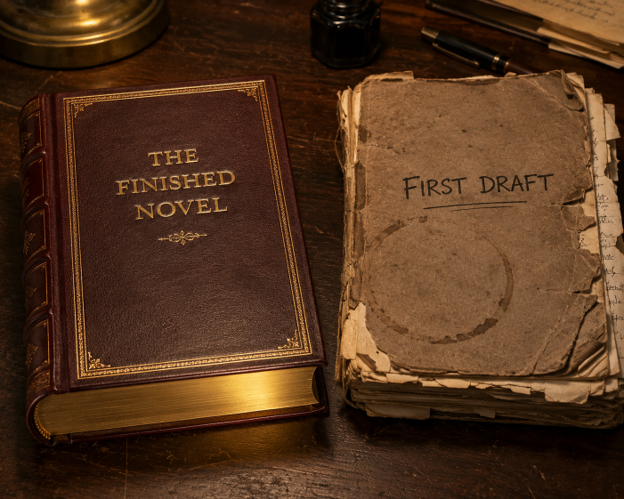
Every published novel has a hidden history. Behind every finished book are deleted scenes, rewritten chapters, abandoned plot lines, and countless small decisions that readers never see. The first draft may discover the story, but revision is where the story reveals what it was trying to become all along.

Why Good Editing Feels Invisible

Good editing doesn’t draw attention to itself. When it works, readers never notice it at all — they simply fall into the story. Editing isn’t about rewriting an author’s voice or showing off clever fixes. It’s about removing the friction that causes readers to hesitate, lose momentum, or quietly stop turning pages.

Five Things Editors Wish Writers Knew

After you’ve been editing fiction for a while, patterns emerge — not in the stories, but in the expectations writers bring to the process. Editing isn’t about fixing broken books or policing commas. It’s about helping a manuscript work the way the author intended: with clarity, emotional logic, and structural strength. Here are five things editors quietly wish every writer understood before the red pen ever comes out.

Mastering the Scene: Why Your Novel Depends on It

A novel isn’t a pile of words—it’s a chain of well-built scenes. This post breaks down the five parts of a powerful scene (from Inciting Incident to Resolution) and why scene craft is the difference between a draft and a publishable book.

Shopping Basket
Scroll to Top