Writing

Trust Your Reader

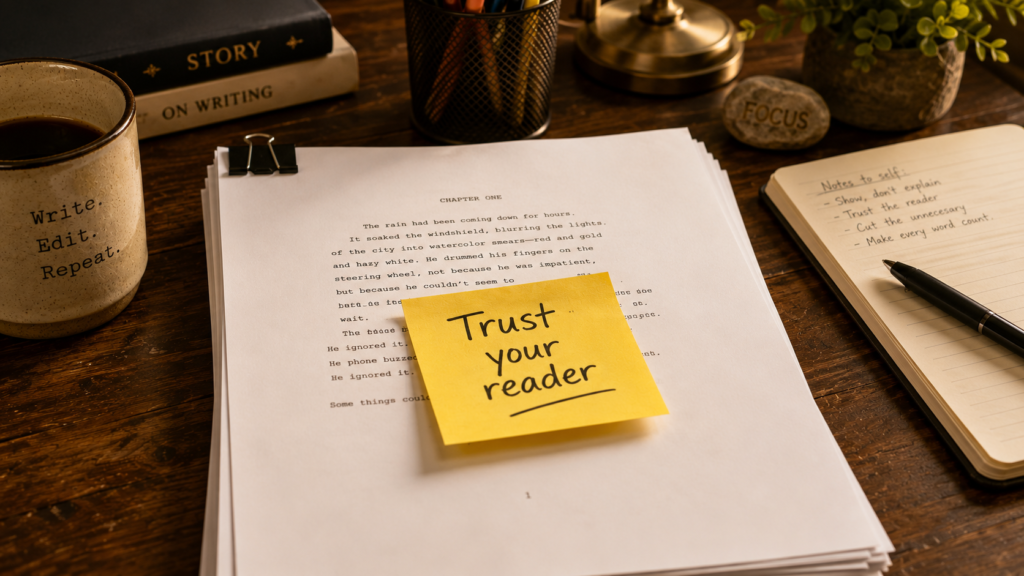
Readers are smarter than many writers give them credit for. When we explain every emotion, clue, or joke, we take away one of reading’s greatest pleasures: discovering the story for themselves. Sometimes the best editing advice is also the simplest—trust your reader.
When the Writer Has Already Explained It

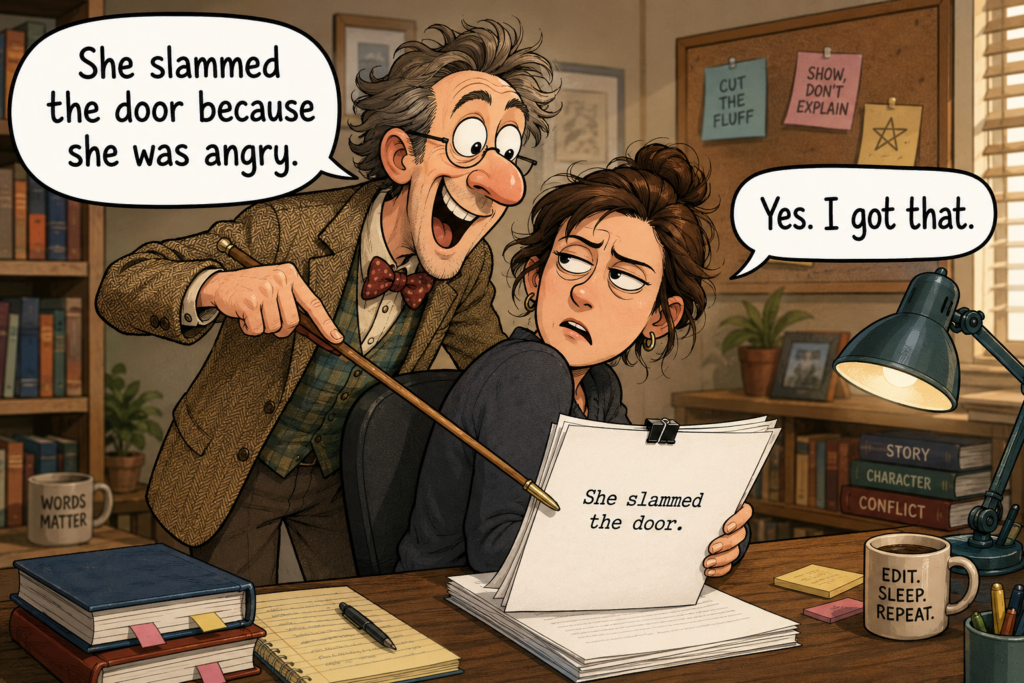
Readers are remarkably good at putting two and two together. Yet many writers, worried that a character’s emotions or motivations might not be obvious enough, add a sentence explaining what the reader has already understood. Those explanations rarely add clarity—they usually weaken the scene. Here’s how to recognize when you’re explaining the obvious, and when an explanation genuinely earns its place.

The Recliner Is Not My Friend

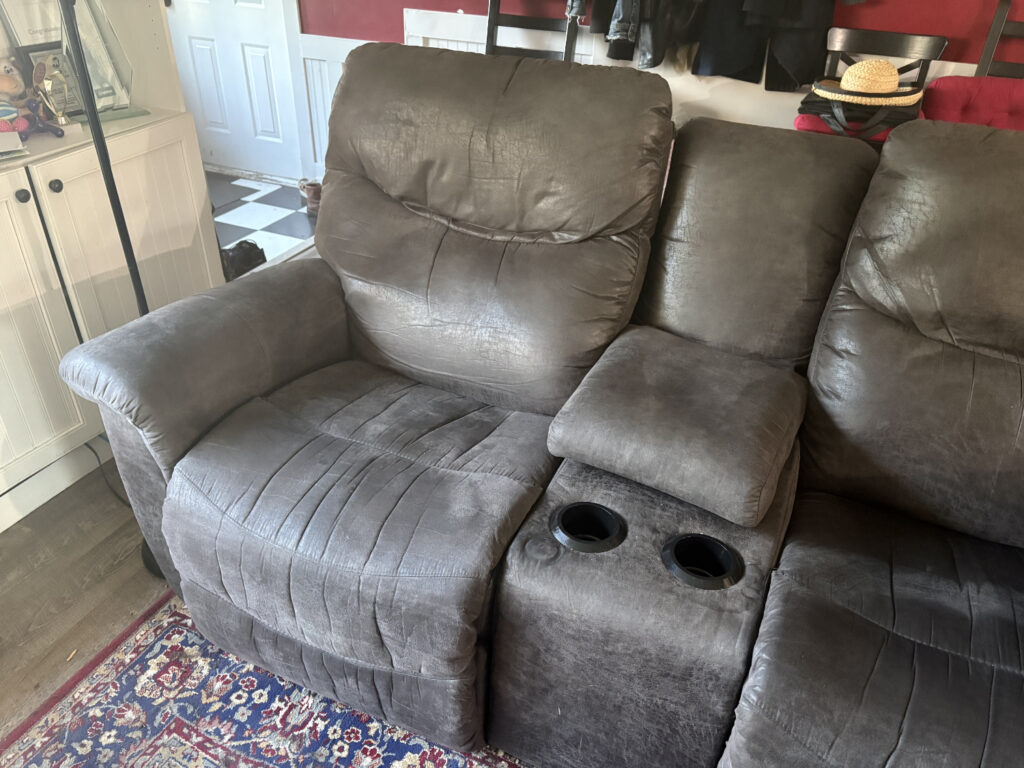
Some writing obstacles aren’t plot problems or lack of inspiration—they’re upholstered. After unexpectedly finishing an entire chapter of Fall From Grace in a single day, I discovered the biggest difference wasn’t my writing. It was where I sat. The recliner I’d always considered a harmless pre-writing stop had quietly become the world’s most comfortable procrastination machine.

We’re Already Building Our Exoselves

Kevin Kelly’s latest essay introduced me to a concept I hadn’t quite considered before: the “exoself.” Not a humanoid robot, but an AI that becomes an extension of our own minds through memory, context, and continuity. The more I thought about it, the more I realized we may already be taking the first steps toward that future—one useful conversation at a time.

The People Who Quietly Stay With Us

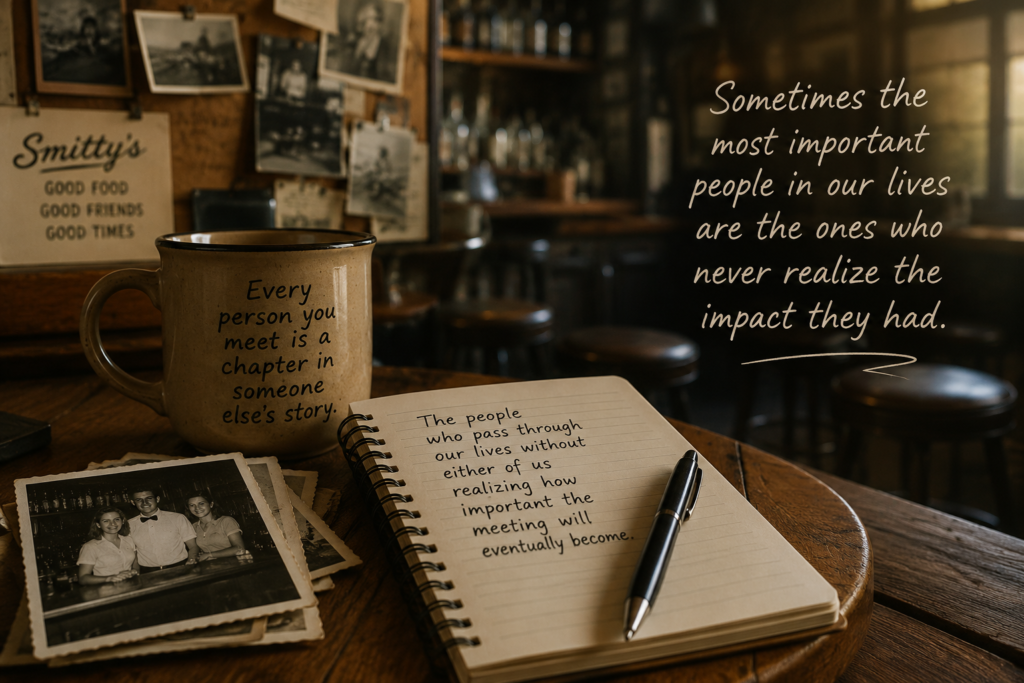
Years after finishing a novel, it’s rarely the plot we remember best. It’s the people. The quiet characters who felt real, who made us laugh, who gave the story its heart. Those are the ones who stay with us—and perhaps that’s true of the people we meet in life, too.

Canada Day and Canadian Science Fiction

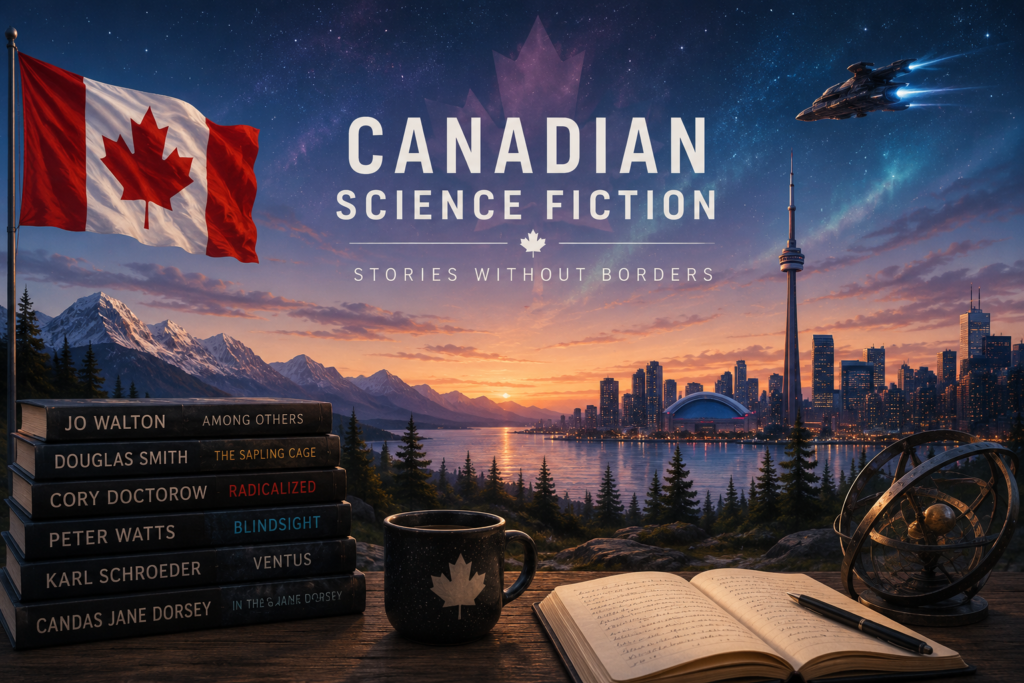
Canada Day always reminds me how many of my favourite science fiction writers turn out to be Canadian. From celebrated authors to passionate fandom and the Aurora Awards, Canada has quietly made an outsized contribution to speculative fiction—and it’s a legacy I’m proud to be part of.

Why Good Writing Is Usually Rewriting

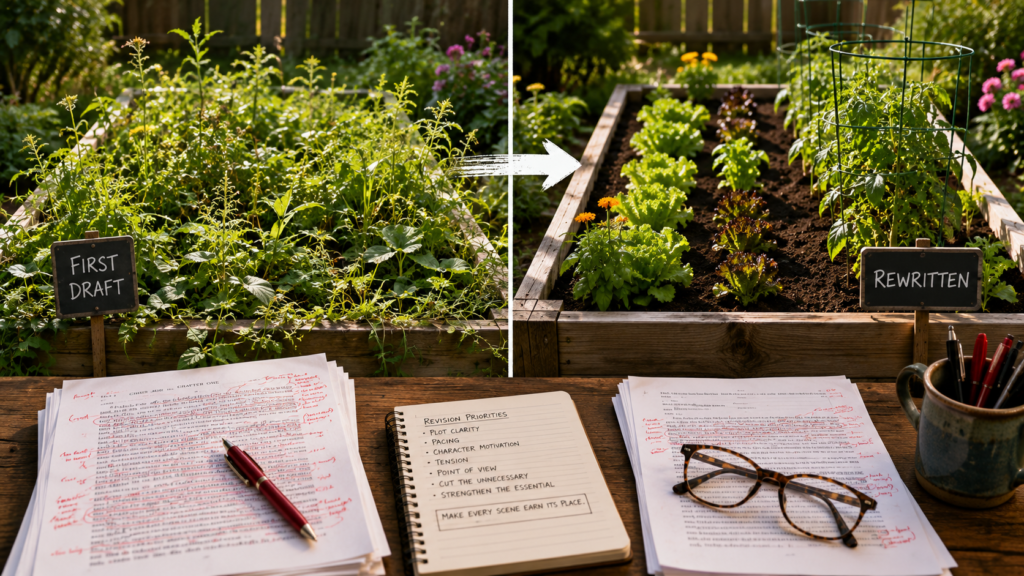
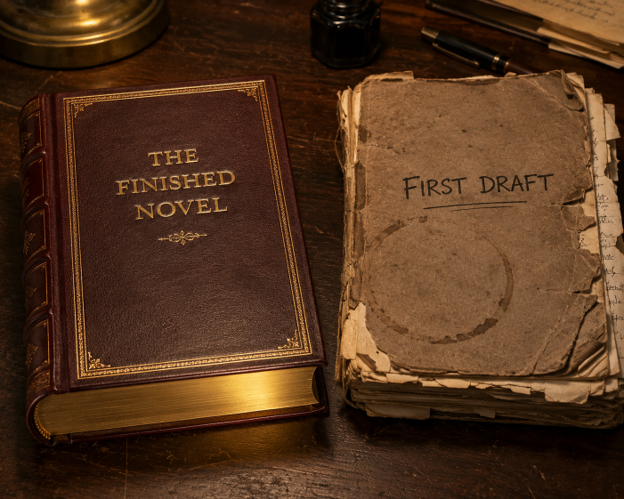
Most writers love writing but dread rewriting. Yet revision isn’t evidence the first draft failed—it’s where good stories become great ones. Like weeding a garden, editing isn’t about destroying what you’ve grown. It’s about giving the best parts room to flourish.

When Reality Outdoes Fantasy

Some of the most fantastical settings aren’t found in fantasy novels—they’re right here on Earth. A single photograph of Seljalandsfoss in Iceland is a reminder that nature often creates landscapes so extraordinary we’d hesitate to put them in fiction for fear readers wouldn’t believe them. It’s a lesson that Peter Jackson understood when bringing Middle-earth to life on film.

The Story Beneath the Story

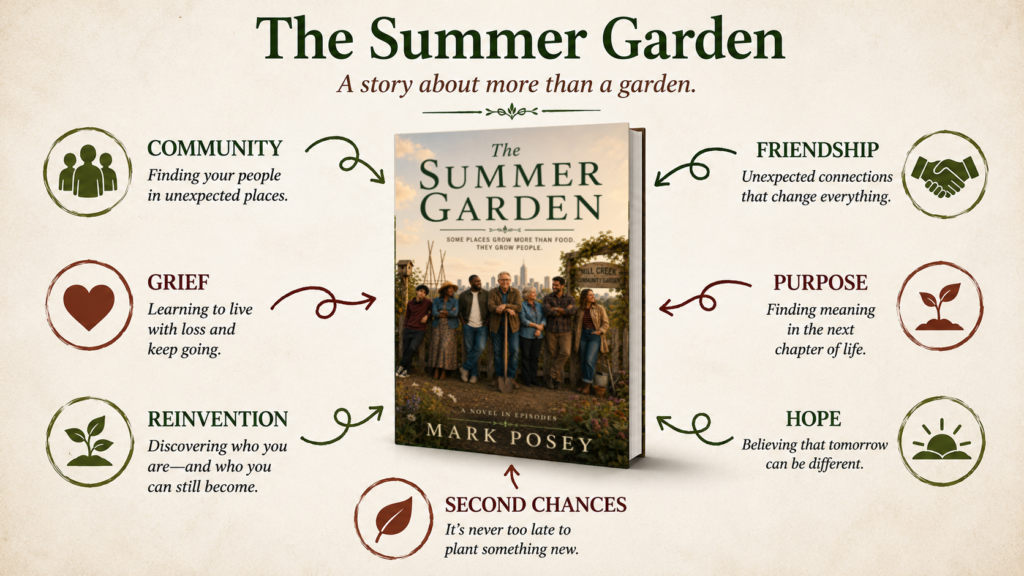
Every story has a plot. A detective solves a murder. A spaceship crew saves a colony. A retired man plants tomatoes. But the stories readers remember long after the last page are rarely about those events alone. Beneath the plot lies a deeper story—the emotional truth, the question being explored, the reason the story resonates. As an editor, one of the most important questions I can ask is: What is this story really about?

The Draft You Never See

Every published novel has a hidden history. Behind every finished book are deleted scenes, rewritten chapters, abandoned plot lines, and countless small decisions that readers never see. The first draft may discover the story, but revision is where the story reveals what it was trying to become all along.

Shopping Basket
Scroll to Top