Writing

Reading Requires Trust

Reading isn’t just “content consumption.” It’s time. Emotional investment. Trust. You’re handing several hours of your life over to another person and hoping they take you somewhere worthwhile. That’s why stories that feel genuinely human matter more now than ever.
Are Modern Storytellers Afraid of Happy Endings?

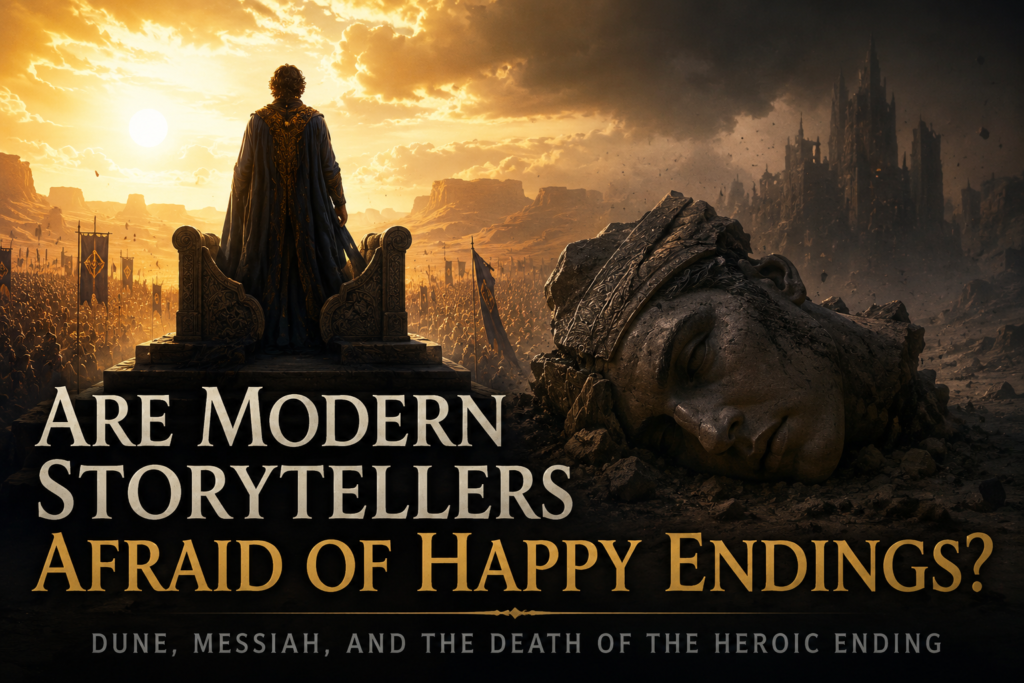
The new Dune 3 trailer should have filled me with anticipation. Instead, it left me uneasy. Not because Denis Villeneuve lacks skill as a filmmaker—far from it—but because the films seem determined to undercut Paul Atreides’ triumph before it ever truly lands. Which raises a larger question: Have modern storytellers become afraid of heroic endings? From Dune to grimdark fantasy to prestige science fiction, modern stories increasingly distrust hope, sincerity, and unapologetic victory. But is that really what audiences want—or simply what the industry keeps giving them?

Can’t Reach Flow State? This Might Be Why

Struggling to reach flow when you write? It might not be a discipline problem. Flow isn’t just about focus—it’s about whether your brain trusts that everything else is handled. If your mind is still tracking loose ends, unfinished tasks, or “don’t forget this” thoughts, it won’t let go. And without that mental quiet, true immersion in your story stays just out of reach.

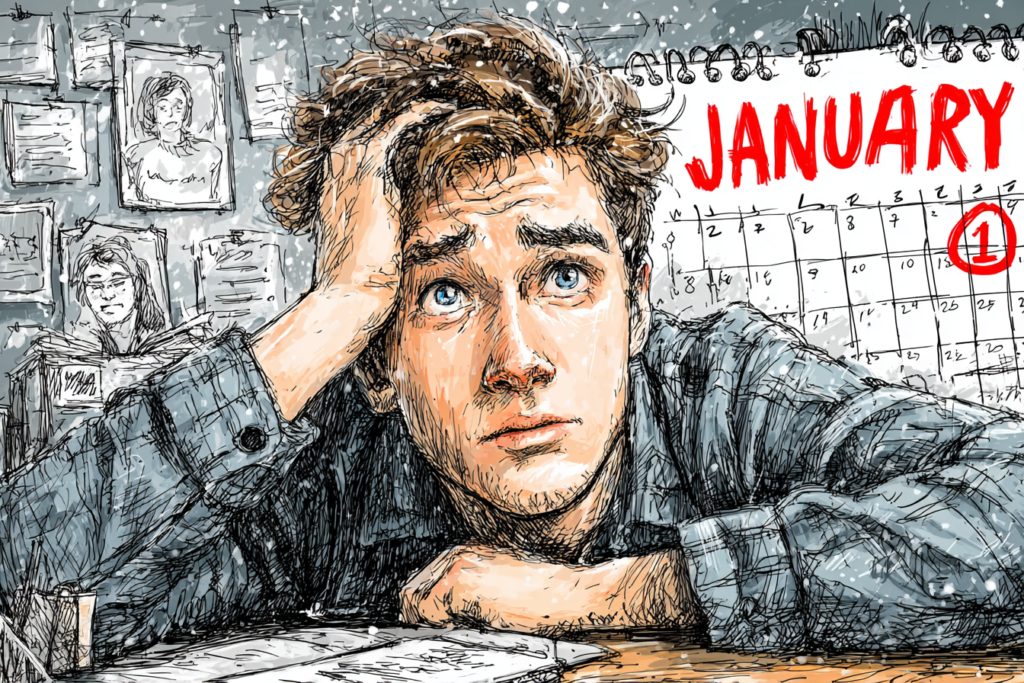
The Annual Ritual of the Writing Resolution

Writing resolutions fail for remarkably predictable reasons.
Not because writers are lazy or unserious—but because they aim too high, too vaguely, and too emotionally.

The writers who finish books aren’t the ones who promise themselves a perfect year.
They’re the ones who build systems that survive imperfect weeks.

Your Personal Weasel Word List (and Why You Should Actually Use It)

Before you dump your draft on an editor—or on your future self—you should be doing a ruthless cleanup pass. That starts with your own personal Weasel Word List: those sneaky, repetitive words and phrases that dull your prose and clutter your scenes. You’ve got ‘em. Everyone does. The trick is to catch them before your editor does. Bonus: clean manuscripts make ebook compilers very, very happy (and don’t randomly explode on Kindle).

From the Mailbag:  How do you organize yourself?

Juggling multiple pen names, a production pipeline, and the occasional bout of procrastination takes more than just caffeine and stubbornness—though those help. In this post, I break down exactly how I manage my writing and publishing schedule, from rotating pen names to keeping six+ books in postproduction at once. I also explain why I never write more than one book at a time and how I use a 300-step checklist to keep my head (mostly) attached.

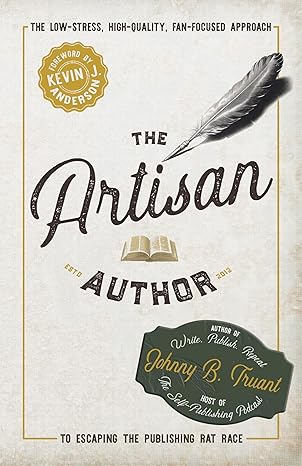
Review of The Artisan Author by Johnny B. Truant

“At its heart, this book offers a liberating proposal: don’t play the game as it’s currently defined. Walk away from algorithm worship, punishing release schedules, and the grind of selling at 99 cents to churn-hungry subscription readers. Instead, write what you want to write, at the pace that suits you, and charge a fair price for your work.”

Why Do You Write?

Ah yes, that question. “Why do you write?”

It’s one of those that gets asked a lot—especially in writing forums, interviews, and on the back covers of literary memoirs, usually printed in italics for some reason. It can feel a bit… woo-woo. As if the answer should be sacred and profound. (“Because the Muse demands it, obviously.”)

But the truth? Your “why” is probably a lot more practical, changeable, and occasionally downright grubby than the question makes it sound.

Shopping Basket
Scroll to Top