writing craft

The #1 Problem I See in Manuscripts Right Now

The most common problem I see in manuscripts right now isn’t bad prose or weak dialogue. It’s stories where the protagonist could simply walk away—and nothing meaningful would happen. If your character can shrug and go home, they probably should. So why don’t they?

Why Stand By Me Still Works (When So Many Stories Don’t)

Why does Stand By Me still hit forty years later when so many stories vanish almost as soon as the credits roll? Because it isn’t built on spectacle or plot twists. It’s built on emotional truth. Four boys, one long walk, and a story that trusts us to care about the people more than the destination. That’s a rare thing. And maybe that’s why it still works.

The Difference Between Revising and Editing

Many new writers use the words revision and editing as if they mean the same thing. They don’t. Revision is where you reshape the story itself—rewriting scenes, adjusting structure, and strengthening the core narrative. Editing comes later, once the story works, and focuses on polishing the language so the manuscript reads clearly and smoothly.

Sorry About the Lost Sleep

Ever sit down with a book thinking you’ll read just one chapter before bed… and suddenly it’s 2:03 a.m.? Mark Posey confesses why those “just one more chapter” moments are sometimes a little bit deliberate—and why writers secretly love hearing about them.

Before You Send Your Manuscript to an Editor

Typing “The End” feels like the finish line—but it’s actually the start of the next phase. Before you send your manuscript to an editor, there’s important work to do first. Let the story rest, read it again with fresh eyes, fix the obvious issues, and understand what type of editing your book really needs. The more polished your manuscript is before it reaches an editor, the more valuable—and effective—the editing process will be.

Why Most Manuscripts Fail in Chapter One

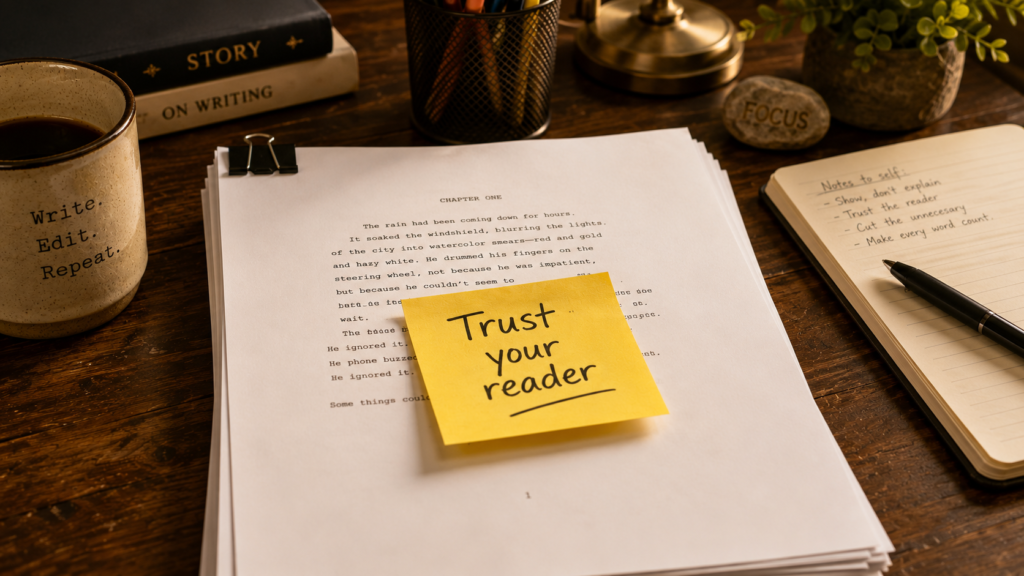
Most manuscripts don’t fail because the author lacks talent—they fail because Chapter One doesn’t do its job. Chapter One isn’t a warm-up, a weather report, or a backstory dump. It’s a promise to the reader about what kind of story they’re about to experience. If nothing is off-balance, nothing is at risk, and nothing is changing, the reader is left asking the most dangerous question in fiction: Why am I here?

Why Good Editing Feels Invisible

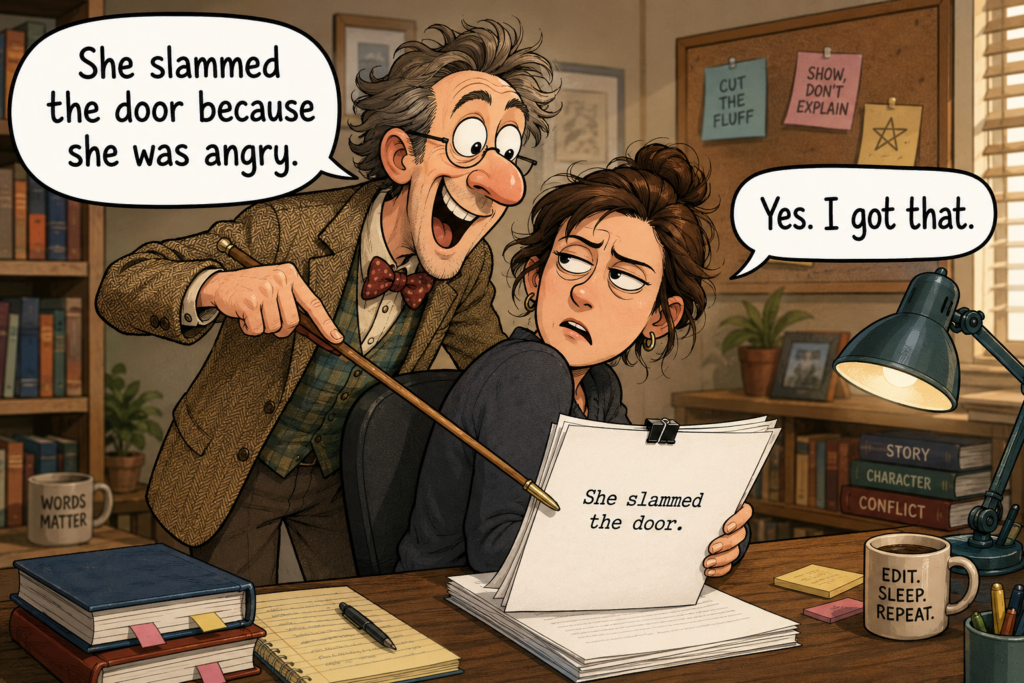
Good editing doesn’t draw attention to itself. When it works, readers never notice it at all — they simply fall into the story. Editing isn’t about rewriting an author’s voice or showing off clever fixes. It’s about removing the friction that causes readers to hesitate, lose momentum, or quietly stop turning pages.

You’re Not Bad at Writing. Publishing Is Hostile to Story.

Storytelling hasn’t failed readers — publishing culture has simply become suspicious of it. If you’re being told to slow down, soften conflict, or “let the story breathe,” the problem may not be your writing at all. It may be that you’re telling stories in a moment that prefers experience over consequence.

Shopping Basket
Scroll to Top