November 2025

Celtic Women in Command? DNA Says They Called the Shots

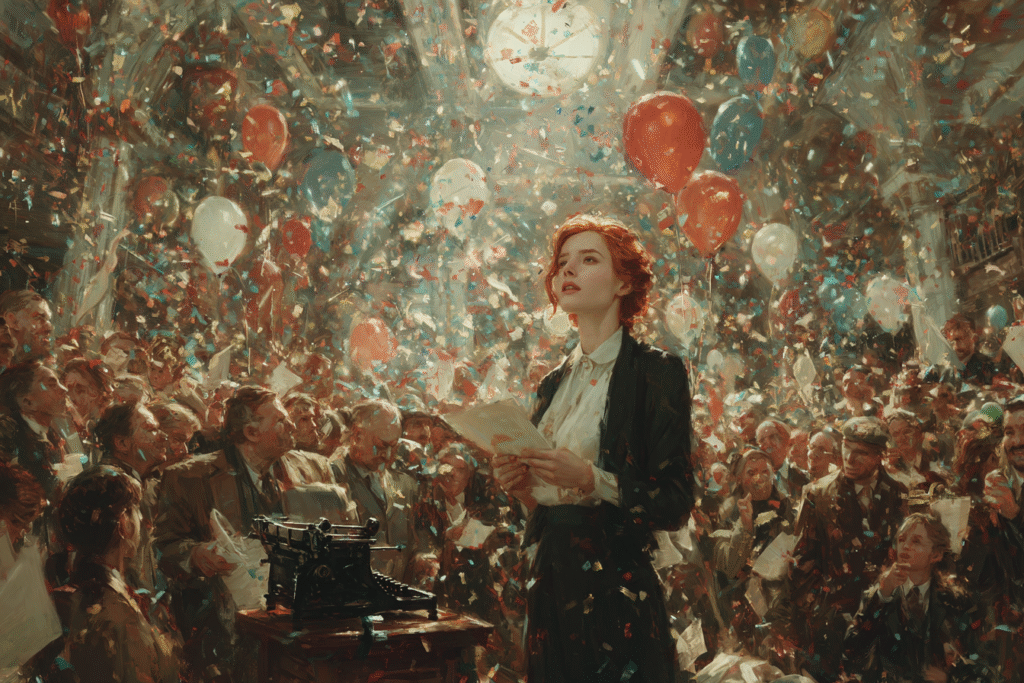
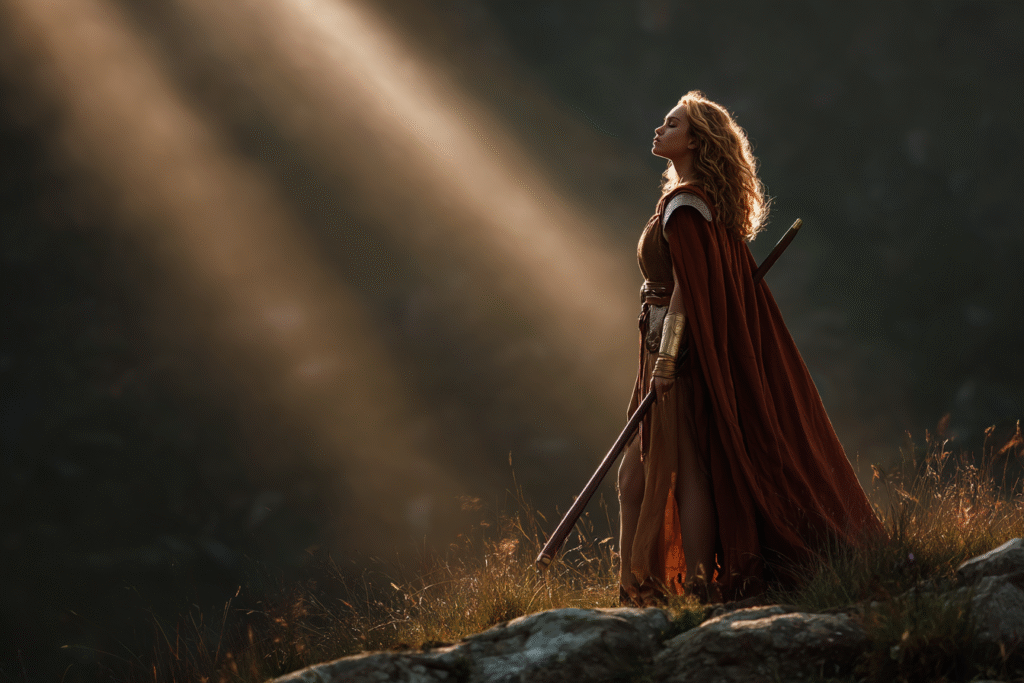
Recent DNA studies out of Iron Age Britain show that some Celtic tribes may have been far more woman-centered than we thought. With women staying put and men marrying into their communities, this evidence of matrilocality opens new doors for romance fiction, historical reimaginings—and your favorite Celtic heroines.


Your Personal Weasel Word List (and Why You Should Actually Use It)

Before you dump your draft on an editor—or on your future self—you should be doing a ruthless cleanup pass. That starts with your own personal Weasel Word List: those sneaky, repetitive words and phrases that dull your prose and clutter your scenes. You’ve got ‘em. Everyone does. The trick is to catch them before your editor does. Bonus: clean manuscripts make ebook compilers very, very happy (and don’t randomly explode on Kindle).

“What’s It About?” — The Question That Makes Everything Easier

Writers love to add more scenes, more twists, more explosions… but half the time the real problem is simpler: we don’t actually know what the story is about.
Once you can answer three deceptively basic questions — What’s it about? What will the protagonist learn? How will they change? — the whole book snaps into focus. Plot becomes purposeful. Scenes stop wandering. And suddenly you’re not writing 300 pages of Stuff That Happens™ — you’re writing a story with meaning.

The Quietest Moments Are the Scariest

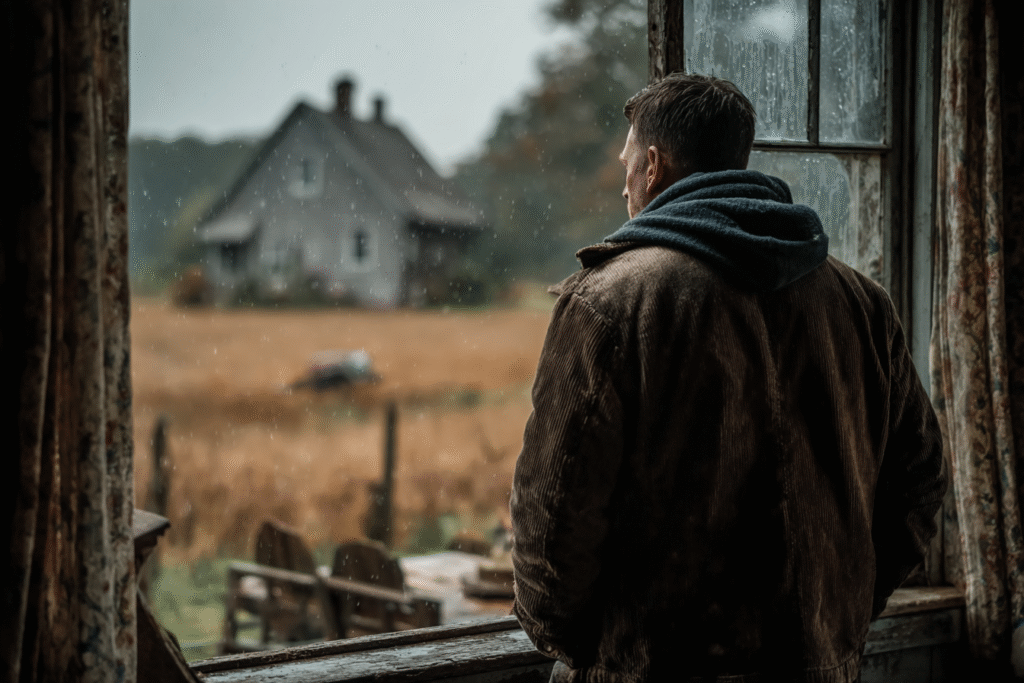
Big explosions are fun, but they’re not what makes a thriller truly terrifying. The real fear hides in the silence—the still moments when nothing’s happening, yet you know something’s about to. From No Country for Old Men to Saving Grace, Mark Posey explores why quiet scenes hit harder than gunfire—and why the pause before the door opens is the scariest sound of all.

The Box Is the Point

We think hitting our goals will make us happy—but for creative work, the real joy is in the struggle. Pressure and constraints aren’t obstacles; they’re the fuel. This post explores why the box is the point, and what to do when it starts to feel too tight.

The Power of Knowing Your Character’s Arc (Before You Start Writing)

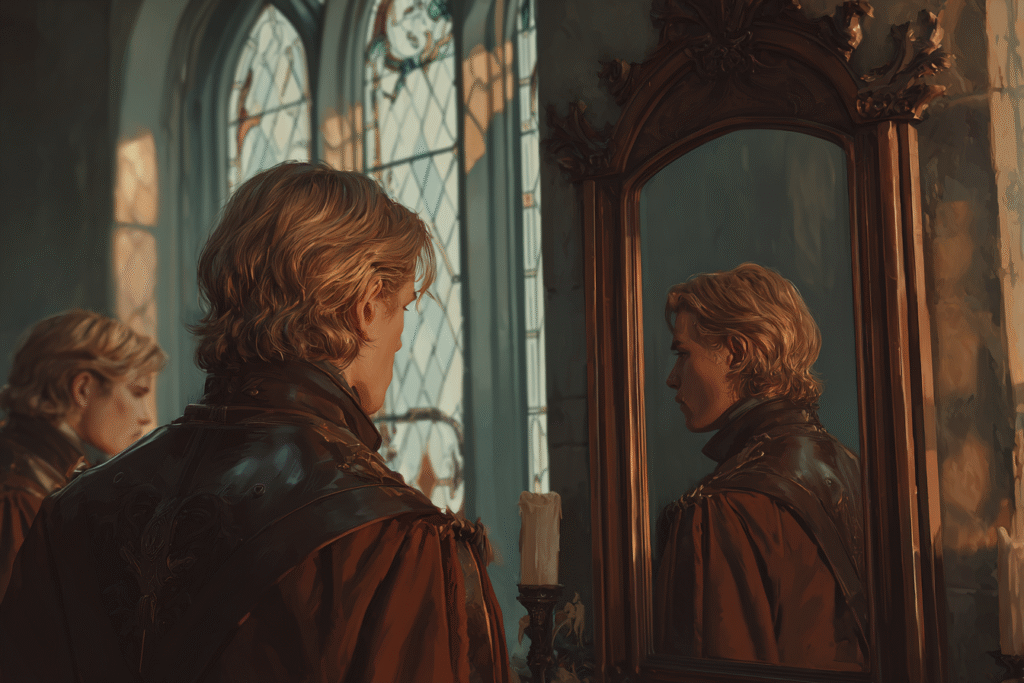
Writing a story without understanding your main character’s arc is like driving cross-country blindfolded — you might arrive somewhere, but odds are it won’t be where you meant to go. Every protagonist travels an emotional and psychological path, changing (or refusing to change) because of the story’s events. When you understand that inner journey — and how it collides with the outer, plot-driven one — every scene gains purpose, every choice deepens meaning, and your rewrite count drops dramatically. Know your hero’s lie, the truth they need to learn, and what the story will throw at them to force that transformation. Everything else flows from there.

How to Disappear in Plain Sight (Without a Q Branch Budget)

Disappearing isn’t about vanishing—it’s about confidence. From Angelina Jolie’s cool-headed makeover in Salt to Natasha Romanoff’s mall-date sleight of hand, the best spies don’t run; they blend. In fiction, that kind of composure is thrilling to watch—and in Fall From Grace, Thomas Billings is about to need every trick in the book.

Shopping Basket
Scroll to Top