

The Characters We Never Really Leave Behind
What makes a book unforgettable? It often isn’t the plot—it’s the people. The characters who quietly step onto the page, feel completely real, and stay with us long after we’ve finished the final chapter.
What makes a book unforgettable? It often isn’t the plot—it’s the people. The characters who quietly step onto the page, feel completely real, and stay with us long after we’ve finished the final chapter.
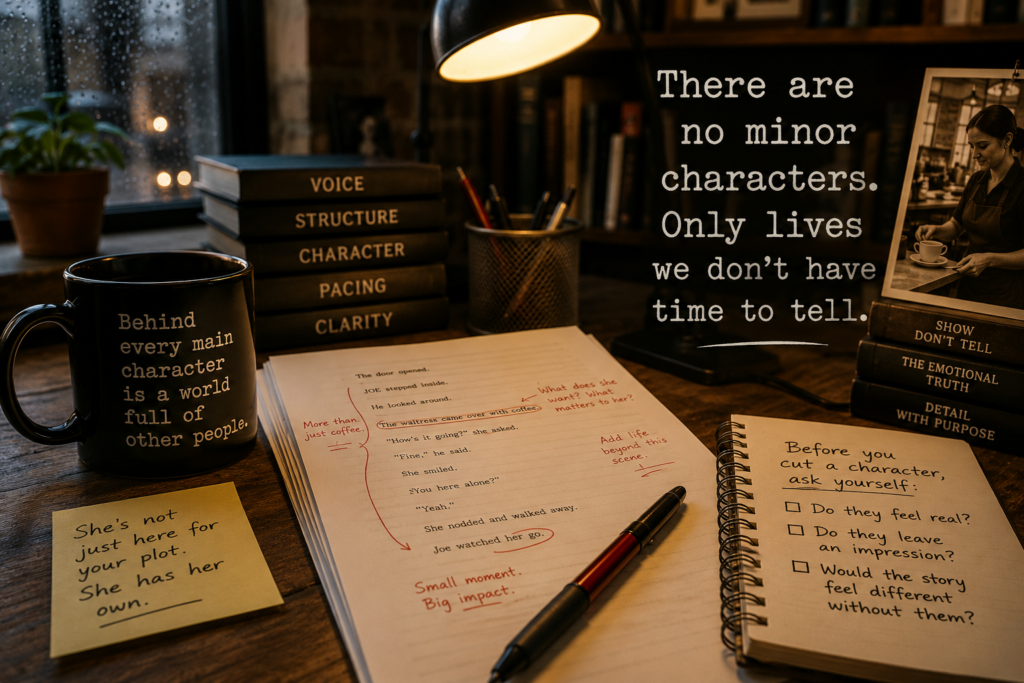
Some of the most memorable people in our lives were never the main characters. The same is true in fiction. If your supporting characters exist only to deliver information or move the plot along, your story misses an opportunity to create a richer, more believable world. Every character should feel like they have a life beyond the page.
Years after finishing a novel, it’s rarely the plot we remember best. It’s the people. The quiet characters who felt real, who made us laugh, who gave the story its heart. Those are the ones who stay with us—and perhaps that’s true of the people we meet in life, too.
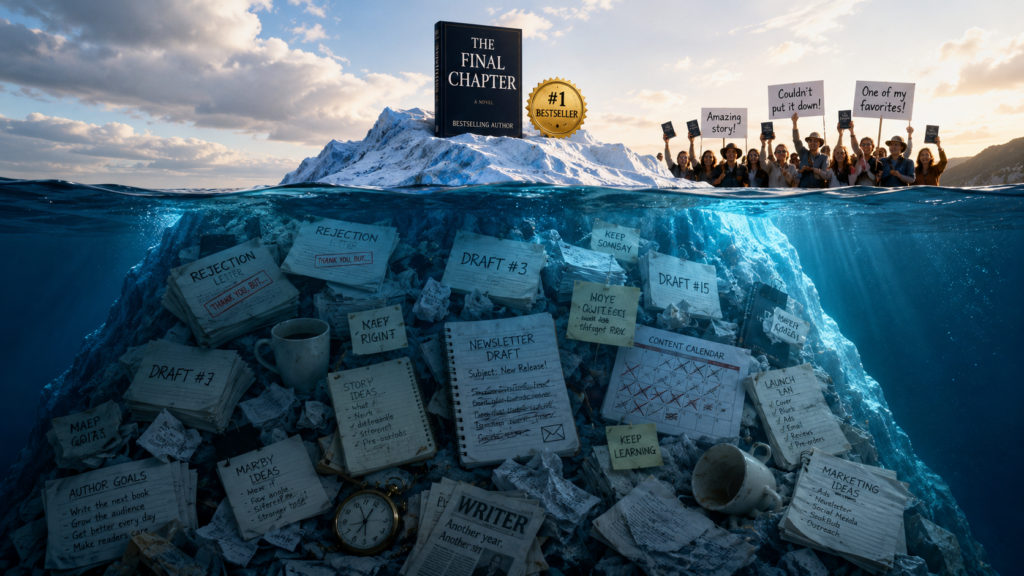
Every publishing season seems to produce another “overnight success.” But behind almost every breakout author are years of writing, learning, failed launches, and steady persistence. Real publishing careers are rarely built in a single moment—they’re built one book, one reader, and one lesson at a time.

Most writers love writing but dread rewriting. Yet revision isn’t evidence the first draft failed—it’s where good stories become great ones. Like weeding a garden, editing isn’t about destroying what you’ve grown. It’s about giving the best parts room to flourish.
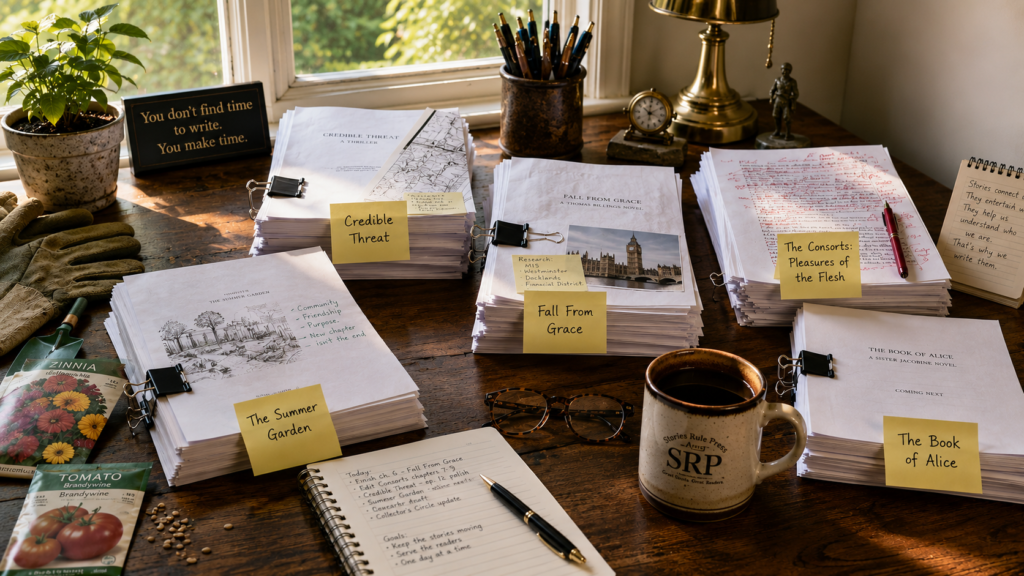
Writers rarely work on just one book at a time. While readers see the finished novel, there’s often an entire queue of stories in progress behind it—drafts, edits, serials, and ideas waiting for their turn. Here’s a look at what’s currently occupying my writing desk this summer, from new thriller adventures to ongoing serial fiction and the next novel waiting in the wings.
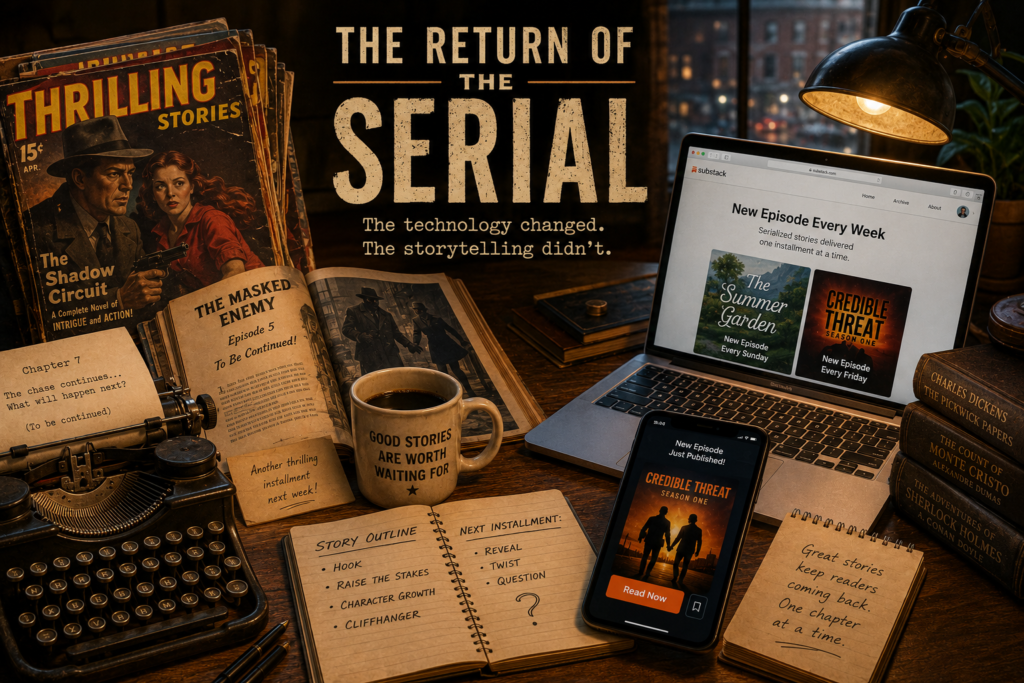
Serial fiction may look old-fashioned, but today’s audiences consume serialized stories everywhere—from television and podcasts to newsletters and streaming platforms. As publishing tools evolve, serialization offers new ways for readers to discover stories, engage with characters over time, and become part of an ongoing reading experience.
Most writers think of serial fiction as a publishing format. Mark Posey argues it is something even more valuable: a practical lesson in storytelling craft. Because every installment must earn a reader’s return, serial fiction exposes weaknesses in pacing, structure, and chapter endings that can hide inside a completed novel. The skills it teaches—curiosity, momentum, and reader engagement—strengthen every form of storytelling.
What if waiting for the next chapter isn’t a flaw in storytelling, but one of its greatest pleasures?
In a world built around instant gratification, serial fiction offers something different: anticipation. Readers spend time with characters, speculate about what comes next, and let stories become part of the rhythm of their week. As The Summer Garden continues and Credible Threat: Season One joins it, Mark Posey reflects on why the joy of not turning to the last page may be more valuable than ever.
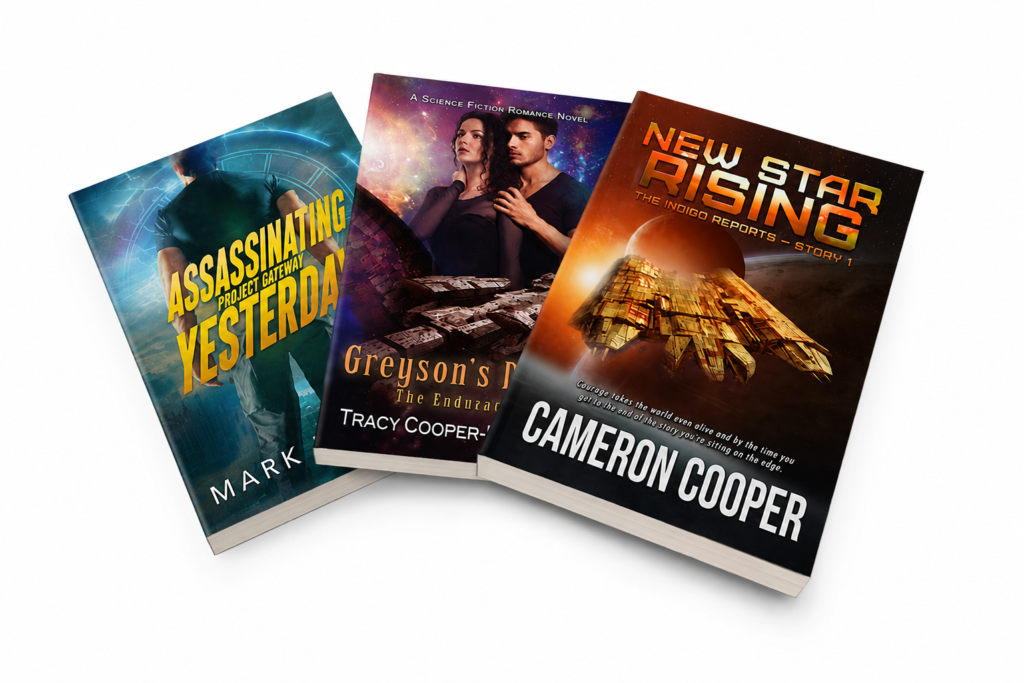
Every reader matters, no matter where they buy our books. But direct sales give independent publishers something special: the ability to invest more in new stories, create exclusive editions, and build stronger relationships with readers. Here’s why buying direct makes such a difference.