Tracy Cooper-Posey

August 24, 410: The Day the World Changed (And Most People Missed It)

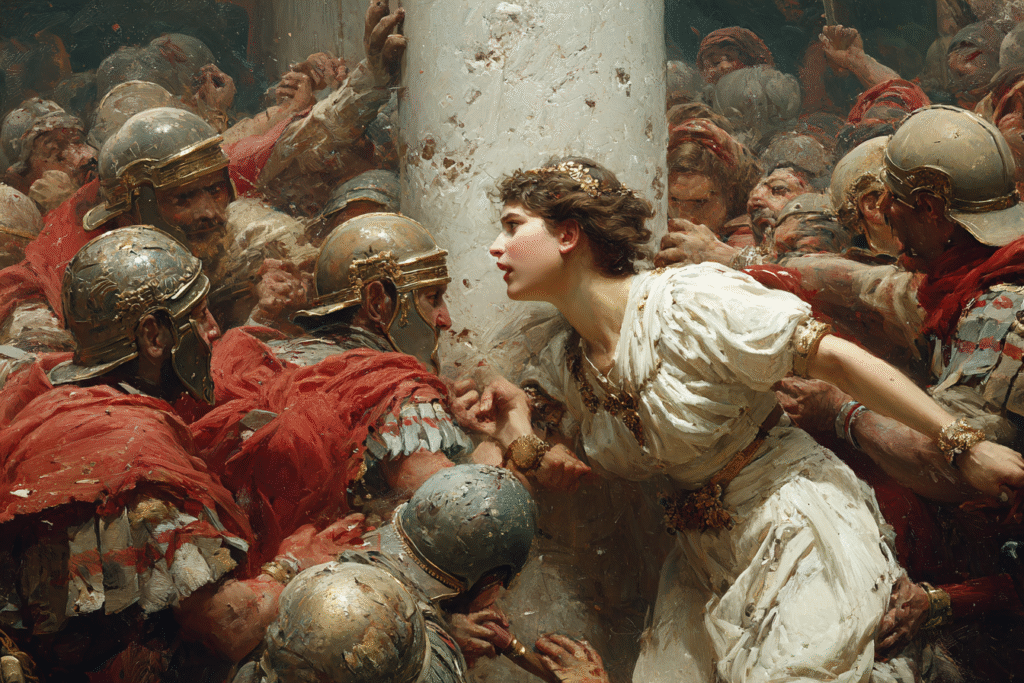
On this day in 410 AD, Rome was sacked—and the world changed. But perhaps the real marvel isn’t that Rome fell. It’s that it lasted more than a thousand years. From primitive huts to aqueducts, concrete, dentistry, and legal systems we still use today, Rome wasn’t just a city—it was civilization. This post explores what a millennium really means… and what we lost when Western Rome fell.

What Happens When You Stop Telling Yourself You’re a Slow Writer

I thought I was stuck at 1,200 to 1,300 words per hour because I had been for years. But I wasn’t. I was just telling myself I was. This month, I’ve finished one book, written another in nine days, and started plotting a third—all while juggling a demanding side gig. If you think you can’t write faster, maybe it’s time to stop believing that.

Dictation vs. Typing: The Pros, the Cons, and Why I’m Sticking With My Keyboard (For Now)

After my fourth serious trial, I’m calling it: for me, dictation is dead—at least for now. The modest bump in words per hour just doesn’t outweigh the tech friction, location lock-in, and editing overhead. If dictation plus clean-up time gets you more net words than typing, go for it. But if you’re already a clean, fast typist, the numbers might tell you to stick with your keyboard.

Boudicca: The Celtic Queen Who Dared Rome

Boudicca wasn’t just a queen—she was an inferno wrapped in iron. After the Romans flogged her and assaulted her daughters, she rallied her tribe and scorched a path through Roman Britain so fierce, it still smolders in the national memory. She’s not just part of history—she is history. And maybe, just maybe, she shares blood with Arthur himself. The stories blur. The legends tangle. But oh, what a tale they tell.

Mastering Your To-Do List (Or: Why Half-Assing It Will Sink Your Writing Career)

A half-used task manager is worse than none at all. It lulls you into thinking you’re organized while your real workload smolders quietly in the background. As indie authors, we can’t afford that. There are just too many moving parts. The right system—used properly—turns chaos into calm, lets you stop reacting to fires, and helps you finally make space for the deep, strategic work that actually grows your career. Like, you know…writing.

What the Hell is Futa Fiction?

“Futa fiction comes from the Japanese term futanari, and generally refers to erotic fiction where characters have both male and female anatomical features. It’s niche, it’s quirky—and it’s a perfect example of how wonderfully fractured fiction has become. These days there’s a sub-genre for every taste… and half the fun is discovering something new.”

Review of The Artisan Author by Johnny B. Truant

“At its heart, this book offers a liberating proposal: don’t play the game as it’s currently defined. Walk away from algorithm worship, punishing release schedules, and the grind of selling at 99 cents to churn-hungry subscription readers. Instead, write what you want to write, at the pace that suits you, and charge a fair price for your work.”

Ancient History vs. Medieval History: Why I’ll Take a Toga Over a Tabard Any Day

Why do I prefer ancient history over medieval? Because when it comes to science, culture—and especially women’s rights—the ancients had it going on. Celtic women owned property, led armies (hi, Boudicca), and could even shame their husbands for underperforming in bed. Compare that to medieval Europe, where married women basically vanished from the legal record. This post dives into why I’ll always pick a toga over a tabard, and why history, like fiction, is better when women get to speak.

Shopping Basket
Scroll to Top