Serial Killer Fatigue: Can We Mix Up Our Villains, Please?
Can we talk about the death grip serial killers have on romantic suspense?
Ah, “high production costs.” The new “it’s not you, it’s me” of the streaming world.
First it was Andor, quietly sliced from five seasons to two. Now it’s The Wheel of Time, which spun valiantly for three seasons on Prime Video before the thread was abruptly severed—despite critical acclaim and a devout fanbase. “Too expensive,” they say. “Too complex.” As if they didn’t know, going in, that adapting a sprawling 14-book fantasy epic might require some…commitment?
There’s a question that haunts a lot of indie fiction writers, particularly after the third burned-out book in a series they don’t even want to read anymore:
Am I selling out if I quit this genre and write what I actually want to write?
Short answer: No, you’re not selling out. You’re probably saving your sanity.
Longer answer? Let’s get into it.
Why am I talking about pulp fiction? (No, not the movie — which got its name from Tarantino’s inspiration for the story.)
Two reasons: Classic SF got its start in the pulp magazines. And my Ptolemy Lane Tales series was my nod to classic hardcore pulp fiction.
Classic pulp stories are often decried for their simplicity and dependence upon erotic elements to move copies. The criticism overlooks one of the primary functions of pulp stories: They were written to entertain.
And my god, they did that in spades.
At their peak of popularity in the 1920s and 1930s, the most successful pulps could sell up to one million copies per issue. In 1934, Frank Gruber (writer) said there were some 150 pulp titles.*
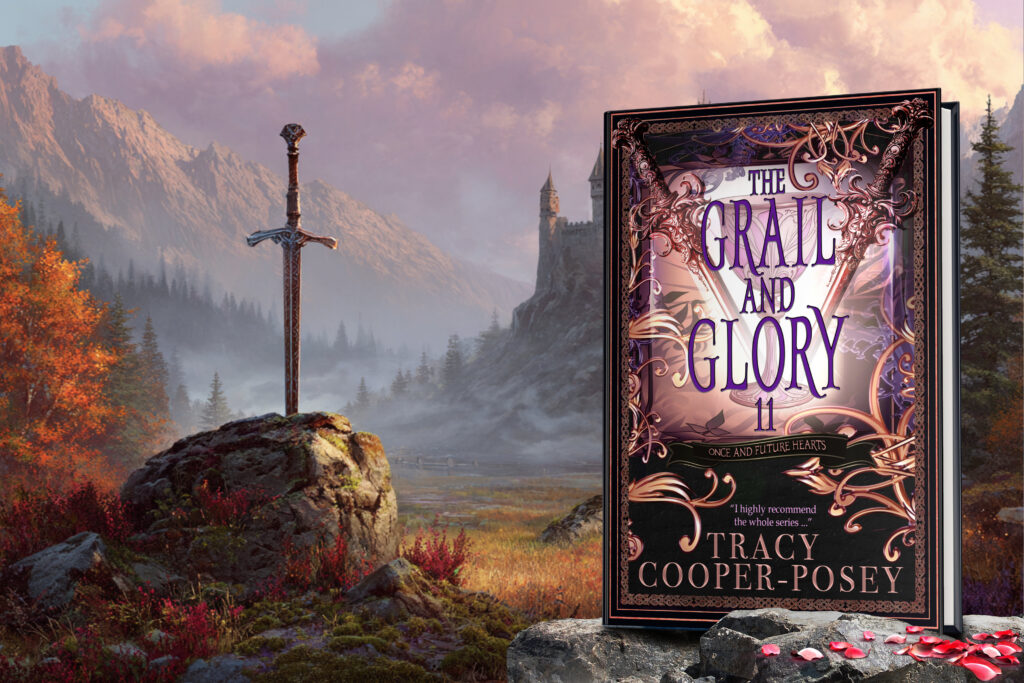
Today, SRP author Tracy Cooper-Posey has released the second book in her paranormal women’s fiction series, Witchtown Crossing.
Sometimes, a setting sneaks up on you. It’s not the glittering castle or the misty forest that sparks the story,
So, I’ve been in a bit of a spiral lately. You know how it goes. You start off with “What happens if the economy tanks?” and four hours later, you’re elbow-deep in a John Michael Greer blog post about catabolic collapse and wondering if it’s time to start hoarding seeds.
I haven’t posted here in a couple of weeks, and there’s a good reason for that. Actually, there are several.
So, Worldcon 2025 is making headlines, but not the kind you’d put on the back of a Hugo-winning novel. The organizing committee decided to use ChatGPT to help vet over 1,300 panelist submissions. They intended to streamline the flood of applications, maybe catch a few red flags, keep things moving.
Except it’s not going well.
SRP author Cameron Cooper today released a new alternative history, near future SF novella, Quiet Like Fire.