author business

Readers Can Feel the Difference

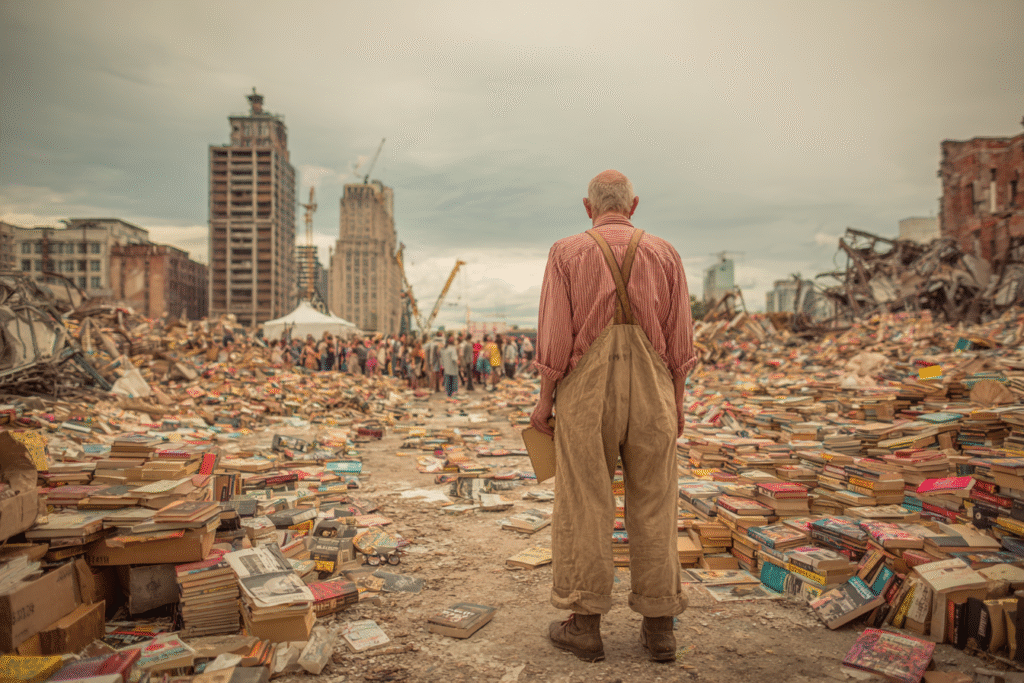
Readers are becoming more selective—and that may be very good news for skilled storytellers. In a marketplace flooded with rushed and disposable content, craftsmanship matters more than ever. Readers aren’t just consuming words. They’re investing trust. And trust is earned one sentence, one scene, and one book at a time.

We’re Building Something Better for Readers

Stories Rule Press is becoming more than just a storefront. We’re building a true home base for readers—one where we can offer bundles, special editions, early releases, and a more personal connection to the stories you love. Here’s why we’re shifting our focus toward direct sales and creating a better experience for readers.

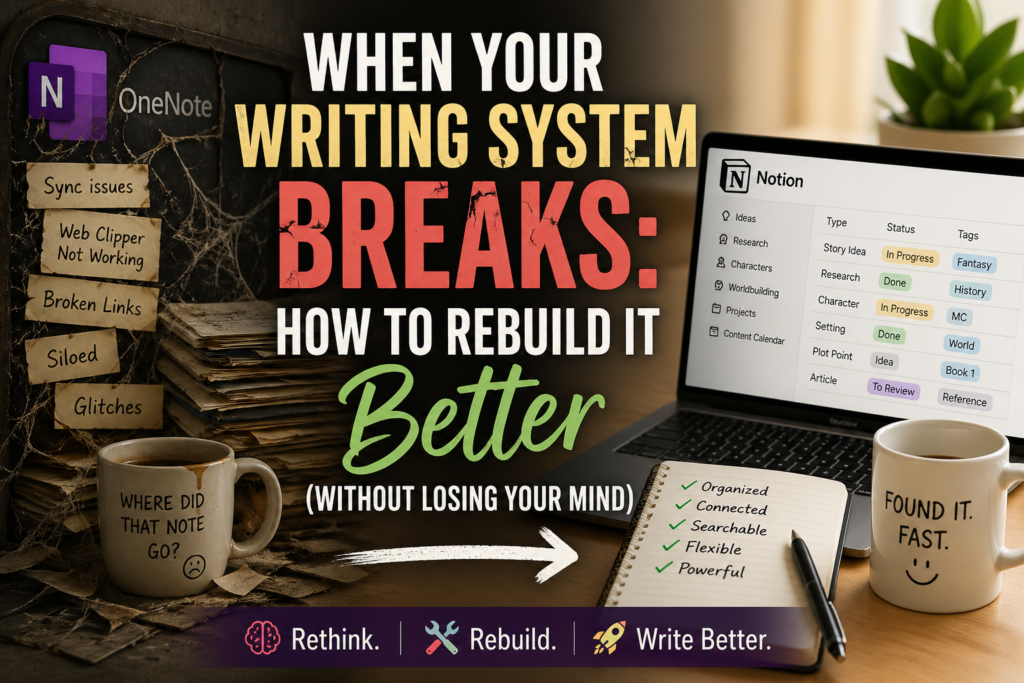
When Your Writing System Breaks: How to Rebuild It Better (Without Losing Your Mind)

Your writing system probably won’t fail all at once—it’ll decay, one small glitch at a time, until the tool you rely on starts slowing you down instead of supporting you. When that happens, the real solution isn’t finding a replacement that works the same way—it’s rethinking how your system works entirely. Here’s what OneNote’s decline taught me about rebuilding a writing workflow that’s faster, more flexible, and far more resilient.

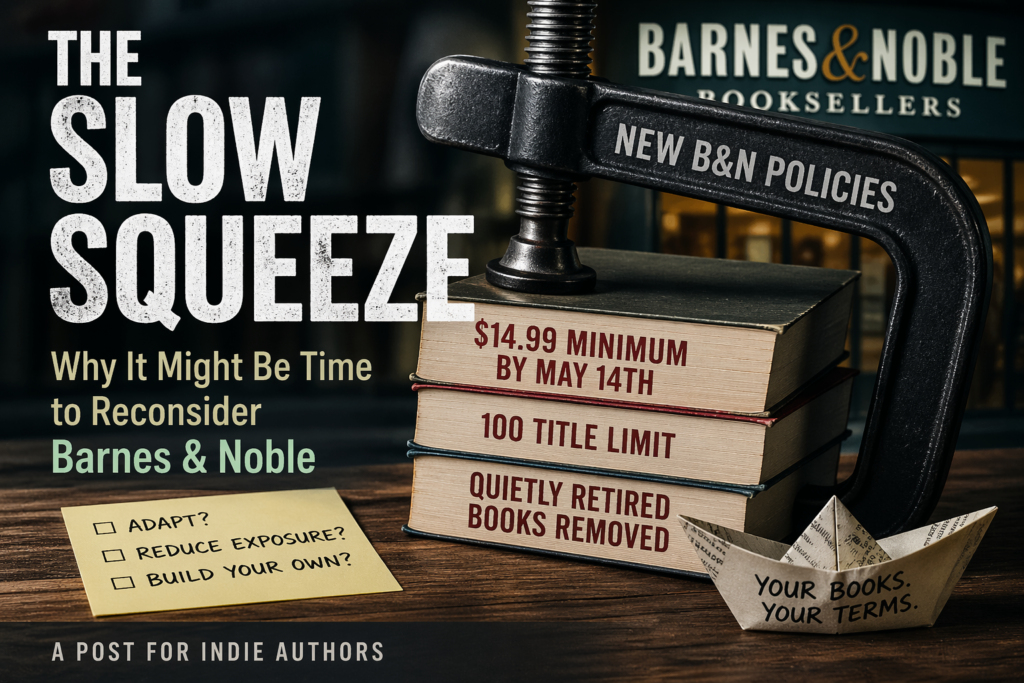
The Slow Squeeze: Why It Might Be Time to Reconsider Barnes & Noble

Barnes & Noble didn’t send a warning shot—they sent a deadline. Raise your paperback prices to $14.99 by May 14th, or your books are gone. For indie authors working in short fiction or maintaining deep backlists, that’s not a tweak. It’s a hard stop. And it’s only the latest move in a pattern that’s quietly reshaping who—and what—belongs on the platform. The question isn’t whether these changes are fair. It’s whether your publishing strategy can survive them.

Your Editor Isn’t Waiting—And That’s a Good Thing

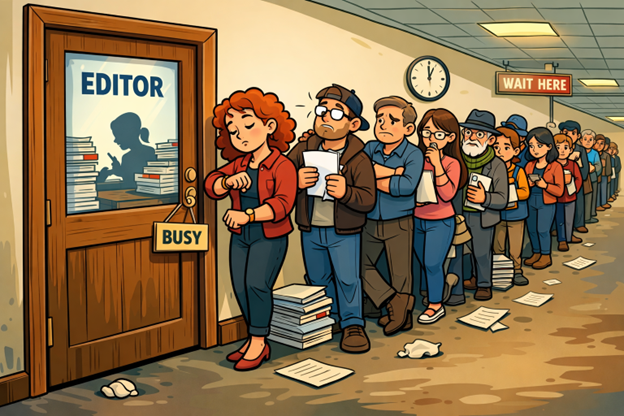
If you’re waiting until your manuscript is finished before thinking about editing, you’re already behind. Editors don’t work on demand—they book weeks or months in advance to give every project the attention it deserves. The writers who stay on track? They treat editing as part of their production pipeline, not the final step.

Trad vs Indie in 2026, Part III

Most authors aren’t confused about how traditional and indie publishing work. They’re confused because they’re emotionally attached to what they want those systems to be. In 2026, choosing between trad, indie, or anything resembling “hybrid” isn’t about legitimacy or dreams of a writing career. It’s about understanding which system you’re willing to depend on — corporations behaving well, or yourself. This is the part nobody says out loud.

Trad vs Indie in 2026, Part II

If Part I was the brutal, unsentimental comparison of trad vs indie — advantages, disadvantages, and the cold math of each — then Part II shifts gears completely. Part II dives into what modern indie publishing actually looks like in 2026, because most writers still imagine the 2013 version: KU gold rushes, cheap ads, write-to-market hamster wheels, and algorithmic rituals. That world is gone. Today’s indie career is a full business model built on direct sales, diversified income, long-tail backlist revenue, platform resilience, and storytelling that can’t be replicated by AI. If you don’t understand this version of indie, you can’t choose your publishing path intelligently — and Part II lays it out without sentimentality, delusion, or nostalgia.

Trad vs Indie in 2026

Traditional publishing and indie publishing aren’t just two different business models — they’re two different belief systems. Trad authors think they’re building a career as an artist. Indie authors know they’re running a business. In 2026, that mindset divide matters more than ever. With AI flooding the marketplace, platforms deep in enshittification, bookstores shrinking, and rights tied up tighter than a banker’s fist, the only way to make good choices is to understand exactly how each system really works — not how you wish it worked. This is the brutal, unsentimental guide to both paths.

When Writing Isn’t Enough: The Harsh New Reality of Indie Income

In the early days of indie publishing, simply hitting “publish” could bring in income. Now? Discoverability is a battle, the market is saturated, and writing fiction full-time is a dream that more and more authors are having to compromise. This post digs into why multiple income streams aren’t a failure—they’re the new normal—and how indie authors can adapt without giving up.

“If Amazon Collapsed Tomorrow…”

What if Amazon collapsed tomorrow? Thousands of exclusive authors would lose their income overnight, and Kindle Unlimited readers would find their go-to content gone. In this speculative thought experiment, I explore how such a collapse would reshape the indie publishing landscape—for authors, readers, and the future of storytelling.

Shopping Basket
Scroll to Top